

You’ve made a salad—tasty, rich, healthy and in a large batch so there’s some left for later. But how do you store it so it stays fresh, crisp and appetizing, rather than wilted and watery?
To keep vegetables fresh and safe to eat, proper refrigeration is key. Vegetable salads can last in the fridge for up to four days, but first and foremost, make sure the vegetables are completely dry before storing them—any moisture can cause them to spoil quickly.
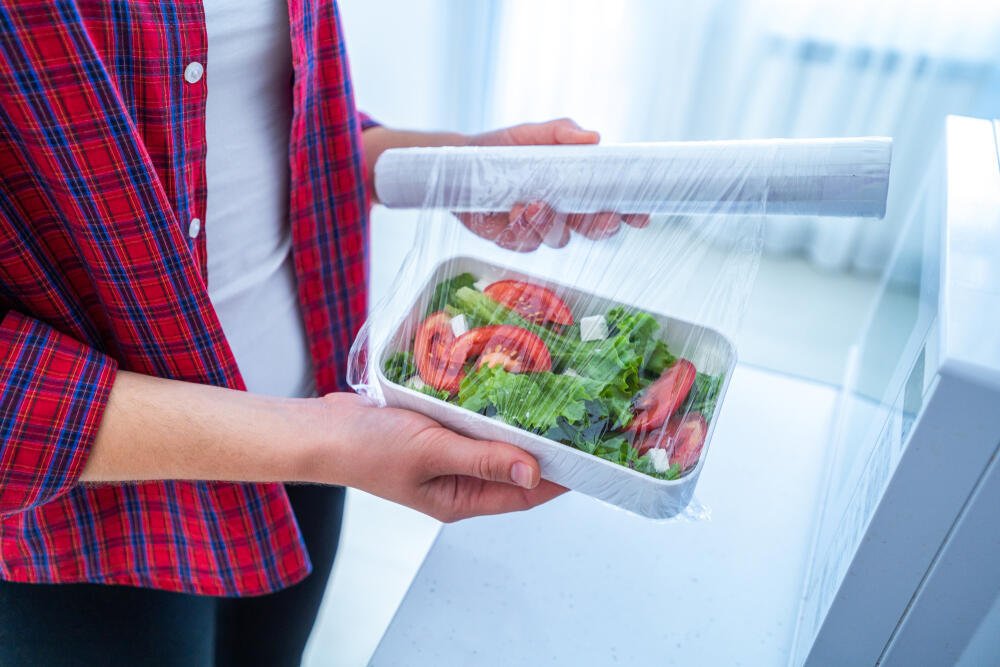
While fresh salad is always preferable, with its higher vitamin content, it’s better to prep a salad in advance and include it in your meal than to skip vegetables entirely. Research shows that eating vegetables helps prevent disease and promotes better health in a variety of areas, including cancer, diabetes, gout, lowering blood lipids, improving digestion, reducing blood pressure and supporting weight loss.
Fresh vegetables also contain a high percentage of water. For example, a medium tomato, a large cucumber and a medium bell pepper each contain about half a cup of water.

(Photo: Shutterstock)
Here’s how to keep your vegetables fresh in the fridge:
1. Slice, don’t dice: Hard vegetables like carrots, cucumbers, radishes, fennel, kohlrabi and bell peppers should be washed and thoroughly dried, then sliced into large pieces—not chopped. Smaller cuts spoil faster and also speed up the breakdown of vitamin C. The smaller the piece, the faster the nutrient loss.
2. Don’t cut high-moisture vegetables: A chopped tomato will lose its texture and release juices that ruin the rest of the salad. Instead, use whole cherry tomatoes that have been washed and dried.
(Photo: Shutterstock)
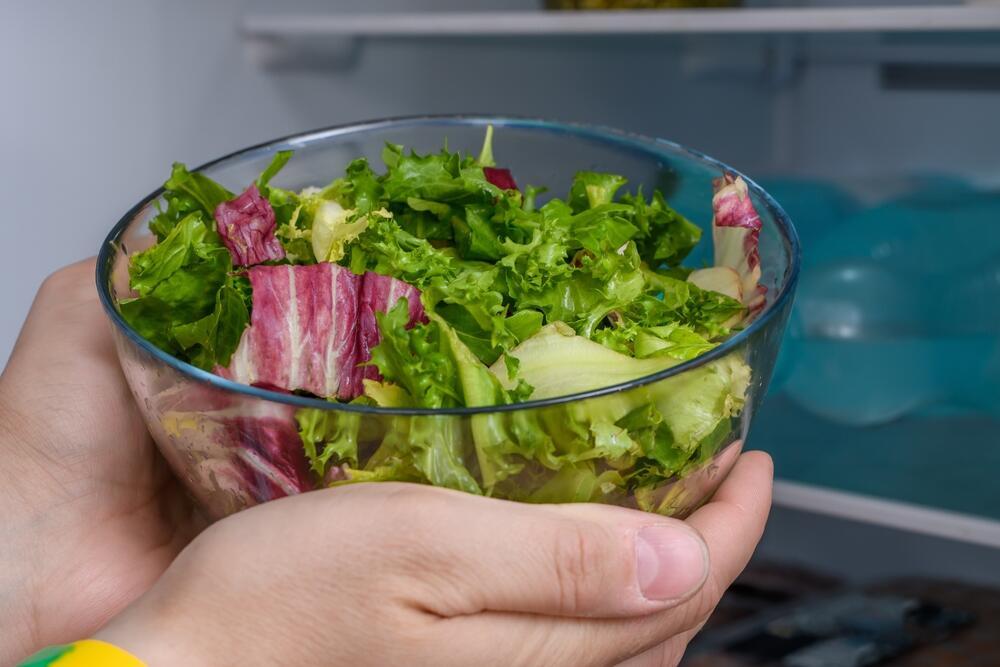
3. Keep leafy greens whole: Leaves like lettuce, spinach and cabbage should be kept whole after washing and drying. Avoid chopping them to prevent wilting and bruising.
4. Avoid chopping herbs: Fresh herbs such as parsley, basil and oregano should also be stored whole after washing and drying.
 Meital LevyPhoto: Nisso Shalev Leibovich
5. Don’t add dressing: If you plan to store salad, don’t season it—not with salt, lemon juice or any other dressing. Any added moisture will compromise the salad. You can, however, prepare a dressing separately and add it just before serving.
6. Add protein: For a more filling and nutritious salad, consider adding cooked beans, chickpeas, lentils or tofu. They’re high in protein and fiber.
- The writer is a clinical dietitian at Leumit Health Services.