

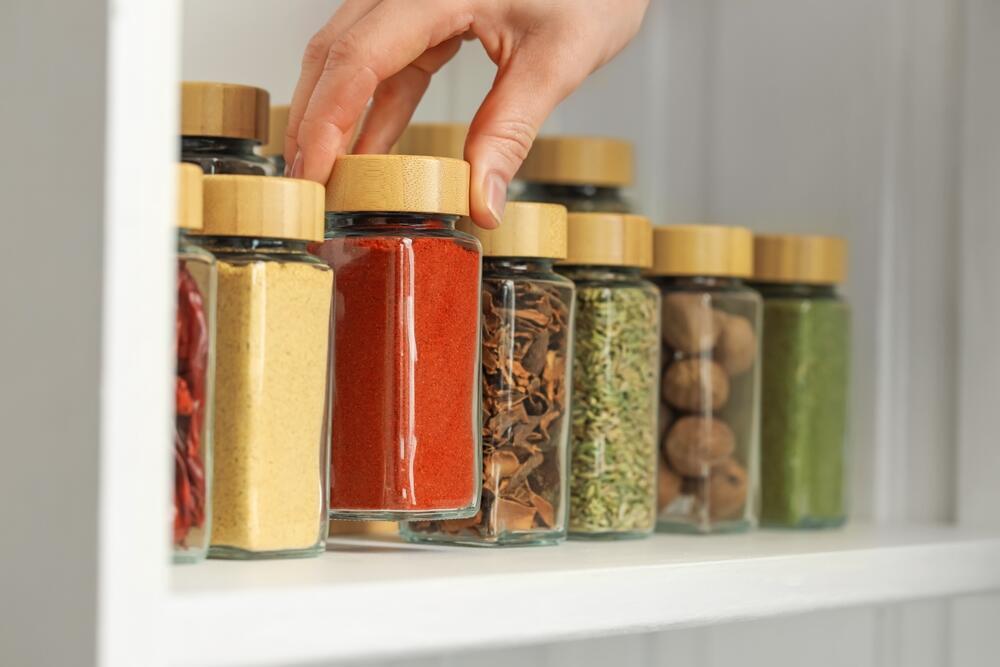
Our spice cabinet sometimes looks like a miniature pharmacy. Garlic is good for the heart, cinnamon is supposed to balance blood sugar and cloves are said to have disinfectant properties. In some cases, these claims have a fairly solid scientific basis. In others, much of the enthusiasm comes from laboratory studies alone. And there is another important distinction: A teaspoon of spice used in cooking is not necessarily equivalent to the amount of active ingredient given to participants in clinical studies.
So which spices have actually passed the scientific test, and what should we know before turning them into home remedies?
Garlic: Mainly for blood pressure and heart health
What the research says: Garlic is one of the most extensively studied spices on this list. An analysis combining the results of several studies and controlled trials involving people with high blood pressure found that garlic preparations helped lower blood pressure. Another large review, covering 108 studies, found modest effects on total cholesterol and other cardiovascular health indicators.
Recommended amount: One or two cloves a day is a reasonable amount to incorporate regularly into your diet. However, it is important to remember that many studies used garlic extracts or powders in controlled doses, so there is no guarantee that eating a single clove will produce the same effect.
Tip: Don't rush to toss garlic into the pan immediately after crushing it. Chopping or crushing garlic triggers a process that produces allicin, one of its key active compounds. Waiting about five minutes before cooking allows more allicin to form.
Keep in mind: Normal dietary amounts are suitable for most people. Before taking concentrated garlic supplements, it is important to consult a health care professional, particularly if you take medications that affect blood clotting or are preparing for surgery.
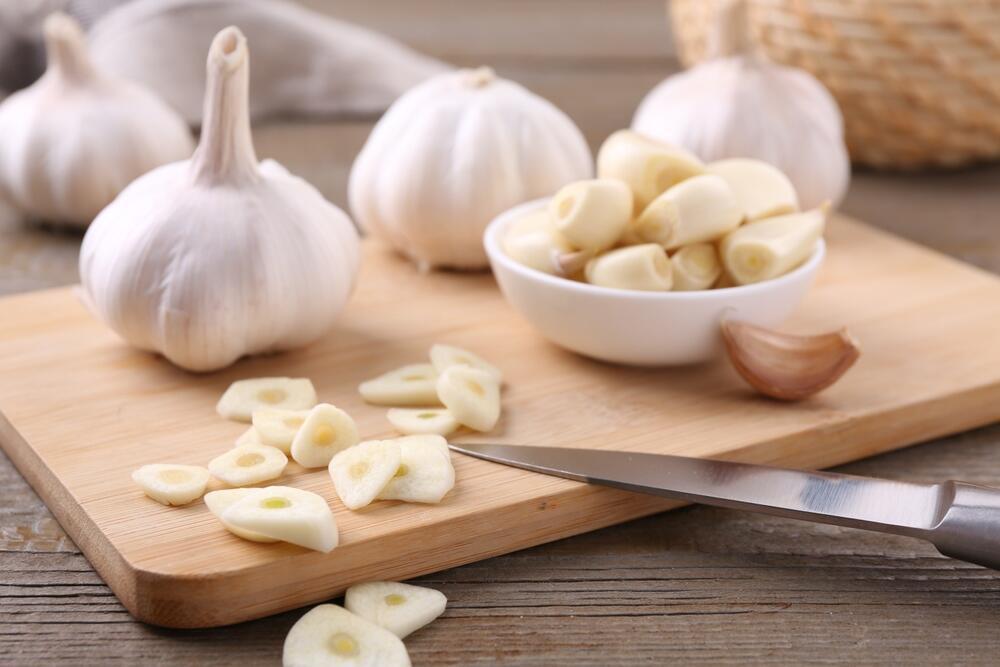
Garlic: Helps lower blood pressure
(Photo: Shutterstock/New Africa)
Ginger: Yes, especially against nausea
What the research says: Although ginger is credited with a wide range of health benefits, the strongest evidence supports its effectiveness against nausea and vomiting, particularly during pregnancy. There is also some evidence that it can relieve menstrual pain, but the evidence for treating pain associated with degenerative joint conditions is less convincing.
Recommended amount: You can use a few slices of fresh ginger root each day or a small amount of ground ginger. Studies on nausea generally used supplements at specific doses, meaning a cup of tea with a slice of ginger does not necessarily provide a therapeutic dose.
How to use it: Add fresh ginger to tea and stir-fries, grate it into soups or use it as a ground spice.
Keep in mind: High doses can cause heartburn, abdominal discomfort or diarrhea. During pregnancy or when taking regular medications, it is advisable to consult a health care professional before using concentrated supplements.
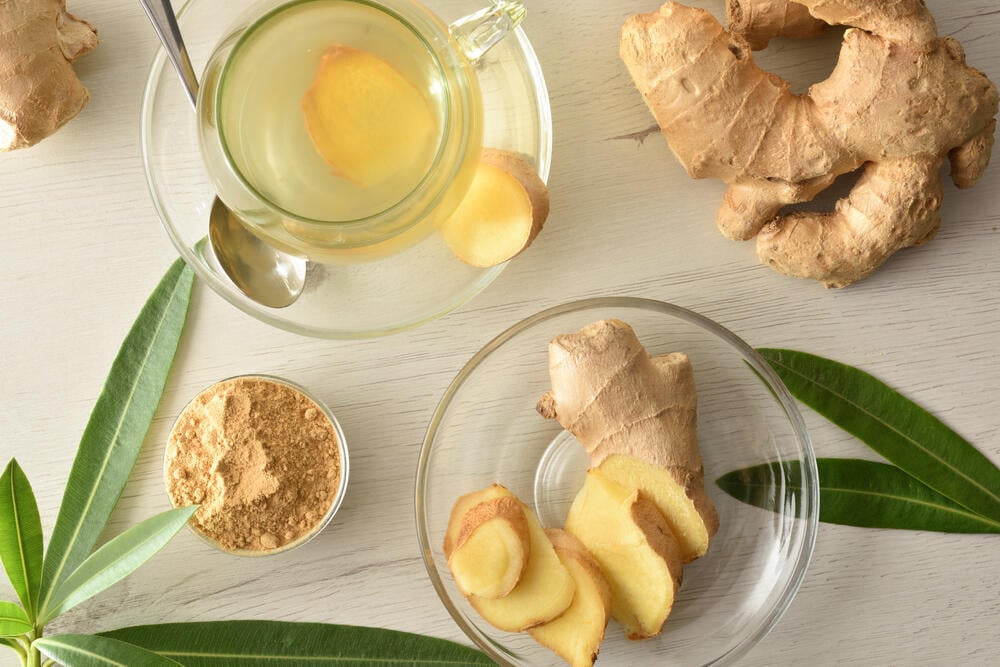
Ginger: Add it to your tea
(Photo: Shutterstock/Davizro Photography)
Turmeric: Anti-inflammatory, but with a caveat
What the research says: The most extensively studied component of turmeric is curcumin. A review of 11 studies found that curcumin supplements may reduce pain and improve physical function and stiffness in people suffering from degenerative joint changes and associated pain.
But there is an important caveat: Most studies do not examine the effects of adding a teaspoon of turmeric to a cooked dish. Instead, they use preparations containing specific, concentrated amounts of curcuminoids.
Recommended amount: About half a teaspoon to one teaspoon a day is a practical way to incorporate turmeric into your diet, but this is not a medical dose.
How to use it: Add turmeric to soups, vegetables, legumes, rice and omelets. Combining it with dietary fat may help because curcumin is fat-soluble. Piperine, an active compound found in black pepper, can significantly increase curcumin's bioavailability.
Keep in mind: Curcumin supplements contain much higher concentrations than those obtained through ordinary culinary use. At these doses, interactions with certain medications may occur. Anyone taking regular medication or living with an underlying medical condition should consult a physician before taking a supplement.
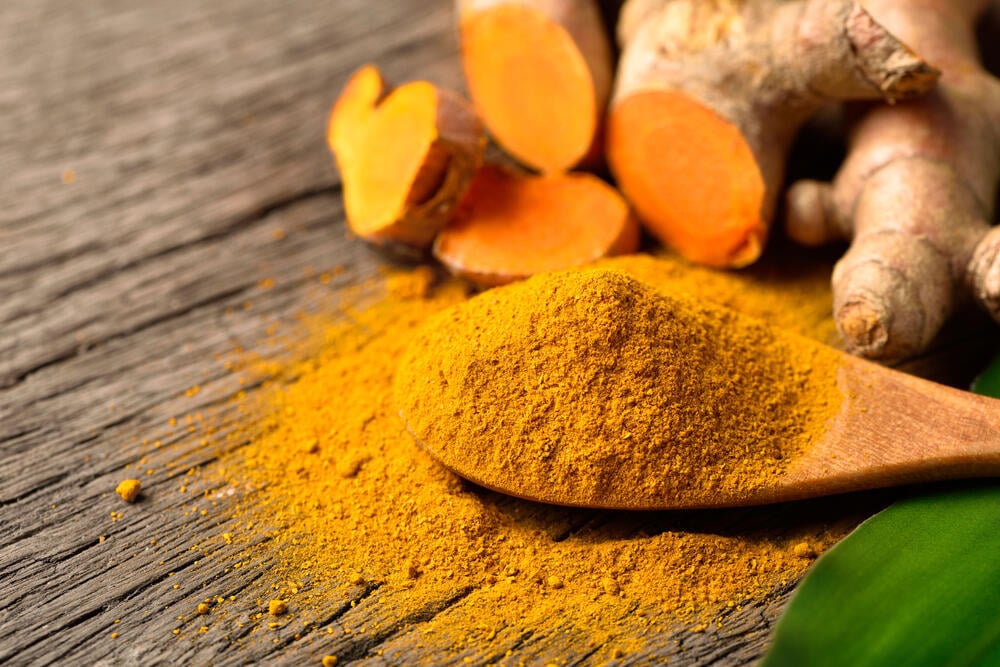
Turmeric: Half a teaspoon a day
(Photo: Shutterstock/Photoongraphy)
Cinnamon: Particularly promising for blood sugar control
What the research says: An analysis of 24 randomized studies involving people with Type 2 diabetes found that cinnamon supplements improved fasting blood sugar, post-meal blood sugar and HbA1c, a measure of average blood sugar levels over the preceding two to three months. However, earlier studies produced less consistent findings, and results vary depending on the type of cinnamon, dosage and populations studied.
Recommended amount: About half a teaspoon a day is a convenient culinary amount, but research has not established an agreed-upon dose for blood sugar management.
How to use it: Add cinnamon to yogurt, oatmeal, fruit, coffee and baked goods. Cinnamon can also create a perception of sweetness, helping reduce the need for added sugar.
Keep in mind: If consuming large amounts of cinnamon daily over an extended period, it is important to pay attention to the variety. Cassia cinnamon contains more coumarin, a compound that can damage the liver in high amounts. Ceylon cinnamon generally contains much less coumarin.
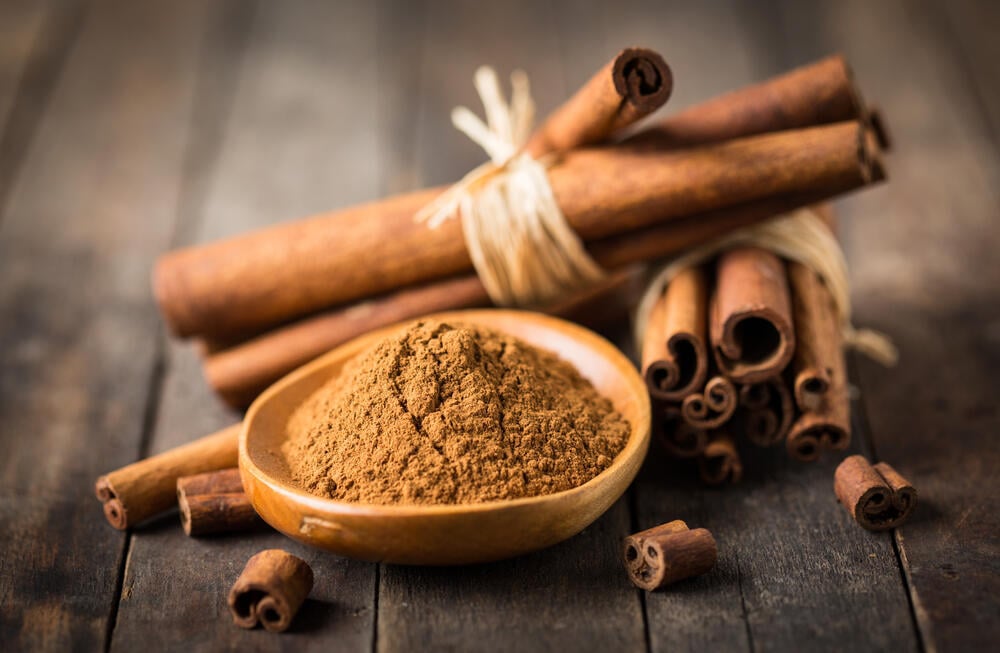
Cinnamon: Not all varieties are the same
(Photo: Shutterstock/pilipphoto)
Saffron: The surprising spice linked to mood
What the research says: A study published in 2026 that analyzed 34 studies involving 1,769 participants found improvements in certain self-reported measures of depression and anxiety. However, no statistically significant effect was found in some measures assessed by health care professionals, and the certainty of the evidence was rated as moderate.
Recommended amount: Clinical studies generally use preparations with measured doses rather than a few strands of saffron added to rice. Therefore, the amount typically used in food cannot be considered an antidepressant dose.
How to use it: Soak a few saffron threads in warm water and add them to rice, soups and stews.
Keep in mind: Saffron supplements are not a substitute for treatment of depression or anxiety, and high doses should not be taken without appropriate medical advice.
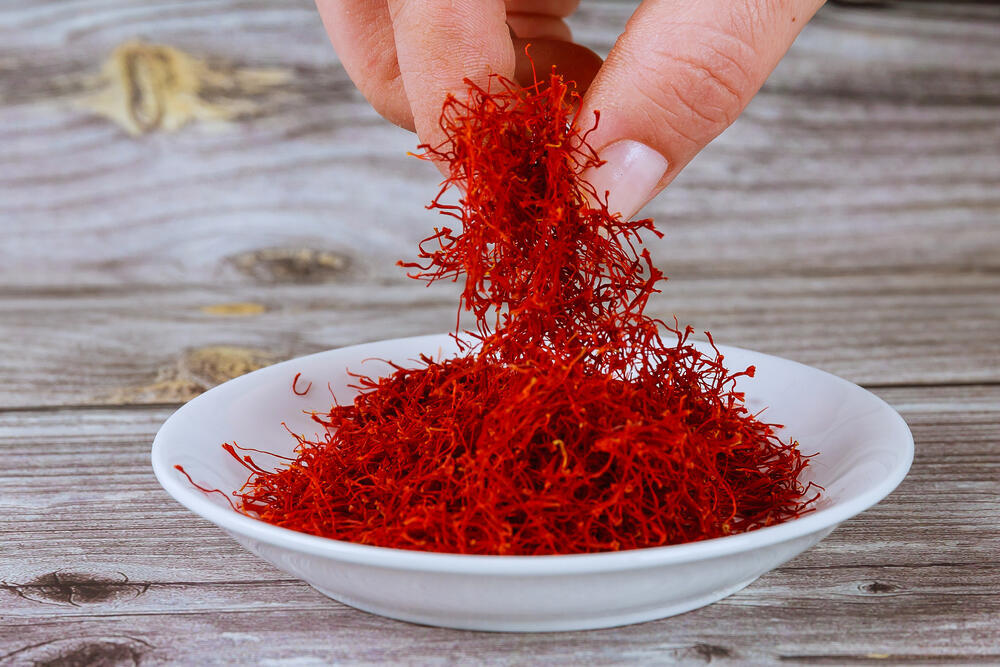
Saffron: Linked to improved mood
(Photo: Shutterstock/ZhakYaroslav)
Fenugreek: Promising for blood sugar management
What the research says: An analysis of 26 trials found improvements in fasting blood sugar, post-meal blood sugar and HbA1c, although researchers emphasize the need for higher-quality studies.
Fenugreek is also believed to stimulate breast milk production, but scientific evidence supporting this claim remains limited. Some studies suggest a possible effect, but their quality ranges from low to moderate, meaning there is currently no strong scientific evidence of its effectiveness.
In addition, when fenugreek is consumed as a spice, the amount is generally much smaller than the doses tested in studies, making a significant effect unlikely.
Recommended amount: A teaspoon of ground or soaked fenugreek seeds can be incorporated into food, but studies have sometimes used substantially larger amounts. It would therefore be incorrect to consider a teaspoon of fenugreek a treatment for diabetes.
How to use it: Fenugreek seeds can be used as a spice in stews, soups and salads.
Keep in mind: People taking blood sugar-lowering medications should be particularly careful with concentrated supplements.
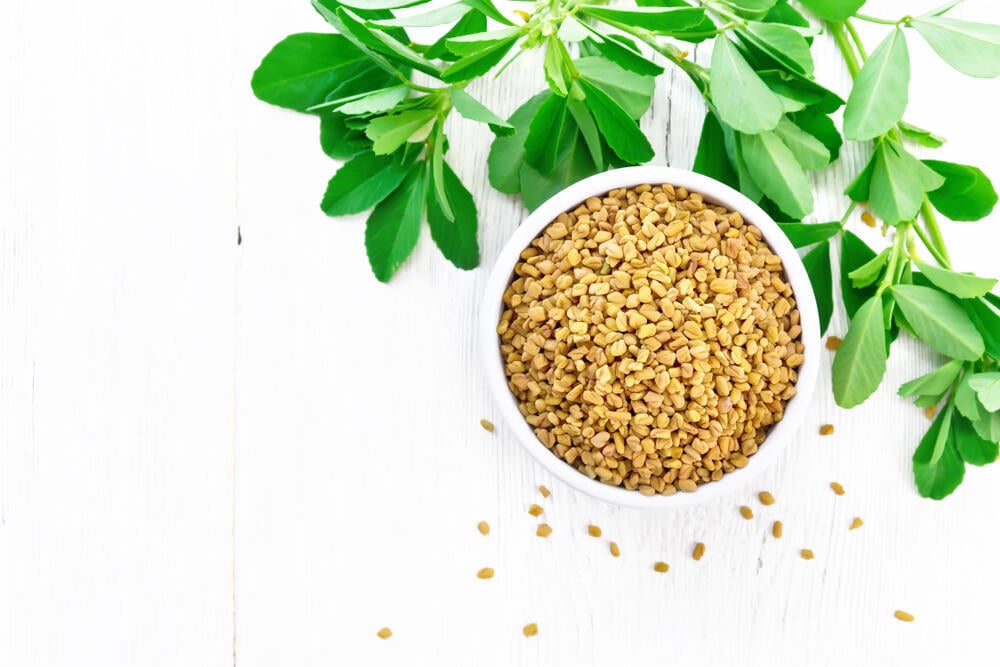
Fenugreek: Does it increase breast milk production?
(Photo: shutterstock)
Black cumin: A strong reputation, but not yet a medicine
What the research says: Black cumin (Nigella sativa), also known as black seed or kalonji, has attracted considerable scientific interest, primarily because of its active compound thymoquinone.
Clinical studies suggest potential improvements in blood sugar, blood pressure and blood lipid levels. However, the findings are inconsistent, and most studies have examined black cumin extracts or oil at specific doses rather than the small amounts typically sprinkled on food.
It is therefore still too early to consider black cumin a treatment for chronic diseases.
Recommended amount: About half a teaspoon to one teaspoon of black cumin seeds a day is a reasonable culinary amount to incorporate into your diet. However, this does not mean that such an amount is equivalent to the doses tested in clinical studies.
How to use it: Sprinkle the seeds over salads, cheeses, bread and baked goods, or add them to cooked dishes. Their flavor is slightly pungent and bitter, so it is best to start with a small amount.
Keep in mind: People taking medications to lower blood sugar or blood pressure, or other regular medications, should not assume black cumin is "just a spice" when using supplements or concentrated oil. In such cases, consulting a physician or pharmacist is advisable.
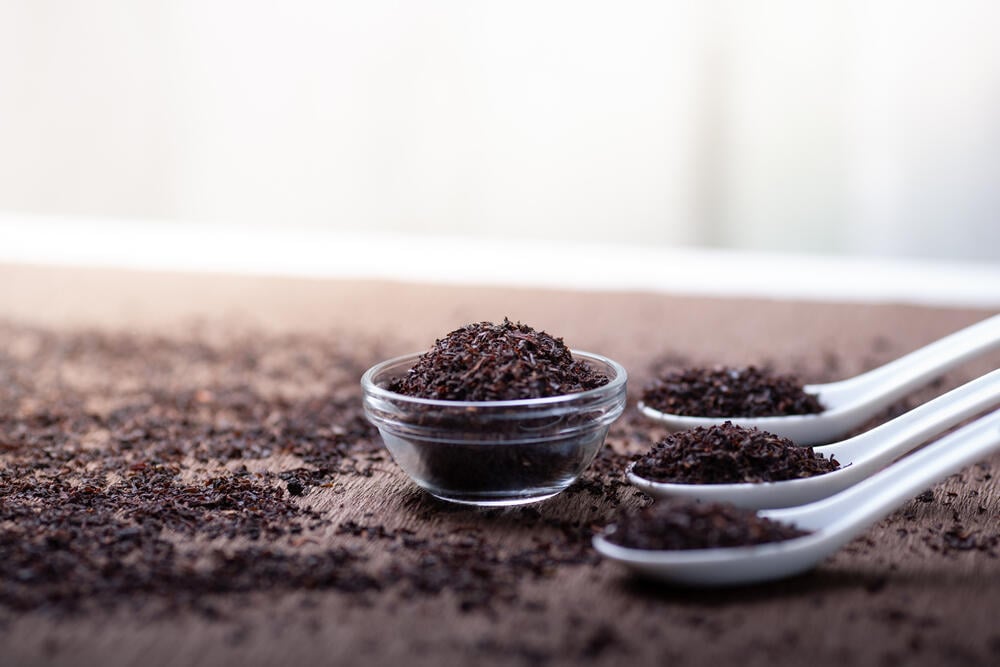
Black cumin: Moderation is important
(Photo: Shutterstock/pilipphoto)
So what should you really keep in your spice cabinet?
Perhaps the most important takeaway is that there is no need to choose a single "super spice." Using several different spices every day can provide a wide variety of plant compounds.
But there is also a simpler benefit: Spices make healthy foods taste better and can help reduce the use of salt, sugar and high-calorie sauces.
The author is a healthy lifestyle researcher with a doctorate in gerontology.