

Anyone who enjoys dining out knows how tricky it can be to stay on track with a healthy diet. But with a bit of preparation and smart choices, it’s possible to enjoy restaurant meals without blowing your calorie budget.
We eat with our eyes
Restaurant portions are often significantly larger than what we’d serve ourselves at home—sometimes by as much as 60% more calories. A single stir-fry dish can contain between 1,000 and 1,200 calories, despite being full of vegetables. Even an innocent-looking salad can hide 1,000 calories, thanks to rich dressings and indulgent toppings.
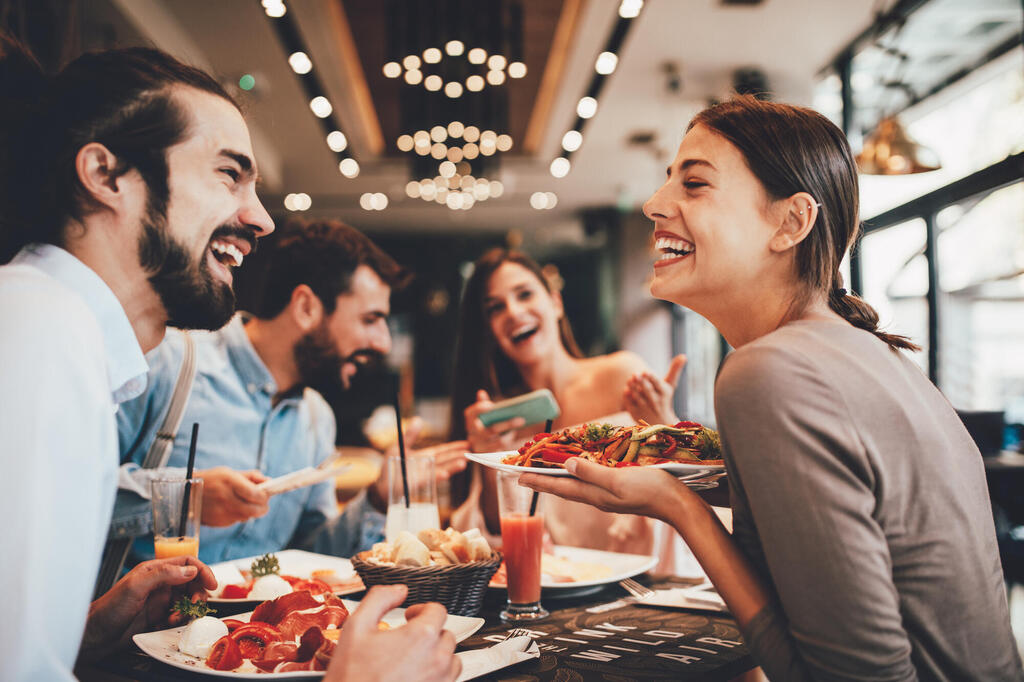
The problem? When we eat out, we often stop listening to our body’s hunger and fullness cues and eat based on what we see, cleaning our plate simply because the food is there, not because we’re hungry.
Oversized plates and rich ingredients (extra oil, sugar and salt) compound the issue. But it is possible to find a balance.
Two essential tips for smarter eating at restaurants
1. Leave the last bite on the plate
One of the hardest things for many people is to stop eating when there’s still food on the plate. This habit often traces back to childhood, being told to "finish everything on your plate." Others feel compelled to keep eating just because the plate isn’t empty, even if they’re already full.

(Photo: Narin Nonthamand/Shutterstock)
Why is this a problem? It teaches us to eat based on visual cues, not internal signals. In restaurants, where plates tend to be oversized, this disconnect can override the body's natural ability to self-regulate, leading to overeating and weight gain.
The solution? Practice. Start with one meal a day where you intentionally leave the last bite on your plate, even if it makes no real caloric difference. Train yourself to resist the urge to clean the plate, especially when dining out.
The goal is to normalize stopping when you're full, regardless of how much food is left. Restaurant portions are usually much larger than we need, so this habit helps you eat the right amount for your body, not the amount the restaurant decided to serve.
2. Find the fullness point in every dish
Because restaurant dishes tend to be oversized, it's important to eat what you need, not everything on the plate.

(Photo: Shutterstock)
How? Create a "fullness checkpoint" when the plate arrives. Mentally divide the dish into thirds, eat two-thirds at your normal pace. Then pause.
Take a breath. Drink some water. Ask yourself: Am I still hungry?
If yes, continue eating. If no, stop. You can ask for a takeaway box or have the plate cleared to avoid further snacking.
This technique can also be practiced at family dinners, holidays, and other large meals. It’s not easy to stop eating with food still in front of you—especially if you paid good money for it—but it’s essential in a culture where dining out is so common.
- Yael Dror is a clinical dietitian and M.Sc. physiologist