

At an age when most children are busy playing, Ran Granot, now 30, was already learning to inject insulin. He was 5½ when he was diagnosed with type 1 diabetes, after several weeks of symptoms his parents did not recognize at the time. “Vomiting, excessive thirst and frequent urination. I would get up five or six times a night to drink. All the things that seem like classic signs of diabetes today weren’t obvious back then,” he told ynet and Yedioth Ahronoth.
The diagnosis came only after his condition deteriorated and he was rushed to Wolfson Medical Center with diabetic ketoacidosis, a life-threatening condition. “It was a feeling of helplessness. You didn’t understand exactly what was happening, but you knew your life was going to change and that you were no longer in control, even when it came to basic things like eating or leaving the house.”
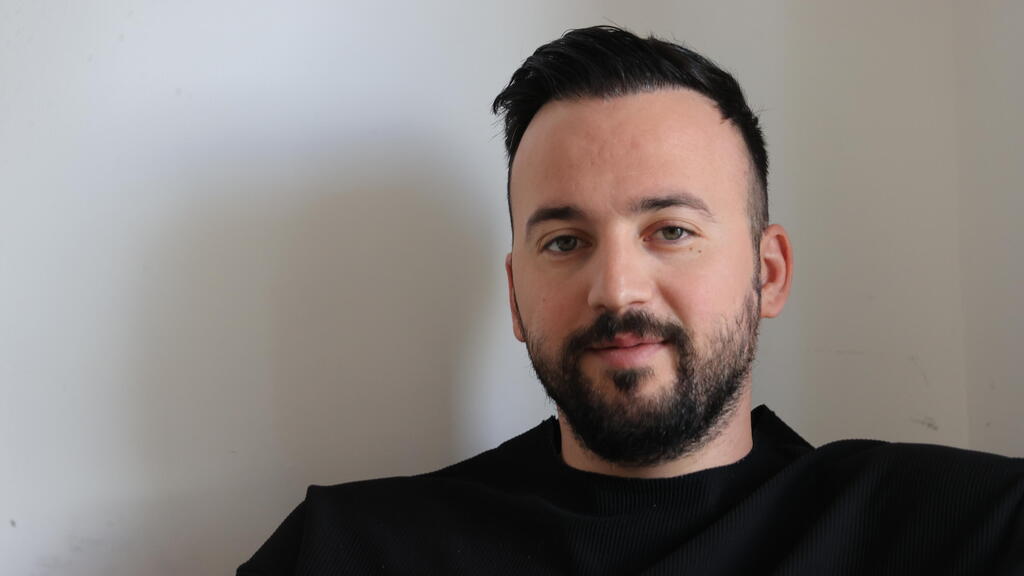
Granot managed to maintain an active childhood. “‘Complicated’ is the perfect word to describe living with it. At school, I didn’t feel it made things harder for me socially, and I even knew how to use the disease to my advantage. I would find myself sitting in the teachers’ lounge, drinking tea with lots of sugar,” he said with a smile.
“On the other hand, I’ve been playing basketball since I was 6, and that’s very complicated when you rely on insulin. Suddenly your blood sugar is high and you don’t play as well, or you suddenly have a ‘hypo’ (hypoglycemia, or abnormally low blood sugar) and have to step off the court and have a sugary drink. You can wake up feeling fine and be screaming into your pillow that same evening, ‘Why do I have this disease? Why me?’”
His determination to live a full life with diabetes also guided him at 18. “I’m the son of a reserve lieutenant colonel who served in the military for 30 years, so to me, enlisting and contributing to the country meant everything.” After an exhausting process of obtaining approvals, he was cleared to enlist and served three years in various roles, including a combat support role with Sayeret Matkal. “The diabetes wasn’t a problem, except during long periods in the field. A few times I had to get my parents to come up north or down south to bring me insulin because mine had spoiled.”
Everyone else eats while he waits
Today, Granot is married, has two children and is a co-founder of a cybersecurity startup. One of the hardest challenges, he says, is the loss of spontaneity. “As a child, I would sit in a restaurant with friends and watch everyone eat while I had to wait because my blood sugar was high. The spontaneity disappears, and those are frustrating moments.”
In recent years, he has volunteered with the Type 1 Diabetes Association and serves as president of its summer camp for children. “I first went to the camp when I was 10, and it was a moment that changed my life. Suddenly I realized there were other people with diabetes in the world.”
According to a report by the Health Ministry’s National Center for Disease Control, whose findings are being published for the first time by ynet, Granot is one of 708,553 people ages 2 and older living with diabetes in Israel as of 2024, representing 7.5% of the population.
Prevalence rises sharply with age: just 1.3% among people ages 18-44, 12.4% among those ages 45-64, 33.4%, or one in three, among those ages 65-84, and 35.3% among those 85 and older. The rate is slightly higher among men, at 7.9%, than among women, at 7.2%.
Higher than Europe, lower than the US
In an international comparison, diabetes prevalence among Israelis ages 20-79 stood at 10.1% in 2024. That was higher than the European average of 8%, as well as the rates in Australia, at 7.4%, and Canada, at 7.7%, but lower than in China, at 11.9%, the United States, at 13.7%, and neighboring Egypt, at 22.4%.
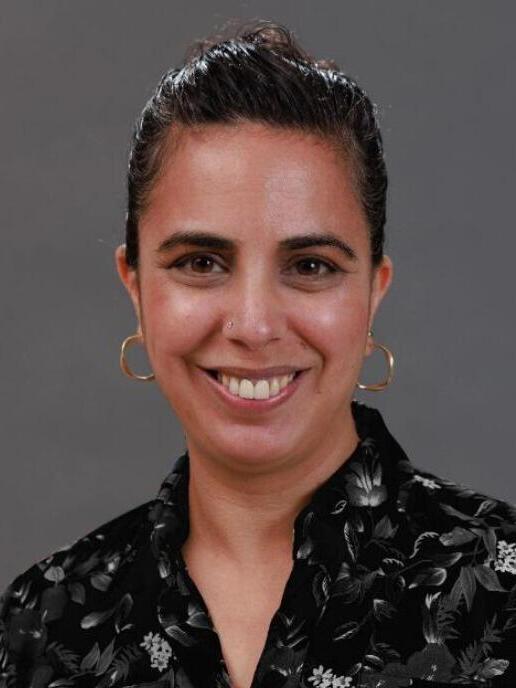 Dr. Moran Blaychfeld-Magnazi Photo: Ronen Topelberg
“Obesity and diabetes are among the world’s most significant health challenges,” said Dr. Moran Blaychfeld-Magnazi, director of the Health Ministry’s Nutrition Division. She linked the rise in disease to changes in the food environment and people’s lifestyles. “Food today is much more readily available and much more processed, and studies show that 50% of calories come from processed food. It is also aggressively marketed and cheaper. At the same time, we lead fast-paced lives, sit more, have less time to cook and face emotional and financial stress.”
A substantial share of disease, particularly type 2 diabetes and obesity, can be prevented, she stressed. “We want to bring real food back to the plate: vegetables, fruit and legumes.” Addressing the problem, she said, requires a combination of changes to the food environment, education about healthy eating and stronger services within the health care system.
One of the report’s most striking findings is the link to socioeconomic status. Among people ages 55-64 in the lower socioeconomic group, diabetes prevalence was 25.7%, more than twice the 11.3% among their peers in the higher socioeconomic group. Among those 75 and older, the figures were 44.6% in the lower group and 34.2% in the higher group.
A more severe picture in Arab communities
There were also disparities between population groups. Among people ages 45-54, diabetes prevalence in the Arab population was 12.7%, more than twice the 6% in the Jewish population. Among those 75 and older, the figures were 52.4% and 38.5%, respectively. In every age group, rates among both non-Bedouin Arabs and Bedouins were higher than among ultra-Orthodox and other Jews.
The report also found that improvements in diabetes control in recent years have been uneven. In 2024, among patients ages 45-54, diabetes was well controlled in 64% of non-ultra-Orthodox Jews and 63.1% of ultra-Orthodox Jews, compared with 55.4% of non-Bedouin Arabs and just 45% of Bedouins. The proportion of patients whose diabetes was not well controlled was also higher in the lower socioeconomic group.
“The disease is more common in the Arab population and among people of low socioeconomic status, and in these groups it is also less well controlled. This poor control is associated with a high rate of complications,” said Prof. Lital Keinan-Boker, director of the National Center for Disease Control. She said targeted intervention programs for at-risk populations must continue to be developed “to reduce the rate of severe complications and the burden of disease on individuals and the public.”
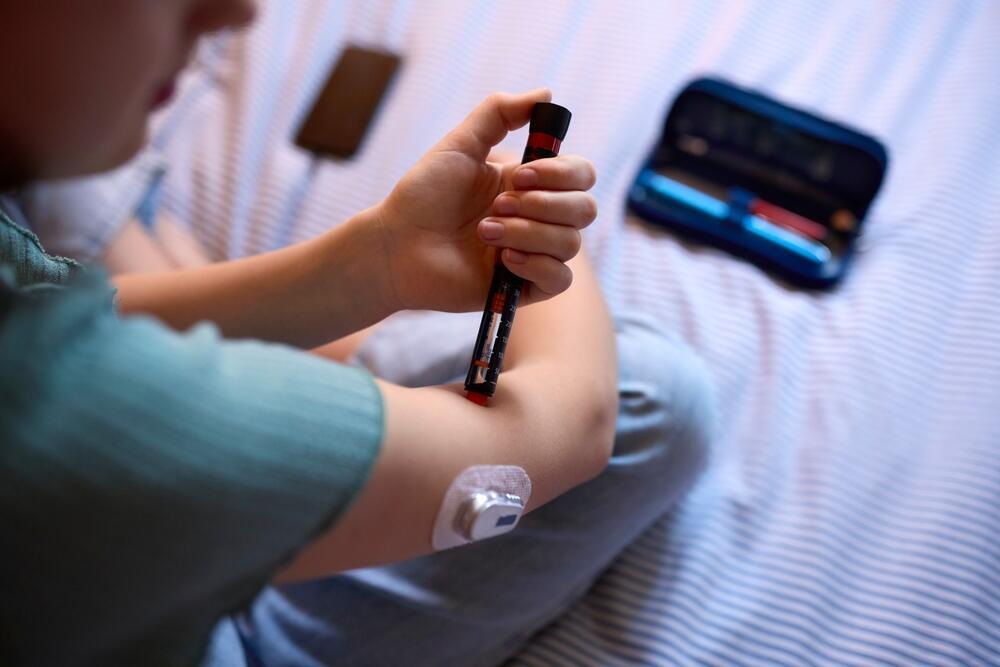
The range of diabetes treatments has expanded in recent years
(Photo: Shutterstock)
According to Blaychfeld-Magnazi, the disparities are linked in part to people’s ability to afford healthy food and their access to nutrition information. In response, obesity clinics have been established in Arab communities, and funding criteria have been published to help health plans develop tailored services. Culturally adapted resources have also been developed, including a telephone-based audio course on nutrition for the ultra-Orthodox community that does not require internet access.
The ministry is also working in settings where people eat every day. “We are currently working with pre-military academies. We established a healthy eating standard for catered lunches and taught cooking and shopping skills, because the participants cook for themselves in the evening. We saw an incredible change,” she said. “We also carried out interventions in ultra-Orthodox yeshivas and saw a change.”
No cure, but it can be controlled
“Diabetes is a disease characterized by high blood sugar levels,” explained Prof. Roy Eldor, director of the Endocrinology Institute at Tel Aviv Medical Center, also known as Ichilov. In type 1 diabetes, formerly known as “juvenile diabetes,” the immune system attacks the cells in the pancreas that produce insulin, the hormone that allows sugar to enter the body’s cells. In type 2 diabetes, which is more common and often associated with excess weight and obesity, the pancreas still produces insulin, but the body’s tissues do not respond to it properly.
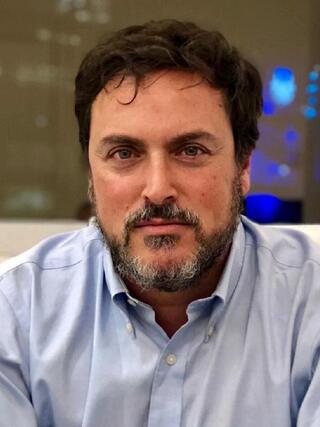 Dr. Roy Eldor Photo: Ichilov Hospital
The danger lies in the damage that accumulates over the years, particularly when the disease is poorly controlled. “Diabetes can accelerate the development of atherosclerosis and damage blood vessels and various organs, including the brain, heart, kidneys, eyes and nervous system,” Eldor said. It also increases the risk of heart attacks, strokes and limb amputations. “Once the disease develops, we don’t know how to cure it, but we can certainly control it. If we manage blood sugar, blood lipid levels and other risk factors, we can delay, prevent or significantly reduce complications.”
Treatment has advanced significantly in recent years. “When it comes to type 2 diabetes, we can now use newer drugs to treat people with prediabetes who have obesity or are overweight, preventing the disease from developing in some of them or delaying it for many years,” he said.
The ‘big guns’ from the outset
Treatment is no longer focused solely on lowering blood sugar, Eldor said, but also on protecting the body’s organs. “Today we’re talking about drugs that truly change the course of the disease. For example, drugs in the SGLT2 inhibitor class, such as Jardiance and Forxiga, can also slow the progression of diabetic kidney disease, independently of lowering blood sugar. Our goal is to diagnose the disease very early and immediately start patients on effective drug therapy, alongside lifestyle changes and physical activity: bring out all the ‘big guns’ from the outset and buy them decades.” In some cases, he added, it is now possible to intervene with newer drugs even before type 1 diabetes develops.
While the Health Ministry emphasizes prevention through nutrition, Eldor stresses another perspective. In his view, the idea that obesity and diabetes result from personal choices or a patient’s “failure” does not reflect the biological complexity of these diseases. “It’s a bit like skin color or height; we don’t have much control over it. A person does not choose whether to develop obesity or diabetes. These diseases arise from a combination of genetic and environmental factors, most of which we still do not understand.”
He said it remains unclear which education programs and community interventions can bring about meaningful change at the population level. Studies examining exercise and dietary changes alone showed a reduced risk of diabetes but no reduction in complications over years of follow-up, he said. Studies combining medication with lifestyle changes, however, succeeded in preventing diabetes and reducing many complications of both diabetes and obesity, he added.
The first wave of a tsunami
Alongside the many drugs for type 2 diabetes and obesity in advanced stages of development, treatments for type 1 diabetes are also being studied that could dramatically change how people live with the disease. One of the most promising approaches is cell therapy: transplanting insulin-producing cells, alongside efforts to develop ways to protect them from the immune system. “The goal is to allow those patients to produce insulin in their bodies and eventually eliminate the need for injections,” Eldor explained.

Lifestyle changes can help prevent diabetes and reduce many of the complications of diabetes and obesity
(Photo: Shutterstock)
But the high cost of new drugs could limit access. Popular medications for obesity, for example, cost hundreds of shekels a month. “The initial prices are a serious barrier. As a doctor treating patients, that hurts,” Eldor said. Still, he added, “There is light at the end of the tunnel. Prices are expected to fall over time. We are in the first wave of a tsunami in obesity treatment, and the first medication for treating obesity and preventing diabetes in adolescents has already been added to Israel’s publicly funded drug basket.”