


Scientists at National Taiwan University say they have found a way to trigger hair stem cells using natural fatty acids found in the skin, successfully regrowing hair in laboratory mice within just 20 days.
The discovery, published this week in Cell Metabolism, could mark a step forward in the long scientific quest to treat baldness, a condition that affects millions of men and women worldwide.
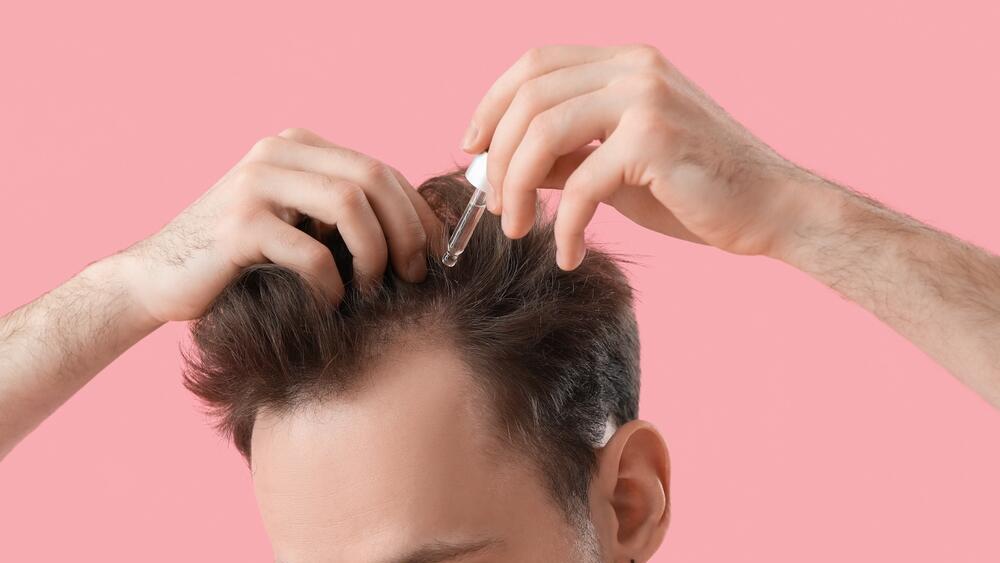
The study found that fat cells beneath the skin can reactivate dormant hair follicles by releasing fatty acids after mild injury to the skin. Researchers observed that when the skin was slightly wounded, these fat cells began breaking down stored lipids, a process called lipolysis, releasing fatty acids that acted as biological signals to awaken hair stem cells and promote new growth.
When scientists blocked the fat breakdown process, hair regrowth stopped entirely. But when they applied the same fatty acids directly to the mice’s skin, hair began to grow again, even without further injury. In one experiment, visible regrowth appeared after only 20 days of daily topical treatment.
The findings also suggest that controlled inflammation following mild skin injury, a process already used in some clinical hair-loss treatments, plays a key role in reactivating hair follicles.
While the results are promising, researchers emphasized that the work is still in its early stages and has not yet been tested in humans. It remains unclear exactly how hair stem cells and their surrounding tissues detect injury and trigger regeneration.

(Photo: Shutterstock)
Because the fatty acids used in the experiments are naturally occurring and considered safe, scientists say they could one day form the basis of a practical, noninvasive therapy for hair loss.
'A stem cell is essentially a biological wild card'
Dr. Brendan Camp, a New York-based board-certified dermatologist, told Fox News that he considers these findings "notable" amid "intense interest" in research on hair-loss treatments.
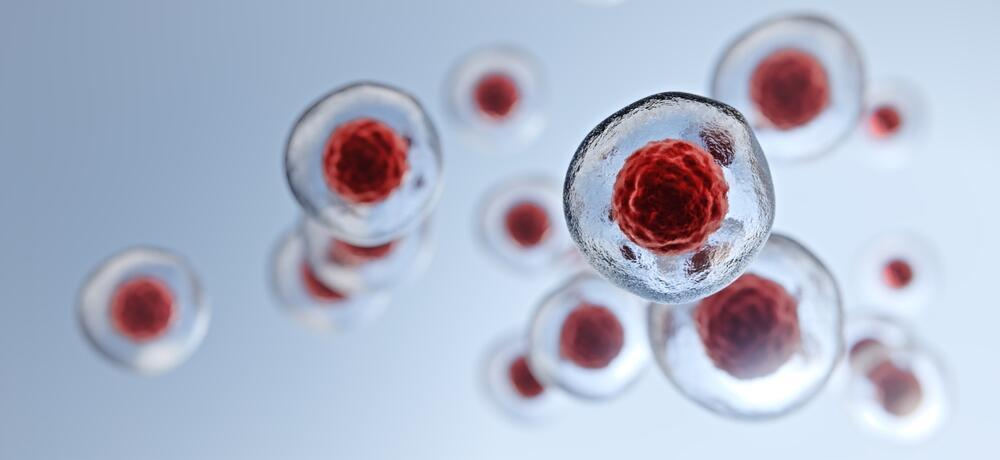
Stem cells
(Illustration: Shutterstock)
“But they are very preliminary, and because the experiments were not performed on human scalp skin, the results may not be applicable to people,” Camp said. He added that larger studies are needed to evaluate the approach as a possible treatment for androgenetic alopecia, the most common form of hair loss in men and women.
Until then, Camp advised those experiencing hair loss to rely on currently available and “well-studied" treatments and to seek evaluation and guidance from a certified dermatologist.
 Dr. Yaron ZenatyPhoto: Courtesy
In Israel, dermatologist Dr. Yaron Zenaty of Clalit Health Services in Eilat said the study underscores the growing scientific interest in stem cells and tissue regeneration. Stem cells, he explained, “have the unique ability to differentiate into any type of cell in the body,” and their surrounding cellular environment plays a key role in directing this transformation.
“The challenge lies in harvesting, maintaining and guiding these cells into the desired tissue,” Zenaty said. “A stem cell is essentially a biological wild card; it can become any cell depending on its surroundings. That’s what makes it so fascinating and promising.”
 Dr. Marina Landau
Dr. Marina Landau, a dermatologist with Maccabi Health Services, cautioned that the mechanisms of hair loss in humans differ significantly from those in shaved mice. “There are existing laboratory mouse models that better mimic human baldness, and those are typically used to test new treatments,” she said. “In this case, the researchers chose not to use such a model, which limits the applicability of the findings to humans.”
Landau also noted a 2025 clinical study in Japan that tested a serum containing lipoic acid to prevent chemotherapy-induced hair loss in colon cancer patients. The results showed significantly reduced hair loss among those treated with the serum, suggesting that fatty-acid-based treatments may hold therapeutic potential for humans.