


A teaspoon of sugar in coffee, a diet drink with lunch, a chocolate protein snack, honey in tea or date syrup over yogurt: almost everyone likes something sweet. In today’s health climate, sugar is widely seen as an enemy and many try to find suitable substitutes, ranging from supposedly healthy natural sweeteners to zero-calorie artificial ones. But are these alternatives really better for us? Is brown sugar healthier than white sugar? Are honey and date syrup better choices? And what about sweeteners during pregnancy, for children or for people with diabetes? With the help of clinical dietitian Shirley Malka from Assuta Medical Center, we tried to bring clarity to one of the most confusing topics in modern nutrition.
To understand why it is so hard for us to give up sweetness, we need to start from the basics: the craving for it is not just habit, but biology.
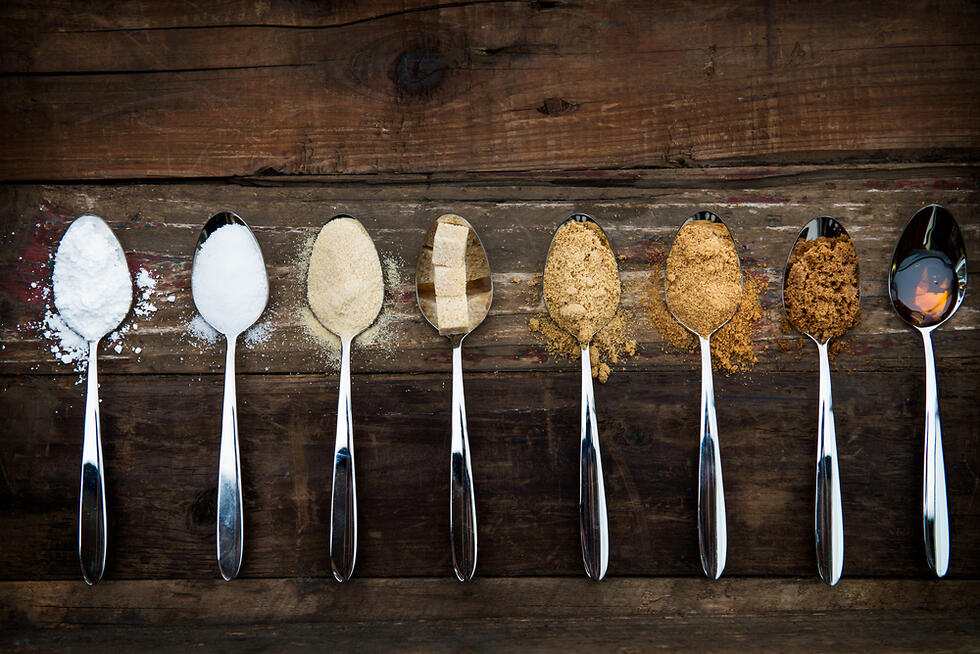
“We are drawn to sweetness from birth,” Malka explains. “There are mechanisms in the brain linked to reward and pleasure that trigger the release of dopamine, a neurotransmitter involved in feelings of reward. It makes it very easy for us to get used to it, want more of it and feel more of that dopamine response.”
According to her, in the modern world this natural attraction is constantly reinforced. Sweet foods, snacks and sugary drinks are available everywhere and heavily marketed. “We are constantly surrounded by sweetness, so we keep wanting more and more.”

Shirley Malka
(Photo: Personal album)
But Malka stresses that this does not mean all sweet things are inherently harmful. “Sugar consumption itself is not dangerous. The problem lies more in how we consume it and in the quantities,” she says. “When we eat ultra-processed food daily, dopamine is released from morning until bedtime. That creates a kind of ongoing dependency.”
Is a natural sweetener better than white sugar?
One common mistake, Malka says, is assuming that anything labeled “natural” is automatically healthier or can be consumed freely. Under the “natural sweeteners” category there are very different products. Some contain significant amounts of calories and sugar, while others are nearly calorie-free. What they share is a healthy image that is not always justified.
Start with the basics: white sugar, a household staple in Israel. “White sugar is sucrose, a simple carbohydrate derived from sugar cane,” Malka explains. “Chemically, sucrose is made of two molecules, glucose and fructose. White sugar is absorbed very quickly, causes a rapid spike in blood sugar levels and is followed by a sharp drop due to insulin release from the pancreas. That leads the body to crave more sugar shortly after.”
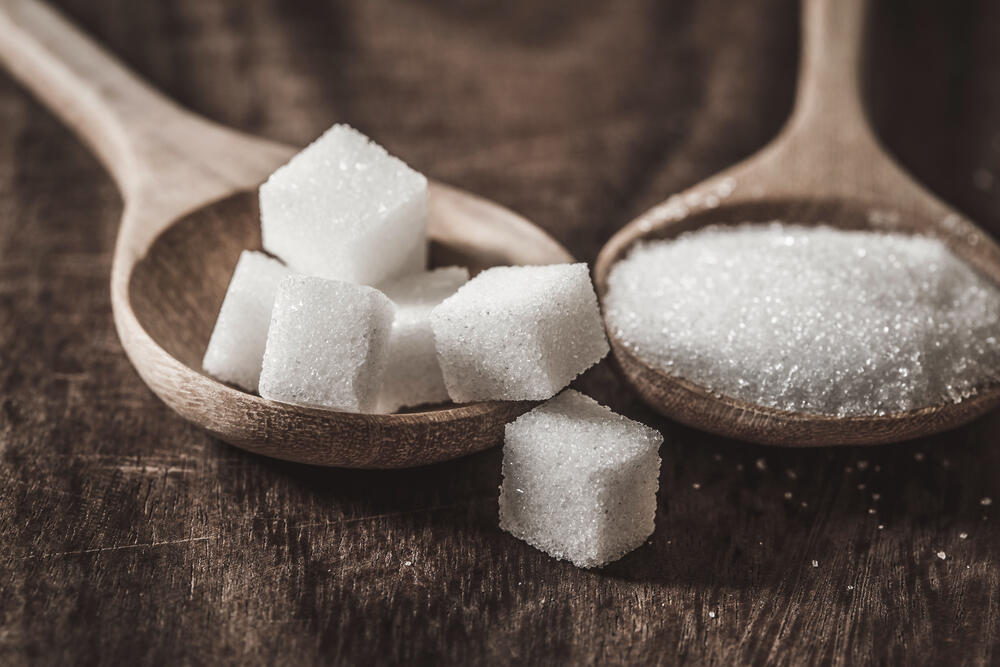
White sugar, a household staple in Israel
(Photo: Shutterstock)
Still, Malka does not speak in terms of strict prohibition but balance. “We want to incorporate it wisely and there are ways to do that,” she says. One approach is to consume sugar alongside ingredients that slow absorption, such as fat or protein. “For example, a wafer with peanut butter. The fat in the peanut butter slows absorption significantly and reduces the urge to consume more sugar.”
And brown sugar, the myth that refuses to die: “Brown sugar is not healthier,” Malka states. “The health difference is minimal to nonexistent. It contains a tiny amount of molasses, which gives it its color. There are very small amounts of minerals, but it is negligible. We are not eating bags of sugar, just a teaspoon or two. There is really no difference. It looks healthier, but it is not. In the end, it is white sugar with color.”
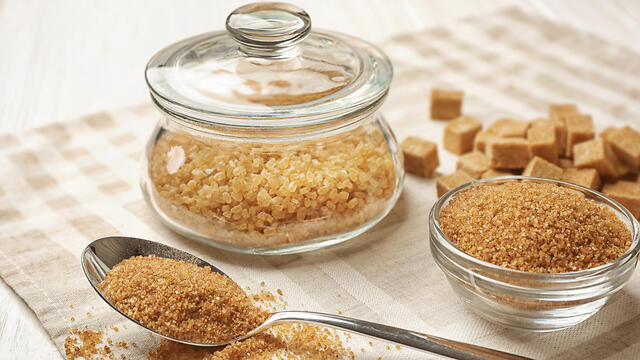
Brown sugar is not healthier
(Photo: Shutterstock)
Honey and date syrup: natural but still sugar
Next come two sweeteners often perceived as healthier: honey and date syrup. Both sound more natural than white sugar, but Malka warns against confusing perception with nutritional reality.
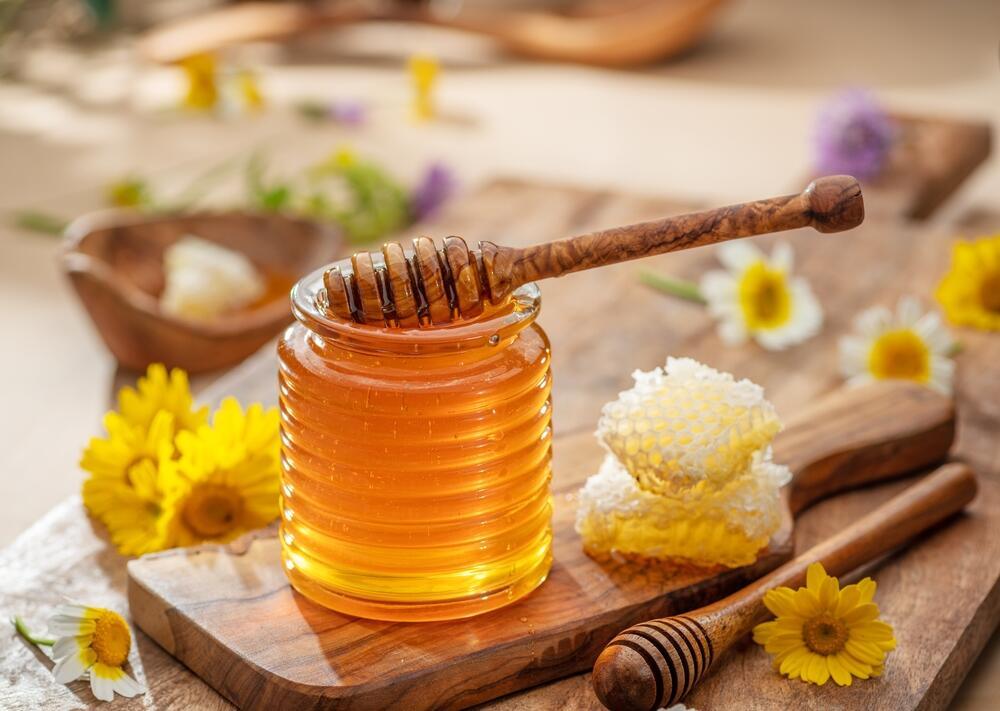
Being natural does not mean they are not calorie-dense
(Photo: shutterstock)
“Date syrup is made from dates and honey is produced by bees from flower nectar,” she explains. “Both are made up of fructose and glucose. Being natural does not mean they are not calorie-dense. Not everything perceived as healthy actually promotes health. On the one hand, they contain small amounts of antioxidants. On the other hand, they are very concentrated sweeteners and the body responds accordingly. They are absorbed quickly and can raise blood sugar rapidly. In addition, because they are perceived as healthier, people tend to consume more of them.”
Stevia, agave and the “natural” sweetener category
Stevia and agave present a more complex picture. Both come from plants and both enjoy a relatively healthy image, but nutritionally they are very different.
“Stevia is extracted from a plant originating in South America,” Malka says. “Unlike sugar, honey or date syrup, it contains almost no calories and does not significantly raise blood sugar, so it is suitable for people with diabetes.”

It has a low glycemic index, so it does not spike blood sugar, but it is high in fructose. Agave syrup
(Photo: Shutterstock)
However, she adds that moderation is still important. “It is natural and research generally supports its use, but it should still be consumed in limited amounts.” She notes ongoing discussion about high intake, including during pregnancy and possible metabolic effects, though research is not conclusive. “There are also studies suggesting it may affect the microbiome.”
Agave is different. “It has a low glycemic index, so it does not spike blood sugar, but it is high in fructose. That makes it less suitable for people with fatty liver or high blood lipid levels.”
Artificial sweeteners: fewer calories, but not a perfect solution
Artificial sweeteners are another confusing category. They are found in diet drinks, sugar-free yogurts, snacks, gum and many products promising sweetness with very few or no calories.
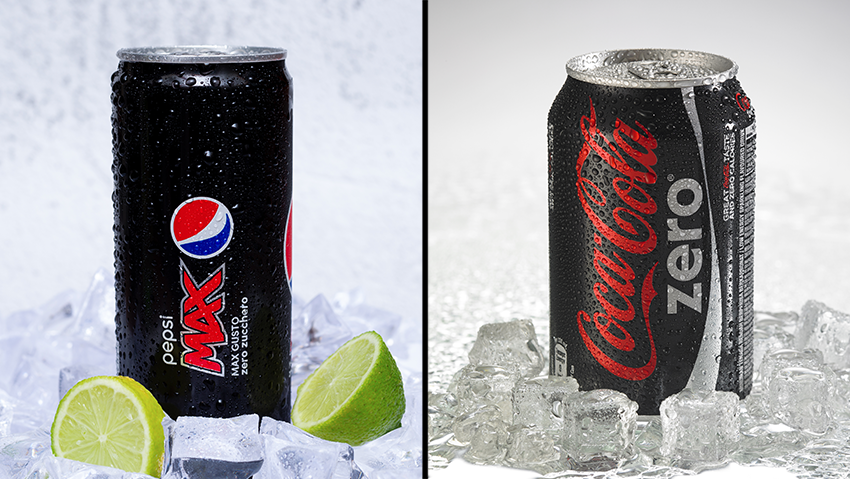
'It does not raise blood sugar and is suitable for people with diabetes'
(Photo: focal point / Shutterstock.com, Vincenzo De Bernardo / Shutterstock.com)
The most common is aspartame, widely used in diet beverages. “It is about 200 times sweeter than sugar, which is important because its taste is very concentrated,” Malka says. “It is not natural and is made from amino acids, the building blocks of proteins. It is approved by the Food and Drug Administration (FDA) and considered safe.”
However, aspartame is also the subject of ongoing scientific and public debate. “There is a lot of discussion about it,” she says. “Some studies show it may affect the microbiome and there are studies discussing a possible link to increased cancer risk, but there is no definitive evidence. It is important to keep things in perspective. We consume it in very small amounts. Nobody is ingesting large quantities of aspartame every day.”
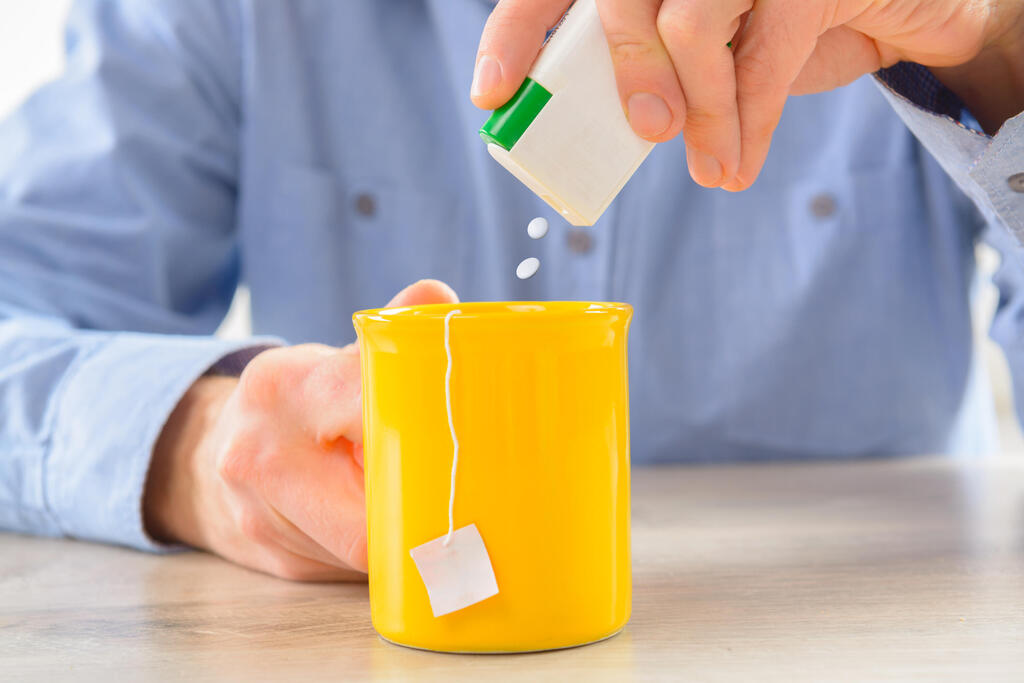
Another common sweetener is sucralose
(Photo: shutterstock)
Another common sweetener is sucralose. “It is also widely used,” Malka says. “Chemically it is a sugar molecule, but the body barely breaks it down or absorbs it. It has no calories and does not raise blood sugar. It is popular because it is heat stable and suitable for baking. Like aspartame, it is considered safe, but recent studies raise questions about effects on gut bacteria and possible increases in hunger.”
A third is erythritol, increasingly found in sugar-free products, protein snacks and gum. Unlike the others, it is considered more “natural” as it is found in fermented foods. “It does not raise blood sugar and is suitable for people with diabetes,” Malka says. The downside is gastrointestinal side effects such as bloating, gas and diarrhea, making it less suitable for people with sensitive digestion.
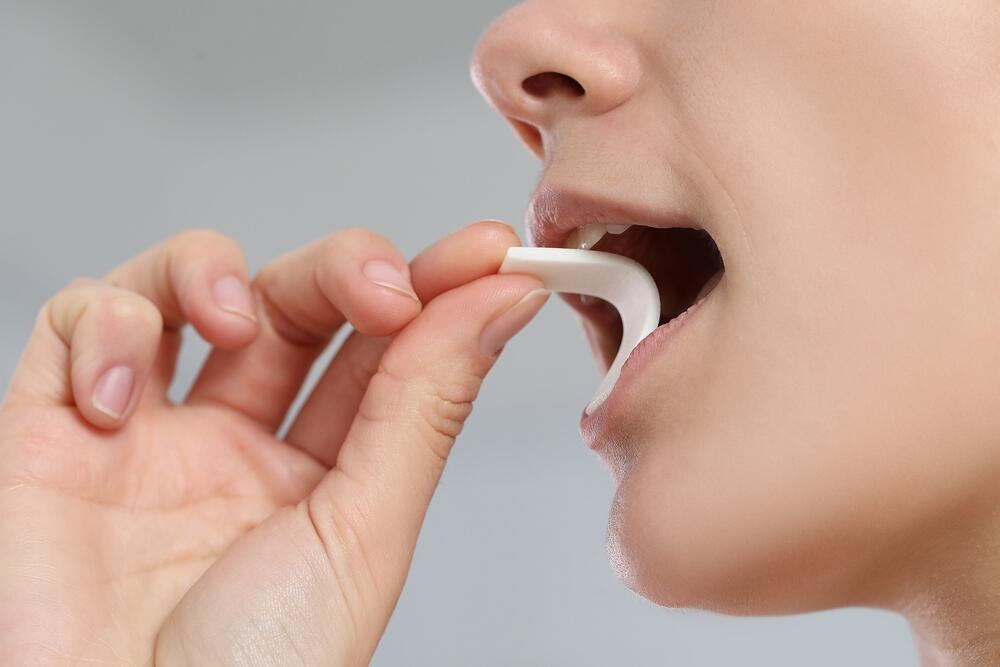
Found in chewing gum. Erythritol
(Photo: Shutterstock)
Pregnancy and children: should they avoid artificial sweeteners?
Another frequent question is whether certain groups should avoid artificial sweeteners altogether.
“In pregnancy, it is not correct to say they are forbidden,” Malka explains. “We tend to be more cautious because there is no long-term research showing harm to the fetus. There is some concern about placental transfer, but no clear evidence of damage. The recommendation is moderation.”

'The recommendation is moderation'
(Photo: shutterstock)
For children, the concern is not direct harm but taste development. “Some sweeteners are much sweeter than sugar, and children can become accustomed to that level of sweetness,” she says.
So what is better: sugar or sweetener?
There is no single answer, Malka says. “It all depends on moderation and how it is used.”
High, consistent sugar consumption is linked to health risks. “There is a connection between daily sugar intake and obesity, metabolic diseases, diabetes and high blood pressure,” she says. But this does not require an extreme all-or-nothing approach.
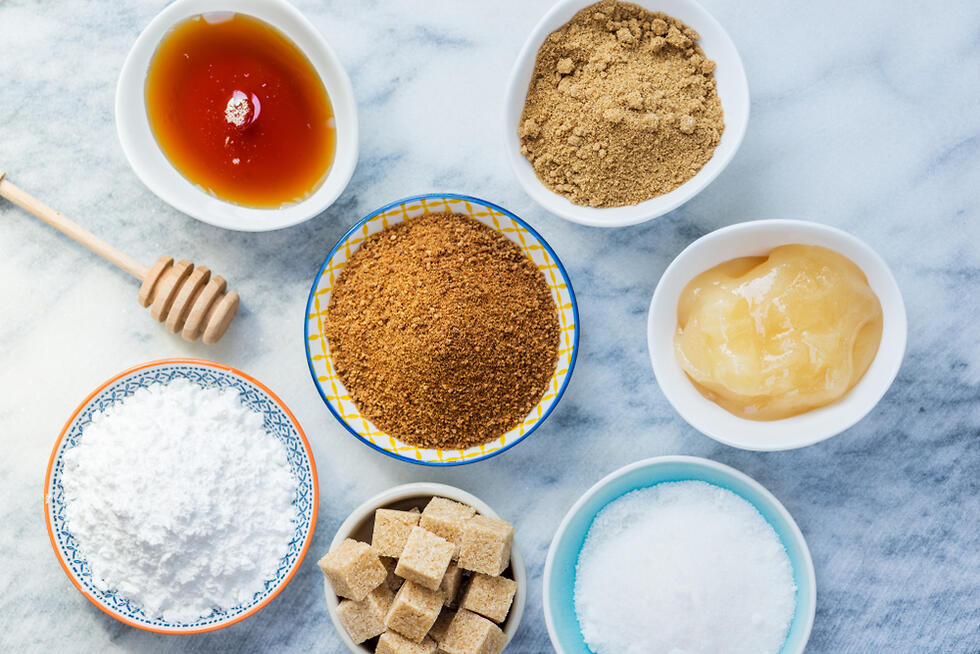
The key point is that sweetness of any kind should remain a controlled and conscious part of the diet
(Photo: Shutterstock)
“What matters is what it replaces in the diet and what habits it reinforces,” she says. “If someone switches from sugary soda to diet soda, that is good. But if they stay at four cans of diet soda a day, that is not ideal. We would prefer they drink water. There is no black and white here.”
The bottom line is not that artificial sweeteners are dangerous or that natural sugar is healthier. The key point is that sweetness of any kind should remain a controlled and conscious part of the diet, not something that drives it. The healthier approach is not necessarily replacing every teaspoon of sugar, but gradually reducing overall sweetness, choosing what truly matters and avoiding the assumption that “sugar-free” or “natural” automatically means unlimited consumption.