


When he was just 11 years old, Hagai Suissa suffered a traumatic brain injury in a car accident that left him fighting for his life. Twenty-six years later, Dr. Suissa, now 37, has come full circle — returning to the operating room, this time as a neurosurgeon at Ziv Medical Center in Safed.
Just a month ago, Suissa completed his residency in neurosurgery at the Galilee Medical Center in Nahariya and began working as a senior physician in Ziv’s newly opened neurosurgery department. For him, the moment marked the culmination of a journey that began in 1999, when he was rushed to surgery after suffering a life-threatening brain hemorrhage.
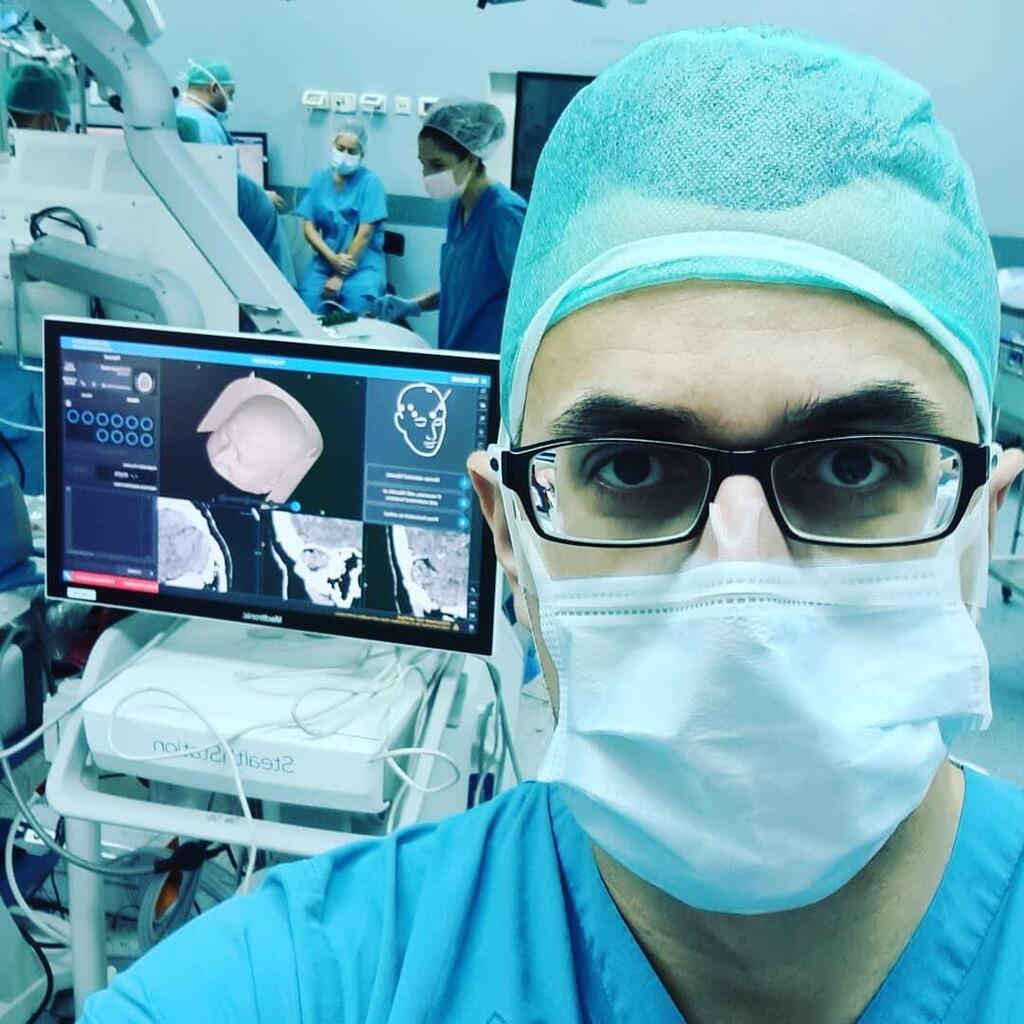
In a poignant twist, Suissa recently reunited with Dr. Zeev Feldman, the surgeon who performed the emergency operation that saved his life and who now serves as chair of the Israel Medical Association.
A childhood accident that changed everything
“In 1999, during Sukkot vacation, I had a serious accident in the moshav where I lived,” Suissa recalled in an interview with Ynet. “We were playing a game. I climbed onto a moving truck carrying agricultural produce, jumped off while it was going about 60 kilometers an hour, and hit my head hard.”
He briefly lost consciousness but then woke up and walked home on his own. “It’s called a lucid interval,” he explained. “With an epidural hemorrhage, you can seem fine for a short while, but the bleeding continues. Without surgery, the person can lose consciousness and die.”
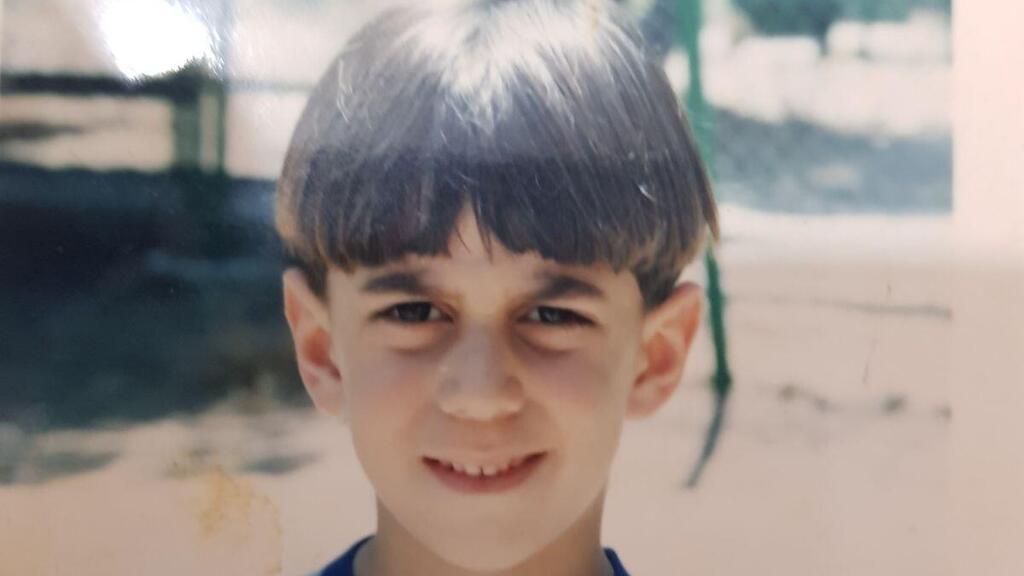
Hagai Suissa when he was a child
Though he initially seemed stable, his mother became alarmed when he vomited several times and decided to take him to Kaplan Medical Center. On the way, his condition worsened. “By the time we got there, I was already starting to drift in and out,” he said. “The doctors realized it was serious and transferred me to Sheba Medical Center.”
That night, Dr. Feldman — who was literally on his way to vacation, suitcase in hand — was called in to operate. “I remember waking up with a big bandage around my head,” Suissa said. “I stayed in the hospital for about three weeks.”
The spark that shaped a future doctor
After returning to have his stitches removed, Suissa met again with the doctors who had treated him — and something clicked. “That was when I realized I wanted to be a doctor,” he said. “I didn’t yet know it would be neurosurgery, but I knew I wanted to help people the way they helped me.”
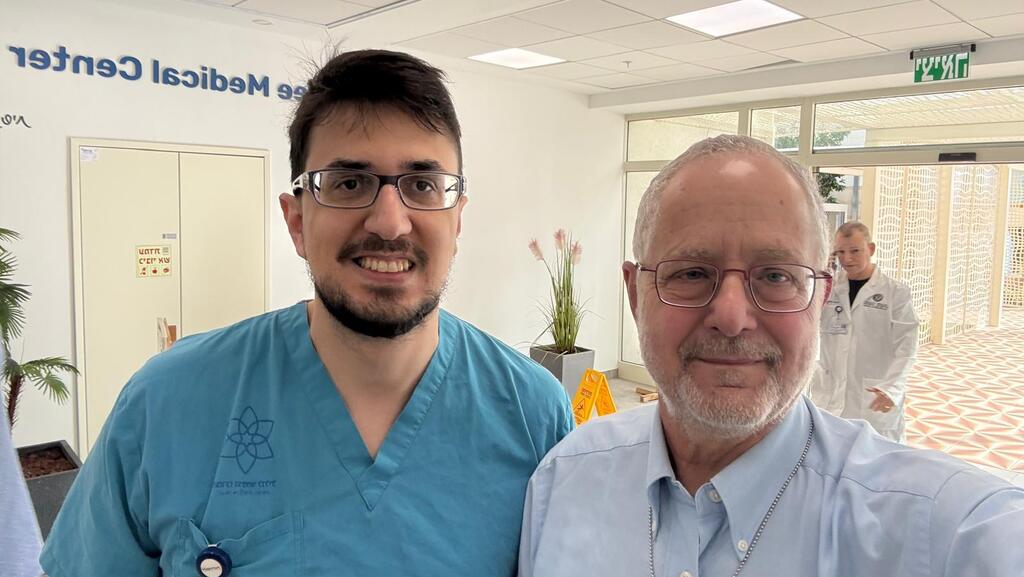
Dr. Hagai Suissa and Dr. Zeev Feldman
After completing his military service, he pursued that dream. “I studied medicine at the Technion and graduated with honors seven years ago,” he said. “For my final project, I decided to research the exact condition I had — epidural hemorrhages in children. I did it at Rambam Hospital, which sees a lot of trauma cases. That’s when I truly connected to neurosurgery.”
Suissa described how powerful it was to see the same type of cases he once survived. “You see a child in critical condition, and you realize you have the ability to change their life completely. That’s when I knew this was what I wanted to do.”
Full circle — back in the operating room
During his internship, Suissa returned to Sheba Medical Center, where he had been treated as a boy. “I did an elective month there in neurosurgery and even met Dr. Uzi Nissim, who assisted in my original operation,” he said. “Later, I emailed Dr. Feldman to tell him who I was — he remembered right away. We spoke about the surgery, my career, and he asked to take a picture together. It was very emotional.”
Suissa later continued his training in the north under Prof. Jean Soustiel, head of the Galilee and Ziv neurosurgery network. After finishing his residency, he joined the new department at Ziv under Dr. Samuel Tobias.
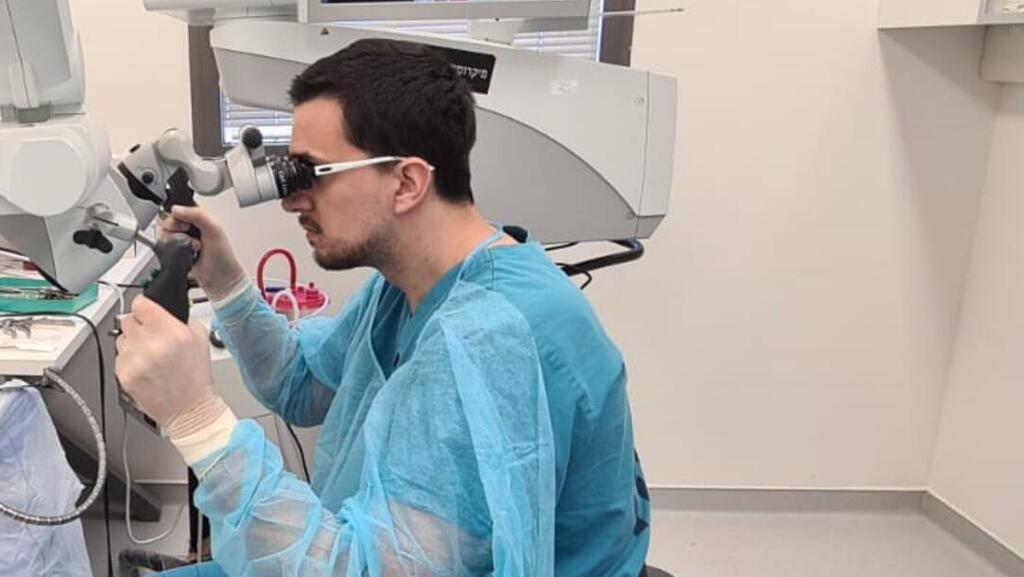
“As a neurosurgeon, I deal with everything involving the brain and spine — from congenital defects in children to tumors, head injuries, and vascular disorders,” he explained. “It’s an incredibly demanding but rewarding field. During the war, we treated injured soldiers as well — there was an intense volume of work.”
Looking ahead, Suissa plans to pursue a fellowship abroad focusing on brain tumors. “It’s the next step,” he said. “But no matter where I go, I’ll never forget that my story began on an operating table — and that’s what brought me back to it.”