


Washing your hair seems simple enough: wet, lather, rinse. But according to hair specialist Dr. Alex Ginzburg, even this basic routine can affect the condition of your hair and scalp, depending on how often you wash, which shampoo you use, the temperature of the water and even how you massage your scalp.
And one of the biggest misconceptions, he says, is the fear that frequent washing causes hair loss. “Just like any other part of the body, we wash our head in order to clean the scalp and hair, and cleaning the hair is important,” Ginzburg said.

In fact, neglecting it for too long may do more harm than good. “If you don’t clean the hair, it weakens, it can break and it can also fall out,” he said.
Washing does not cause hair loss
Many people become alarmed when they see strands collecting in the shower and conclude that washing less often will help keep more hair on their head. Ginzburg says that is a myth. “There are people who don’t wash their hair for a week or two because they think it damages the hair. We need to get rid of that myth,” he said.
“The hair itself is essentially dead cells. The root is under the skin.” Shampoo cleans the hair and the surface of the scalp, but it does not reach the root beneath the skin. “Washing your hair is not connected to hair loss. The opposite,” he said.
How often should you wash?
There is no single number that works for everyone. The answer depends largely on whether the scalp is oily or dry. “You first have to assess the condition of the hair and see what kind of hair it is, whether it is oily or dry,” Ginzburg said.
The scalp contains sebaceous glands that produce sebum, the oily substance that helps keep both skin and hair flexible. “The scalp concentrates the secretions of the sebaceous glands,” he explained. “Every hair has a sebaceous gland that produces sebum so that the hair remains flexible and maintains its shape.”
Younger people generally produce more sebum, which can make hair appear greasier. With age, production tends to decline, leaving the scalp and hair drier. This can become especially noticeable after age 50 or 60 and among women after menopause. “With age, the sebaceous glands stop functioning the way they did before, and the skin becomes drier, both on the scalp and on the body, and the hair can also break,” Ginzburg said.
That difference should guide washing frequency. “Oily hair, where secretions build up quickly, needs to be washed more often,” he said. “If the hair is dry, it should be washed less often so as not to add to the existing dryness.”
“In practical terms, someone with oily hair needs to wash every day, while someone with dry hair can wash twice a week.” He stressed, however, that there is no rigid formula that applies to everyone.
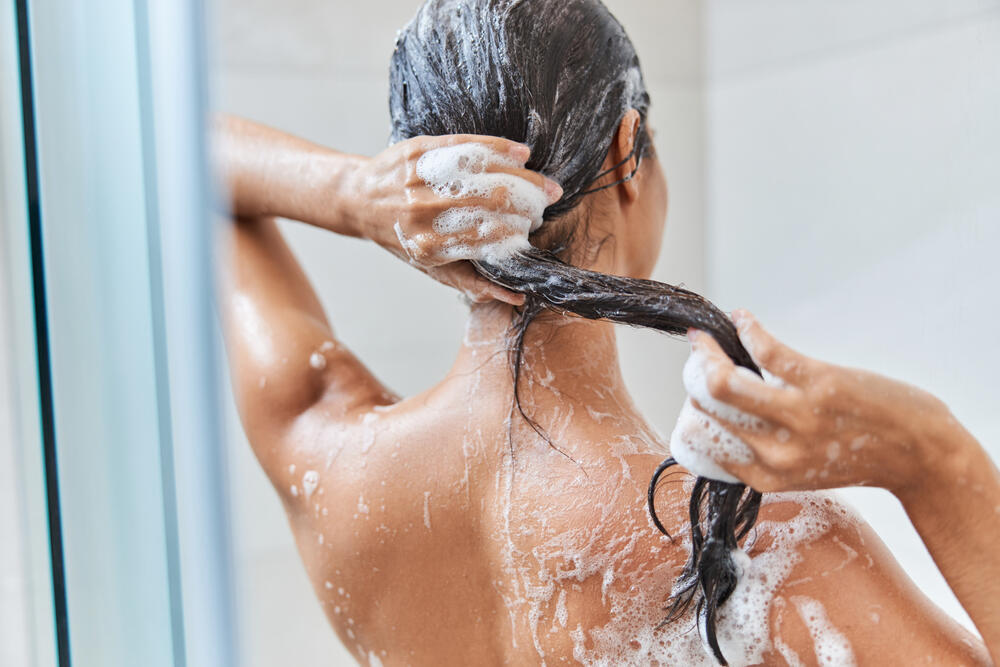
As you age, the skin and scalp become drier
(Photo: Shutterstock / Svitlana Hulko)
Don’t automatically fear sulfates
In recent years, shampoos marketed as sulfate-free, salt-free or paraben-free have become increasingly popular. But Ginzburg says some of the ingredients that have developed a bad reputation are there for a reason. “Sulfates and salts are important because they clean the hair, and it is very important to remove all the oil and sebum from the scalp,” he said. “If a shampoo has no sulfates and no salts, it does not clean the scalp as well.”
That does not mean everyone has to use sulfate-based shampoo all the time. People who want to minimize exposure, including those with chemically straightened hair, can alternate. “People who want to protect their hair can use a shampoo with sulfates or salts twice a week and a shampoo without sulfates or salts twice a week,” he said.
What you do with shampoo matters as much as what is inside the bottle. Ginzburg recommends massaging the scalp with the pads of the fingers rather than scratching it with fingernails.
Water temperature also matters. “You should wash with lukewarm water, not cold water, and certainly not hot water, because hot water damages the hair,” he said.

Don’t be afraid of sulfates and salts
(Shutterstocl/BearFotos)
A pile of hair in the drain can be alarming, but Ginzburg says the shower often simply collects strands that had already shed. “Every person loses about 100 hairs a day,” he said.
According to his explanation, roughly 30 may fall onto the floor, bed or other surfaces, while around 70 remain caught among other hairs because of static electricity. Those hairs tend to come loose during washing. “If you wash your hair every day, you see 70 hairs. If you wash every two days, you see 140. If you wash once a week, there are more than 500,” he said.
A person who sees that amount at once may assume washing is causing the loss. “That’s not correct,” Ginzburg said. “It’s hair that was going to fall out anyway.”
Conditioner matters more than many think
Shampoo may get most of the attention, but Ginzburg says conditioner is also important. “Hair conditioner is very important. It is absolutely not true that it damages the hair, and it is very important to use it after shampoo,” he said.

Dr. Alex Ginzburg
The key is where you put it. Shampoo is meant for the scalp, while conditioner should be applied to the lengths of the hair. “It should be applied from the middle of the hair to the ends, especially for women with long hair,” he said. According to Ginzburg, conditioner helps protect the hair shaft and reduce breakage.
For people with long hair, Ginzburg recommends an unusual extra step. Before getting into the shower, while the hair is still dry, use a wide-tooth comb to gently remove tangles. Then apply conditioner before shampooing. “Take conditioner and run it through the hair before washing, while the hair is dry, not on the scalp, from the middle of the hair to the ends,” he said. Wait two or three minutes, then apply shampoo to the scalp before rinsing.
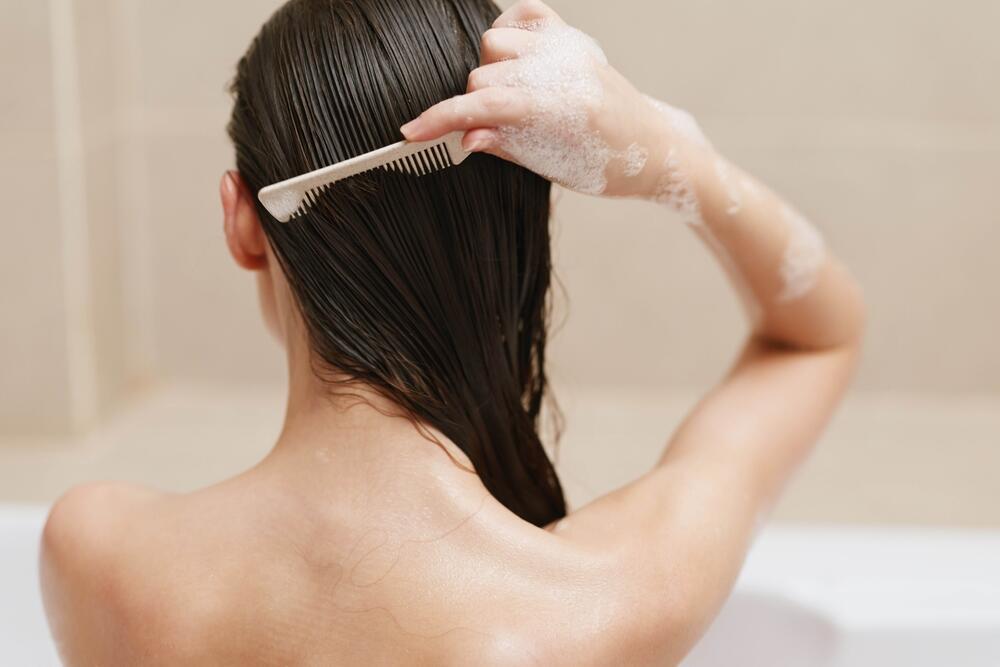
(Shutterstocl/ShotPrime Studio)
That way, the shampoo cleans the scalp while the conditioner remains on the lengths, helping protect them during washing. At the end, rinse both out together. “This protects the hair very well and gives it a great feel,” Ginzburg said. Women, he added, “will really bless this idea.” He also recommends using a hair mask twice a week for long hair, applying it to the hair rather than the scalp.
Drying: no rubbing, pulling or overheating
Hair care does not end when you turn off the water. Ginzburg advises against brushing wet hair. “Wet hair is elastic, and if you brush it in that condition, you break it,” he said. “You should always brush when the hair is dry.”
When drying with a towel, avoid vigorous rubbing. “Take a towel, wrap the hair in it and use gentle touches to dry it. Don’t rub the scalp with the towel,” he said. If using a hair dryer, keep it at least 20 centimeters from the scalp. “Don’t hold it directly against the hair,” he said.

Don’t rub the scalp with the towel
(Shutterstocl/Prostock-studio)
He also warns against tight ponytails, elastic bands and hair extensions, which can pull on the hair and contribute to breakage or traction-related loss. “Women who tie their hair up see a lot of hair on the elastic and say, ‘Look how much hair I’m losing,’” he said. “What happened is that they pulled the hair out.”
His advice extends to bedtime. “It’s better not to sleep with the hair tied up, but with it loose,” he said. For those who prefer not to sleep with loose hair, he suggests using a silk cap instead.