

For decades, we've been surrounded by a powerful narrative, aggressively promoted by the booming oral hygiene industry, urging us to brush harder, use electric brushes or switch to the latest “miracle” toothpaste. This well-marketed bubble has taken us further from the truth: much of what we think we know about brushing is simply wrong.
Let’s take a look at a natural defense system that often goes unmentioned, one that our bodies provide: the pellicle, a thin, protein-rich layer formed by saliva that acts as an invisible shield for our teeth. This layer protects against harmful acids, bacteria and natural wear.
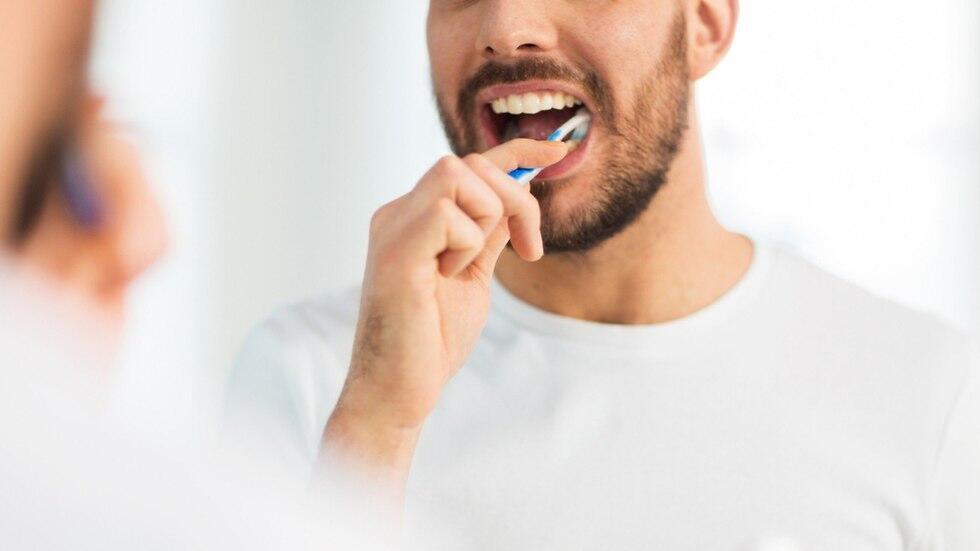
But here’s the catch: each time we brush, we strip this protective layer away. While it regenerates within hours, repeatedly destroying it, especially for commercial rather than medical reasons, isn’t always necessary.
The global toothpaste market was valued at $18.7 billion in 2023 and is projected to grow to $29.06 billion by 2032. It’s no surprise that major corporations are heavily invested in shaping our beliefs and habits. Each year, new products and brands are released, often promising whiter teeth, longer-lasting freshness or enhanced protection.
But behind these promises is a powerful marketing machine that plays on appearance, lifestyle and more than on actual health or disease prevention.
We're told that without brushing a certain way or at a certain frequency, our teeth will decay, cavities will form and our breath will drive people away. Every perceived dental issue is met with a branded solution, encouraging consumers to buy separate products for each problem, sometimes ending up with three or more tubes for different symptoms.
When brushing becomes the teeth's enemy
Dentists like myself see the results of these habits daily. Some are simply unhelpful, others genuinely harmful:
Enamel erosion: Vigorous brushing wears down enamel, the outer, strongest layer of the tooth. Once it’s gone, it doesn’t regenerate.
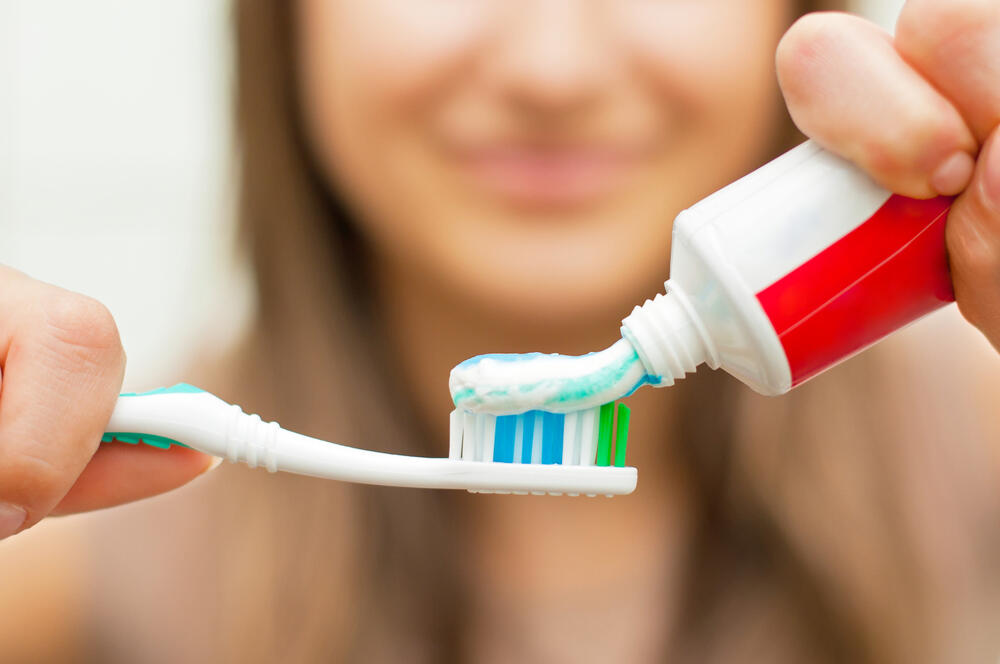
A multibillion-dollar market. Toothpastes
(Photo: Shutterstock)
Gum recession: Excessive or aggressive brushing accelerates gum recession, exposing the roots of the teeth. This increases sensitivity and risk of decay, and in severe cases, can even lead to tooth loss.
Heightened sensitivity: As enamel erodes and gums recede, symptoms can include pain when consuming hot or cold drinks, or sweet foods and even discomfort from breathing in cold air.
Interestingly, some toothpastes with a slightly acidic pH (between 4.5 and 5.1) may actually help strengthen enamel. However, low acidic products (below pH 4.5) can cause damage.
So what actually supports dental health?
There’s no need to overload your already busy mornings or evenings with endless products. Keeping teeth strong and healthy requires just a few simple practices: a balanced diet, healthy saliva, the mouth’s natural defenses and gentle, proper brushing, with a strong emphasis on gentle. Here are a few firsthand recommendations from a dentist:
* Use a soft brush, and replace it every three to four months.
* Brush gently in circular motions at a 45-degree angle to the gums, for no more than two minutes.
* Wait 30 minutes after eating before brushing, limit brushing to two or three times a day and allow the natural protective layer time to regenerate.
In short, practice critical consumer habits when it comes to oral health. This isn’t about brushing less, but about brushing wisely.
 Dr. Khaled GafaliPhoto: Courtesy
Remember:
Quality over quantity: Gentle, correct brushing beats frequent, aggressive cleaning.
Listen to your body: Notice warning signs like sensitivity or bleeding.
Strike a balance: Maintain good hygiene while respecting your body’s natural defenses.
The next time you’re brushing in front of the mirror, don’t think of it as a battle. Your teeth aren’t the enemy; you need them. Treat them with the care and respect they deserve.
First published: 20:50, 12.22.25