

Although the substance itself has been known for centuries, its potential for addiction treatment was discovered almost by chance by a young American heroin user in the 1960s. Since then, it has shown unprecedented results in treating severe substance dependence and post-traumatic stress. Yet ibogaine, a powerful psychedelic, also has a dark side that can be life-threatening.
Why are major pharmaceutical companies hesitant? How has the U.S. government recently intervened? And it turns out that here, too, a small Israeli company is trying to make history and crack the formula, alongside a handful of others worldwide.
Gallery
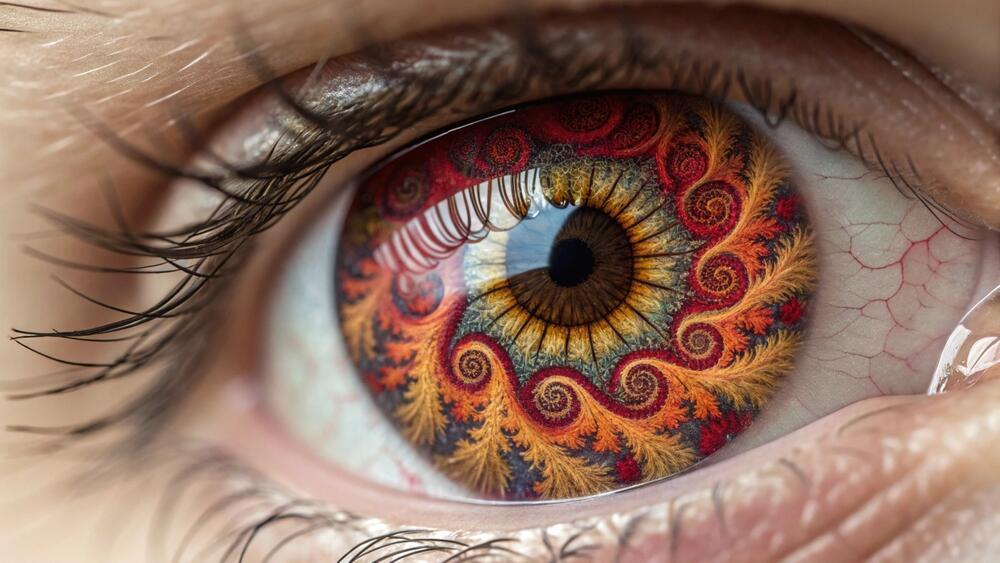
Ibogaine: the experience is sometimes described as a long, intense journey through consciousness
(Photo: Shutterstock)
The global addiction crisis is worsening, and modern medicine is in urgent need of real breakthroughs. One of the most promising and intriguing developments comes from an unexpected source: an African plant known as Tabernanthe iboga. For centuries, members of the Bwiti religion in Gabon chewed the root bark in spiritual initiation rituals, reporting deep visions and a connection to their ancestors. The Western world, however, discovered the medical potential of the plant’s active compound, ibogaine, in a very different way.
In France, ibogaine was sold for about 30 years, until the 1960s, as an antidepressant and stimulant called Lambarene before being banned. In the United States, its anti-addiction potential was discovered in 1962. A young American named Howard Lotsof decided to try the substance and was astonished to find that his severe heroin addiction had effectively disappeared. He gathered a small group of other young users, seven of whom were heroin addicts. After taking ibogaine, all seven reported that withdrawal symptoms had vanished, and five did not return to heroin for at least six months.
“Suddenly I realized I wasn’t experiencing withdrawal,” Lotsof later said. “Where I once saw heroin as something that comforted me, I now saw it as something that simulated death. My next thought was that I preferred life over death.”
A ‘deep cleanse’ for the brain
Experientially, ibogaine is often compared to ayahuasca, though the substances are fundamentally different. While ayahuasca — the Amazonian brew based on DMT — produces an eight- to 10-hour experience often described as more spiritual and colorful, ibogaine induces a much longer and more intense journey that can last up to 24 hours. It is an inward, focused experience, often described as a “deep cleansing” of memories, trauma and addictive patterns. In this sense, ibogaine is seen as having a more “medical” or clinical character, compared with the more “spiritual” nature of ayahuasca.
 Dr. Roy Zucker Photo: Ichilov Medical Center
Science is still trying to understand exactly how this “magic” works. In 1991, the U.S. National Institute on Drug Abuse funded studies showing that ibogaine significantly reduced consumption of heroin, morphine, cocaine and alcohol in rodents. Today, researchers believe the substance increases the production of proteins that promote neuron growth and enhance neuroplasticity — the brain’s ability to rewire itself and repair damage caused by prolonged drug use or trauma.
Recent studies in mice also show that ibogaine boosts production of a protein known as GDNF, which is essential for repairing cells damaged in Parkinson’s disease — a finding that could point to future treatments for neurodegenerative disorders.
Evidence of the drug’s effectiveness continues to grow. In 2024, a breakthrough study published in the journal Nature Medicine examined ibogaine treatment in 30 special forces veterans suffering from mild traumatic brain injury, post-traumatic stress and depression under a controlled protocol. The results were striking: significant functional improvement, a sharp reduction in anxiety and depression, and no serious side effects — all within just one month.
A comprehensive 2022 review of 24 studies involving 705 patients supported these findings, concluding that ibogaine is an effective therapeutic tool that reduces drug cravings and withdrawal symptoms.
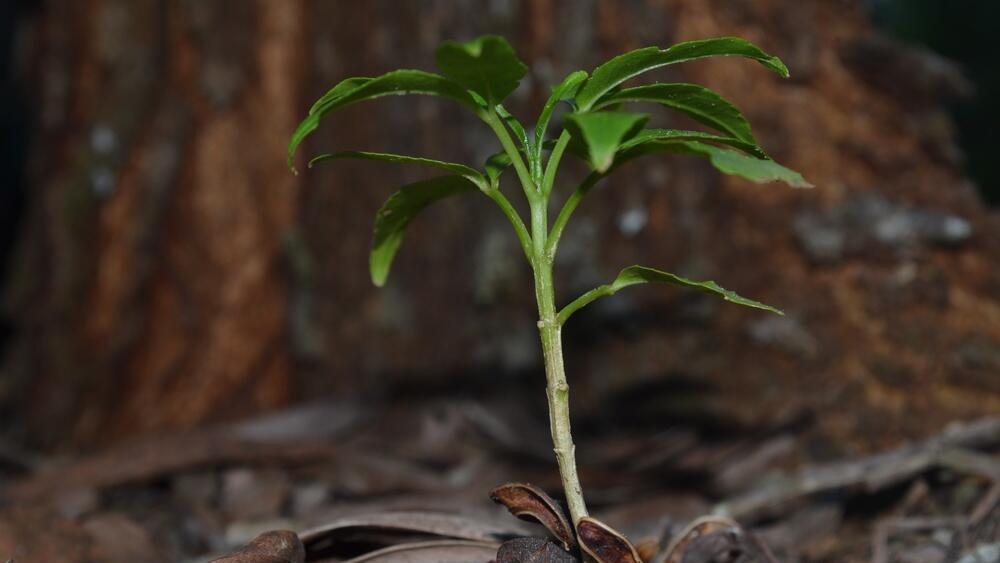
Ibogaine originates in the root of the Tabernanthe iboga plant
(Photo: Shutterstock)

Members of the Bwiti religion in Africa used ibogaine for centuries in spiritual ceremonies, reporting visions and a connection to their ancestors
(Photo: Shutterstock)
No free lunches
But there is a major caveat. In medicine, there are no free lunches, and ibogaine carries a serious risk: it is toxic to the heart. Uncontrolled use can lead to conduction abnormalities, including prolonged QT interval, bradycardia and, in extreme cases, fatal arrhythmias and death. In the Nature Medicine study, researchers mitigated cardiac risk by administering magnesium, but the danger still looms over future development.
Beyond clinical risks, there is also an economic barrier. Ibogaine is a natural substance, making it difficult to secure a traditional patent. Large pharmaceutical companies, which tend to avoid addiction treatments due to limited profitability and legal risks, have largely stayed away, leaving the field to small biotech firms.
Recognizing the urgency, the U.S. government recently turned to the Food and Drug Administration to help advance development in this area. So far, however, no company has reached advanced Phase 3 clinical trials. The leading company, atai Life Sciences, remains stuck between Phase 1 and Phase 2, largely due to the FDA’s strict safety requirements regarding cardiac toxicity.
The Israeli angle
In researching the topic, it emerges that a small Israeli company has stepped into this gap with a different approach. PsyRx is among the few companies worldwide attempting to develop an approved drug based on ibogaine, and it is doing so in a way designed to bypass safety concerns.
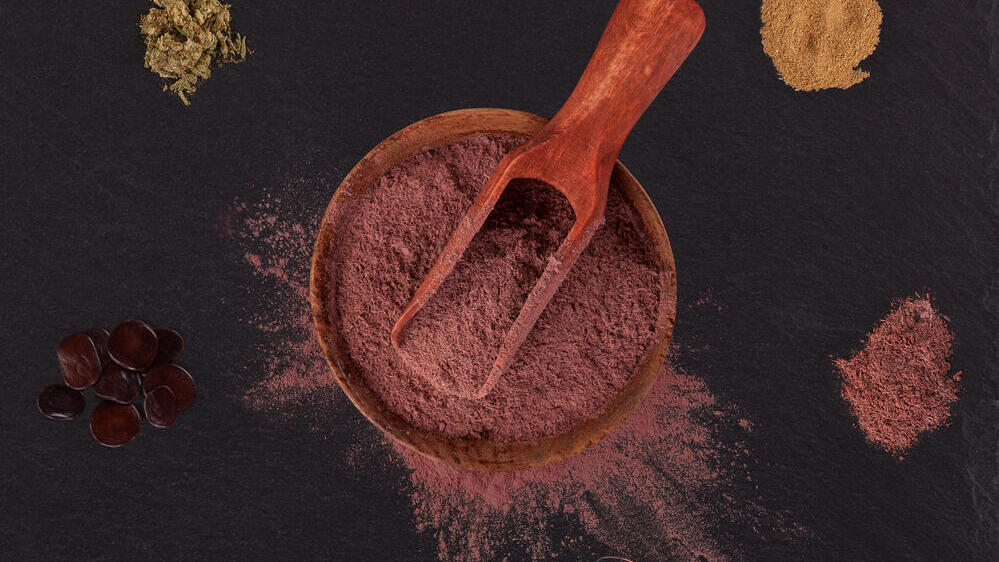
Ibogaine offers new hope for addiction treatment, but carries significant risks
(Photo: Shutterstock)
Instead of aiming to induce long psychedelic experiences to treat addiction, PsyRx is focusing on treatment-resistant depression. Its lead therapy combines a well-known SSRI antidepressant with a microdose of ibogaine. The goal is to harness the neuroplasticity induced by ibogaine to accelerate the antidepressant’s effect — without producing a hallucinogenic experience and without cardiac risk.
In March 2024, the company reported a significant milestone, successfully completing a preclinical toxicology safety study in rats that showed a favorable safety profile after 14 days of treatment.
As always in medicine, progress depends on balancing significant benefits with potentially dangerous side effects. Ibogaine is undoubtedly one of the most fascinating — and challenging — substances nature has provided. Whether the breakthrough that could free millions from addiction and depression will ultimately reach the pharmacy remains to be seen. For now, recent attention from the FDA suggests a cautiously encouraging direction.
Dr. Roy Zucker is a specialist in internal medicine and infectious diseases and chairman of the Israeli Society for LGBTQ Medicine, and has focused in recent years on harm reduction in substance use.