


Israel’s reputation as a technology-driven country is visible in almost every part of daily life. Bills are paid by phone, government forms are submitted online, appointments are arranged through apps and answers often arrive by text message. Healthcare increasingly operates in the same way.
For new olim, understanding Israel’s digital medical system can make the transition considerably easier. Care does not always begin at a clinic or with a phone call. Many routine needs can now begin through an app, website, video consultation or online request.
Healthcare in Israel for olim


A prescription renewal, appointment, referral, test result or question for the clinic may be only a few taps away. The key is knowing which service to use, what can be handled remotely and when a physical examination is still necessary.
Your phone as the first point of contact
Israel’s health funds have developed digital platforms that connect members to their medical records and healthcare providers. Clalit, Israel’s largest health fund, offers one example of how this system works.
Through Clalit’s app and online account, members can book appointments, view medical records, check laboratory and imaging results, review prescriptions and referrals, send requests to their clinic and locate healthcare services. Appointments may be available in person, by telephone or through video, depending on the doctor and type of care.
Gallery
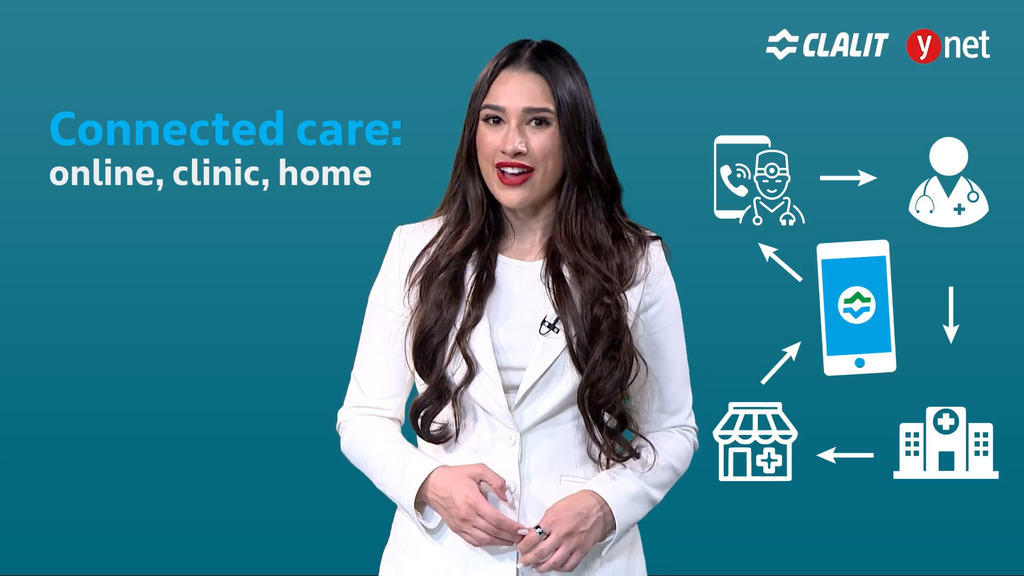
A prescription renewal, appointment, referral, test result or question for the clinic may be only a few taps away
(Photo: Screenshot)
For an oleh who is still learning the system, this digital access can remove several layers of uncertainty. Instead of first determining which office to call, users can begin by signing in and checking the available options.
It is worth setting up access as soon as possible after joining a health fund. Members should make sure their Israeli cellphone number is registered correctly, since one-time login codes, appointment confirmations and clinic responses are often sent by SMS. Parents should also learn how to access their children’s files. Adults assisting an elderly or dependent relative may be able to receive authorization to manage some online services on that person’s behalf.
Appointments without the waiting music
One of the simplest benefits of digital healthcare is the ability to arrange appointments without calling a clinic. Clalit members can book a wide range of appointments online, including visits with family doctors, pediatricians, specialists and nurses, as well as certain tests and pharmacy appointments. The system may also show previous appointments and doctors the patient has visited before.
Pay close attention to the appointment format. A telephone consultation, video appointment and clinic visit are different services. Not every doctor offers all three options, and a remote consultation may not be suitable when a physical examination is required.
Some personal doctors offer scheduled video appointments in which they can assess a patient, provide guidance and, where appropriate, issue a prescription or referral.
Sending requests to your clinic
Not every question requires a full appointment. Many routine administrative and medical requests can be sent digitally to a doctor or clinic. These may include renewing a regular prescription, requesting a referral, obtaining a medical document or following up on an existing issue.
Regular prescriptions can be renewed through Clalit Online, the app, WhatsApp and other self-service channels, although the precise options depend on the medication, doctor and patient’s circumstances.
This is especially useful for new olim managing ongoing conditions. However, prescriptions issued abroad do not automatically become valid Israeli prescriptions, and the same medicine may be sold under a different name. Anyone arriving with regular medication should arrange an appointment before the supply brought from abroad runs low.
Digital requests are generally intended for routine matters, not urgent symptoms. They may not be reviewed immediately, so they should not be used when a patient needs prompt medical assessment.
Seeing a doctor from home
Telemedicine has become an established part of Israel’s healthcare system. Clalit offers remote consultations with family doctors, pediatricians and other providers through video or telephone calls. Its online family-doctor service can assess common concerns and issue a referral or prescription when medically appropriate. The service is not intended for emergencies.
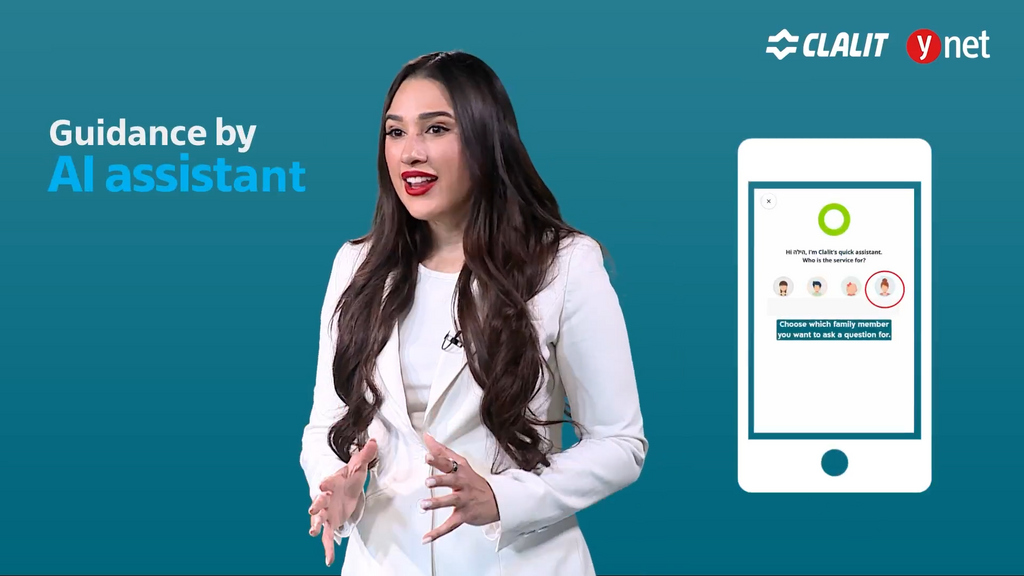
Telemedicine is not designed to keep every patient out of the clinic, its role is often to help determine the safest and most appropriate next step
(Photo: Screenshot)
Online pediatricians are available by video or telephone around the clock, according to Clalit, and each child may receive up to 12 consultations per calendar year. These services can be particularly valuable at night, on weekends or when a parent is unsure whether a child needs to be taken to an urgent-care center. An online doctor may provide treatment advice, issue a prescription or decide that the patient needs an in-person examination.
That last possibility is important. Telemedicine is not designed to keep every patient out of the clinic. Its role is often to help determine the safest and most appropriate next step.
Test results and medical records
Laboratory and imaging results often appear in the patient’s online medical record, allowing members to review information without returning to the clinic merely to collect paperwork.
The digital record may include blood and urine test results, medical summaries, referrals, prescriptions and reports from imaging examinations. Clalit’s online services also allow users to track treatments, view medical documents and check the status of certain requests.
But easy access does not always mean easy interpretation. A value marked outside the standard range does not necessarily indicate a serious medical problem, and apparently normal results do not always rule one out. Patients should contact the doctor who ordered the test when they need an explanation or when symptoms continue.
Prescriptions and medications online
Israel’s digital medical system also extends to pharmacies. Clalit members can check medication information, review digital prescriptions, reserve pharmacy appointments and, in some cases, check whether a medication is available before traveling to collect it.
Clalit’s online pharmacy offers eligible prescription medications, nonprescription products and medical equipment for collection or home delivery. Users must be registered for online services and meet the payment requirements, while restrictions apply to some medicines and delivery areas.

Your first step may be digital, but the purpose of the technology is not to replace healthcare professionals
(Photo: Screenshot)
This can save time, but new olim should not assume that every pharmacy works identically. Availability, health-fund agreements and prescription rules can vary, so it is useful to check before leaving home.
When the clinic comes to you
Israel’s digital-health sector goes beyond video calls. Clalit lists services including laboratory testing at home, digital urine tests, home pregnancy ultrasound programs, mental health support and Tyto-assisted examinations. Availability depends on location, eligibility and the patient’s medical needs.
Tyto is a connected examination device that can help a doctor remotely assess areas including the ears, throat, lungs, heart, skin and body temperature. During a video consultation, the patient performs guided examinations and transmits the findings to the doctor, who may then provide an assessment, referral or prescription.
These tools reflect a broader Israeli approach to healthcare technology: bringing parts of the clinic into the home while keeping doctors involved in the medical decision.
Know when not to go digital
Online healthcare is useful only when it is used appropriately. Severe chest pain, major breathing difficulty, loss of consciousness, signs of a stroke, serious injury or another potentially life-threatening condition requires immediate emergency care. A clinic message, routine appointment request or online consultation should never delay urgent treatment.
A doctor may also conclude during a remote consultation that a physical examination, laboratory test or imaging procedure is necessary. In that case, the digital service has still done its job by directing the patient to the right level of care.
For new olim, Israel’s technology-oriented healthcare culture can initially feel like one more unfamiliar system to learn. But once the main tools are set up, they can make everyday care easier to reach. The essential lesson is simple: your first step may be digital, but the purpose of the technology is not to replace healthcare professionals. It is to help you find the right care, in the right place, with fewer unnecessary delays.
For more useful articles for olim click Global aliyah
In cooperation with Clalit Health Services