


A new personalized treatment for high-risk melanoma is showing especially encouraging results. Patients who received the therapy had a 49% lower risk of death or disease recurrence, even five years after follow-up began.
The data were released by pharmaceutical companies Moderna and Merck and are based on a long-term study of patients with advanced melanoma who underwent surgery to remove their tumors. The findings confirm earlier results published after three years of follow-up.
Gallery
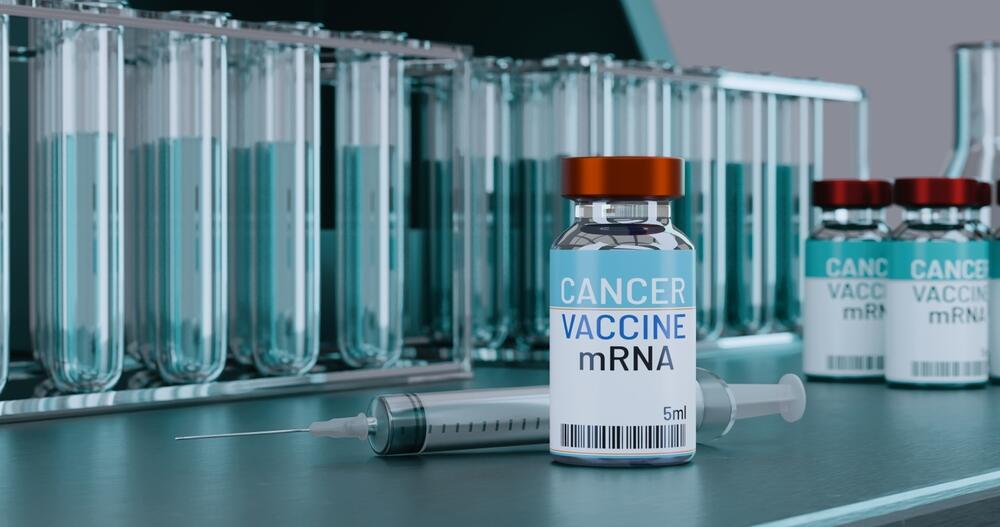
A personalized mRNA-based therapy for high-risk melanoma patients showed a sharp reduction in recurrence and death
(Photo: Shutterstock)
The treatment is based on mRNA technology, familiar from COVID-19 vaccines, but in this case it is tailored individually for each patient. After surgical removal of the tumor, the genetic material of the cancer cells is analyzed. Based on that analysis, a unique mRNA sequence is produced to train the immune system to identify and attack specific cancer cells that may remain in the body.
The therapy is given in combination with Keytruda, an immunotherapy drug widely used in the treatment of melanoma.
‘Personalized treatment at the highest level’
According to Prof. Gal Markel, a melanoma oncology specialist and director of the Davidoff Cancer Center at Beilinson Hospital, the core idea behind the treatment is to provide the immune system with the most meaningful information originating from the tumor itself.
“The goal is to flood the immune system with highly specific intelligence from the tumor, information that allows it to identify the cancer precisely,” Markel explains.
As cancer develops, and melanoma in particular, changes occur in the DNA of the cells. “These changes exist only in the cancer cells and not in healthy cells,” Markel says. “That is the basis for the immune system’s ability, at least in principle, to distinguish between cancerous and healthy cells. However, not every genetic change is relevant. Only some mutations give the immune system a real chance to recognize the cancer cells.”
 Prof. Gal MarkelPhoto: Elad Malka
This is where personalization comes in. “The melanoma of one patient is not identical to that of another,” Markel emphasizes. “There may be a small number of shared mutations, but in the vast majority of cases the changes are unique to each individual.”
The process involves deep sequencing of the patient’s melanoma DNA and comparing it with DNA taken from healthy cells. Computational tools are then used to rank the detected mutations according to their estimated relevance to that individual’s immune system. From this ranked list, 34 mutations with the highest immunological importance are selected.
Because these are genetic sequences, a single mRNA molecule can be produced that includes all 34 sequences together. “Each patient receives a different mRNA,” Markel says. “This is personalized treatment at the highest level. It delivers the most critical intelligence for identifying melanoma cells directly to the patient’s immune system, in a concentrated form.”
Treatment, not a preventive vaccine
Markel stresses that the technology itself is not new. Research on mRNA began many years before the COVID-19 pandemic. When cells are exposed to or absorb mRNA, it is translated into protein, which is what the immune system recognizes and responds to.
“In effect, we feed the immune system mRNA,” he explains. “The cells produce the protein, and the immune system is exposed to the targets it needs to attack.”
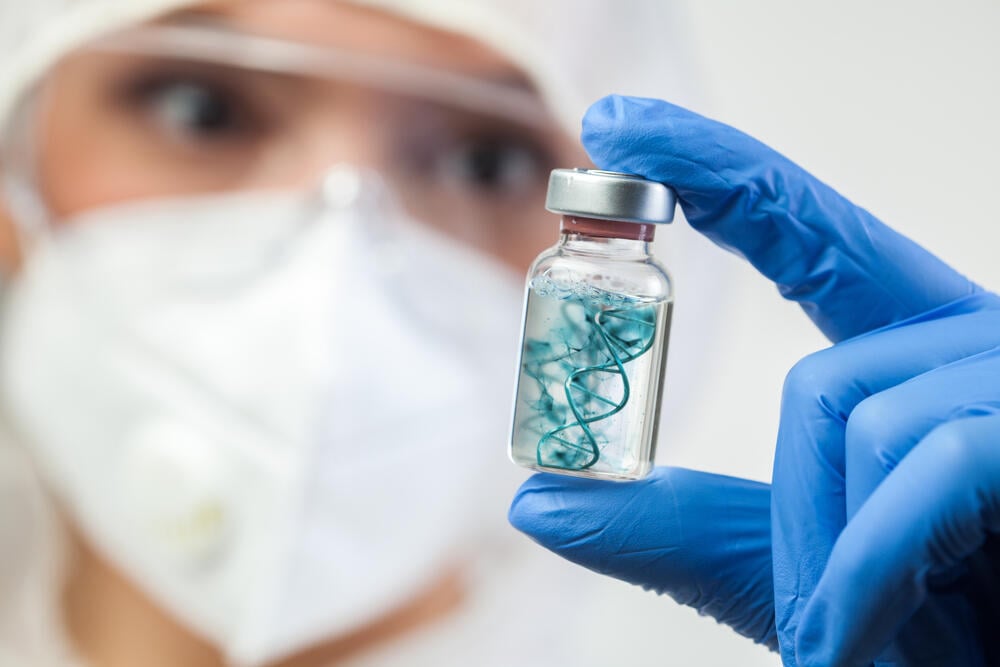
A process of extracting the most critical data for identifying melanoma cells and delivering it to the patient’s immune system
(Photo: Shutterstock)
In COVID-19 vaccines, the mRNA contained key components of the virus and was given preventively. “Cancer is different,” Markel says. “This treatment is not given in advance to prevent melanoma. The tumor must already exist so we can identify the relevant mutations. This is not a preventive vaccine, but a treatment.”
The study reported by Moderna and Merck focused on high-risk melanoma patients in stages 2 and 3 who had not yet developed metastatic disease. Standard treatment at this stage is surgical removal of the tumor, followed by additional therapy to reduce the risk of recurrence.
Even after successful surgery, isolated cancer cells may remain in the body and escape detection. Immunotherapy drugs such as Keytruda help by releasing internal brakes on the immune system, allowing it to act more effectively against hidden melanoma cells. The mRNA treatment adds another layer by highlighting the exact identity of each patient’s melanoma cells.
“The combination of these two elements explains the encouraging results,” Markel says. “Phase 2 trial results showed that adding the mRNA treatment improved outcomes by about 40% compared with Keytruda alone. It looks very promising, but it is important to wait for the results of the phase 3 trial.”
A shift toward personalized cancer care
Markel notes that Israel was among the countries that recruited the largest number of patients for the study and that the same approach is now being tested in other types of cancer.
“Advances over the past decade in genetic sequencing and mRNA production have changed the rules of the game,” he says. “Processes that once took a very long time can now be completed within weeks, and patients receive their personalized treatment quickly. Fifteen or 20 years ago this was simply not possible. Today it is happening routinely.”
Melanoma is considered the most dangerous form of skin cancer. Although it accounts for only a small percentage of all skin cancer cases, it is responsible for most deaths, largely because it tends to spread rapidly if not diagnosed and treated early. Patients diagnosed at advanced stages face a particularly high risk of recurrence even after successful surgery.
According to U.S. health authorities, one in five people will develop some form of skin cancer during their lifetime, and millions are treated each year. Most cases can be prevented by avoiding excessive sun exposure, using sunscreen and avoiding tanning beds, a major risk factor for melanoma.
The new treatment is still considered experimental and is not yet available to the general public. However, the companies are already examining its use in other cancers, including lung, bladder and kidney cancer. If it continues to prove effective and safe, it could mark a significant shift in cancer treatment, from broad approaches to highly personalized therapies based on the unique characteristics of each tumor and each patient.