

It has now been a month since the night of July 15, when an Iranian ballistic missile struck a direct blow to ALEH’s Bnei Brak campus, one of Israel’s leading educational and therapeutic centers for children with severe physical disabilities and complex medical needs. Thanks to swift action and good fortune, no children were on-site at the time. Yet while lives were spared, the damage left behind remains devastating — and the path to recovery long and costly.
ALEH’s campus was built according to the highest safety standards for civilian welfare institutions in Israel, including reinforced safe spaces and protected areas. However, no civilian facility is designed to withstand a direct hit from a ballistic missile of this magnitude. The damage was catastrophic: specialized classrooms destroyed, therapeutic equipment ruined, infrastructure rendered unusable. Walls crumbled, windows shattered, vital medical systems were obliterated.
Gallery
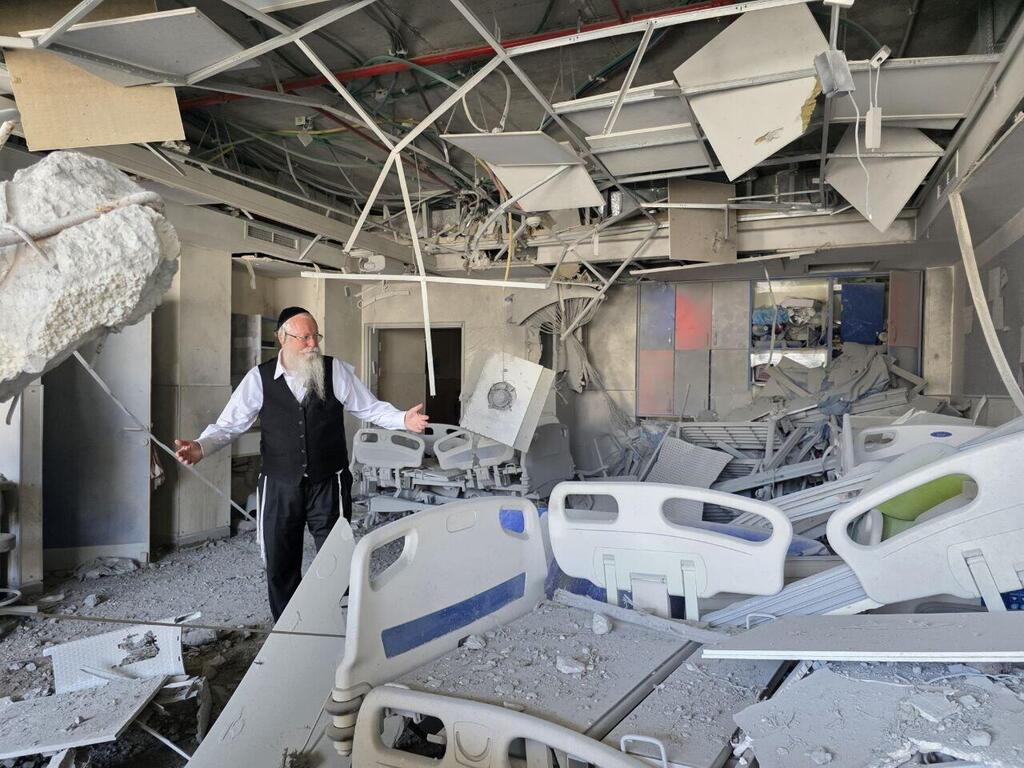
ALEH’s Bnei Brak campus took a direct hit from an Iranian ballistic missile
(Photo: Courtesy)
“We took every precaution. The building was fortified. The children were evacuated ahead of time. But a direct ballistic hit of this scale leaves devastation behind, no matter how prepared you are,” says Yehuda Marmorstein, CEO of ALEH.
ALEH’s children — among the most medically fragile in Israel, many of them ventilated, all living with profound physical disabilities — were relocated to temporary facilities across the country or, where possible, to their family homes under close medical supervision. For these children, routine is critical. Familiar environments, trusted caregivers, specialized therapies — these are not luxuries but lifelines.
“Every day away from their structured, supportive surroundings is a setback,” Marmorstein explains. “These children thrive on consistency. Disruption affects their health, their progress, and their emotional well-being.”
Rebuilding ALEH’s specialized campus is no small undertaking. It requires more than repairing walls. Every space must be adapted for wheelchairs, medical lifts, respiratory support systems, sensory therapies and individualized educational frameworks.
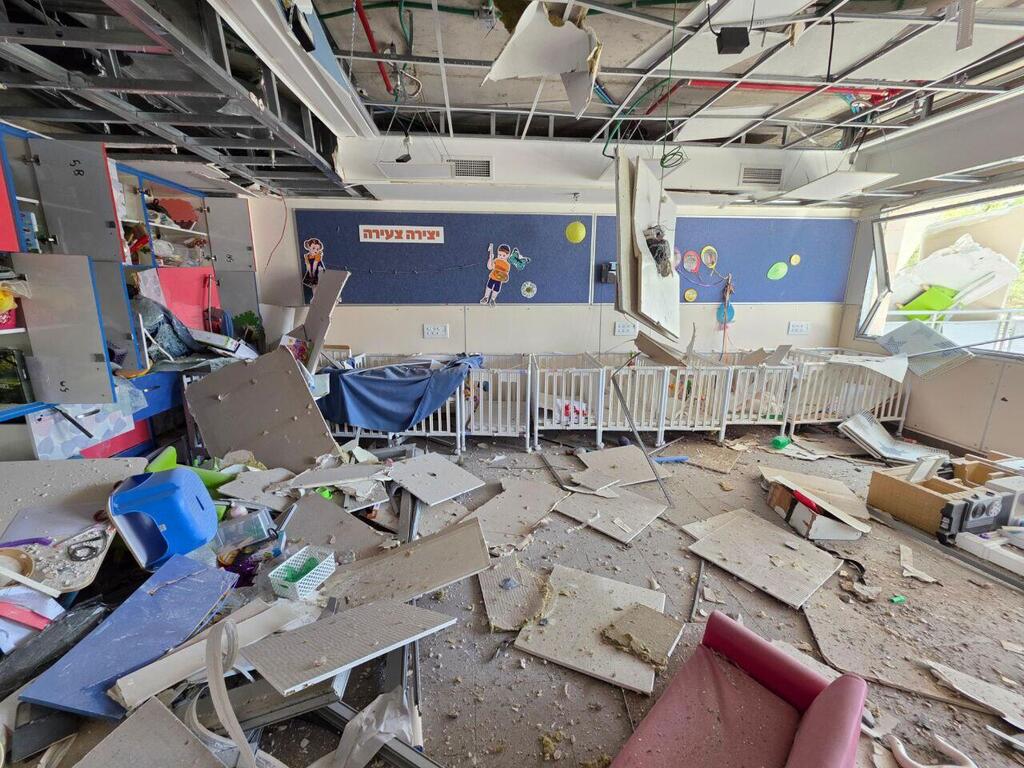
ALEH’s Bnei Brak campus took a direct hit from an Iranian ballistic missile
(Photo: Courtesy)
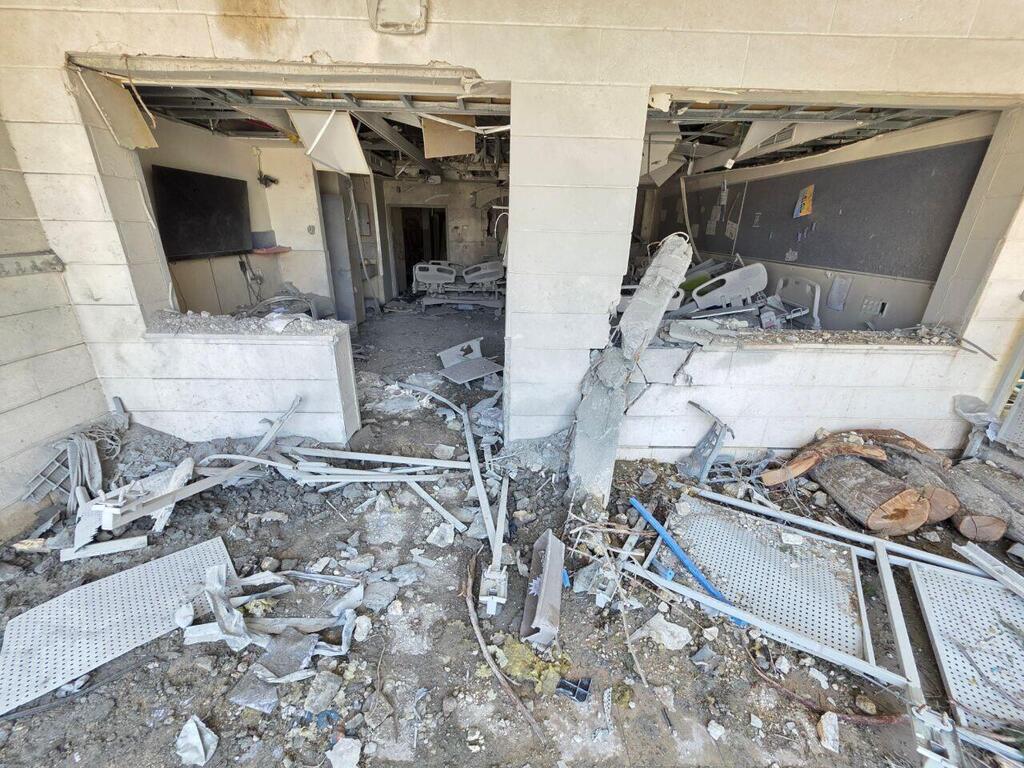
ALEH’s Bnei Brak campus took a direct hit from an Iranian ballistic missile
(Photo: Courtesy)
The estimated cost of reconstruction exceeds 20 million shekels (approximately $5.5 million). This includes specialized infrastructure, medical and therapeutic equipment and rebuilding facilities to the highest standards of accessibility and care.
Under Israeli law, only a portion of such damages is eligible for compensation through government mechanisms. Welfare institutions like ALEH routinely rely on the generosity of donors in Israel and abroad to bridge the significant gap between government assistance and actual need.
Get the Ynetnews app on your smartphone: Google Play: https://bit.ly/4eJ37pE | Apple App Store: https://bit.ly/3ZL7iNv
“This has always been the reality for institutions like ours. The government provides partial support, but the rest — the critical parts that turn buildings into homes, and spaces into opportunities — depends on the kindness and compassion of those who believe in our mission,” Marmorstein notes.
The missile strike on ALEH highlights a broader challenge in post-war recovery for Israel’s welfare sector. Hundreds of children and adults with severe disabilities rely on facilities like ALEH, yet these are often among the last to recover from conflict-related damage. Not out of neglect, but because the systems for rapid reconstruction simply don’t prioritize such specialized, fragile populations.
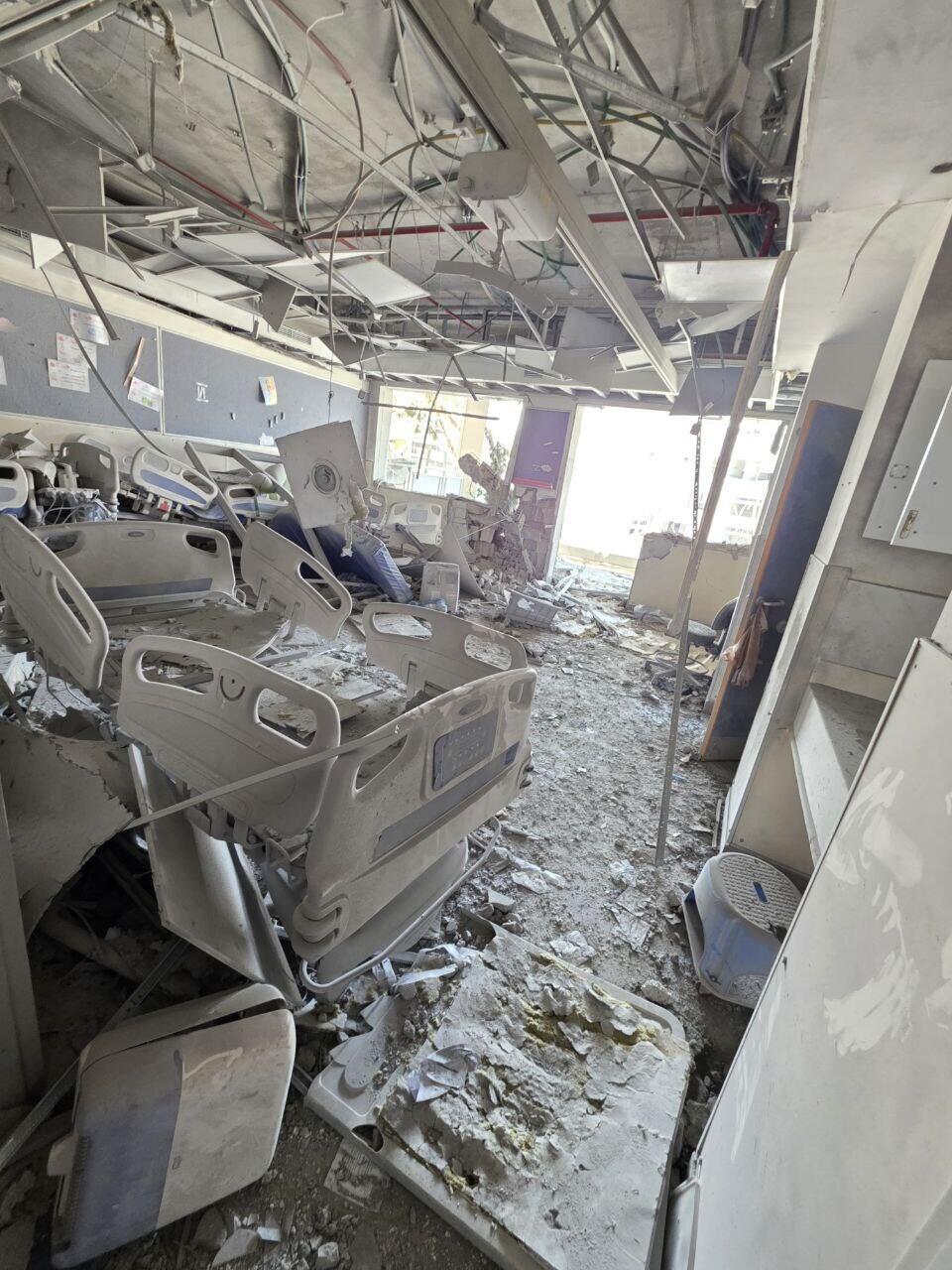
ALEH’s Bnei Brak campus took a direct hit from an Iranian ballistic missile
(Photo: Courtesy)
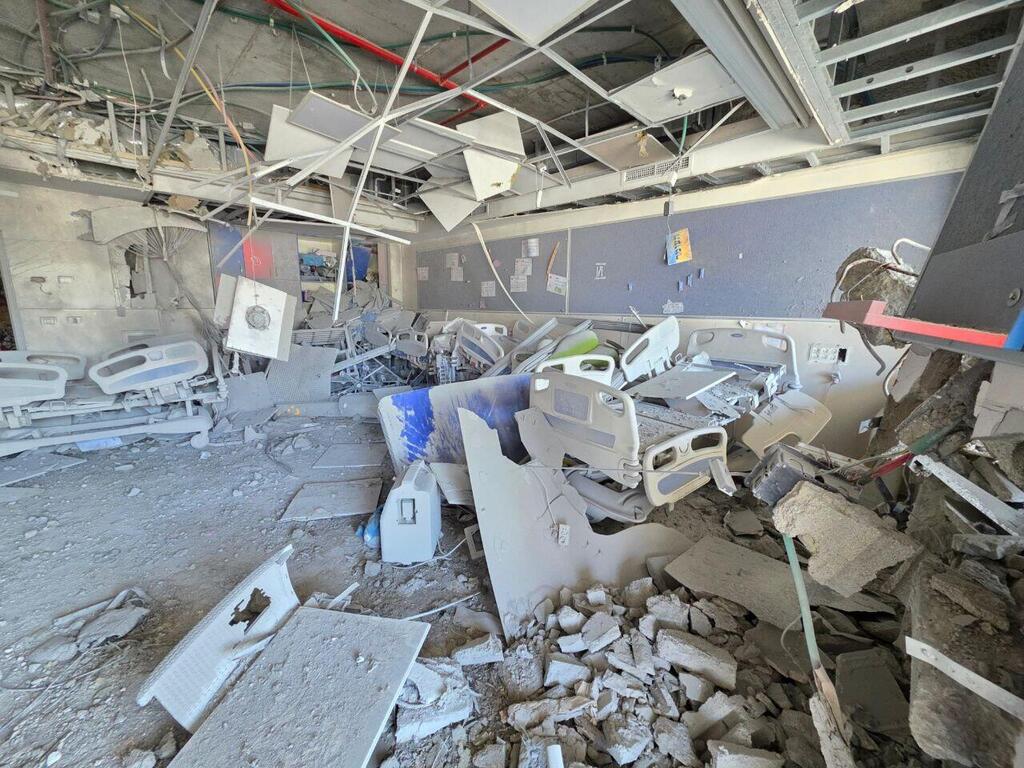
ALEH’s Bnei Brak campus took a direct hit from an Iranian ballistic missile
(Photo: Courtesy)
Despite the immense challenges, ALEH has wasted no time. Teams are working tirelessly to secure temporary accommodations, maintain therapeutic services, and plan for a full recovery. Simultaneously, ALEH has launched a fundraising campaign to help cover the costs of reconstruction, appealing to its dedicated network of supporters and philanthropists worldwide.
“We are determined to rebuild. Not for ourselves, but for the children who deserve nothing less than to come back to a safe, welcoming, fully adapted home. We owe it to them, and we are confident that those who share our values will stand with us,” says Marmorstein.
ALEH hopes to reopen its Bnei Brak campus within the coming year, though the timeline depends on the success of ongoing fundraising efforts and the complex logistics of rebuilding a highly specialized facility.
“The war may be over for most Israelis. For us, for these children, the rebuilding is only just beginning,” Marmorstein concludes. “But with help — and with heart — we will bring them home.”