

Data from the American fitness industry shows that gym memberships are among the most purchased and least used products on the market. That is not very surprising. Most people know that maintaining a consistent workout routine for the long term is one of the hardest habits to build.
It’s not about willpower
The first thing to understand is that your struggle is not a matter of willpower. Believing that it is, may actually be part of what makes it so hard to keep going.

The difficulty stems from a mix of sociological, psychological, and psychophysiological reasons. On a social level, we have absorbed misleading cultural ideas. On a psychological level, each person’s defense mechanisms and emotional patterns play a role. And on a physical level, the mind and body constantly influence each other. Thoughts and beliefs affect our emotions and sensations, and those sensations in turn shape how we think and feel.
How diet culture took over fitness
In recent decades, physical activity has been overtaken by diet culture, a system of social and cultural messages that connect worth and success to thinness. In simple terms, we have learned to associate exercise with weight loss and to see its main purpose as changing how we look.
That association creates major problems. It discourages people from building a lifelong exercise habit because it sets unrealistic expectations. Many people believe that being in shape means being thin, and when that does not happen, they give up. In reality, very few people can achieve society’s ideal of “fit” while maintaining holistic health.
The cycle of disconnection and shame
This mindset also leads to disconnection from our bodies. Exercise becomes something we do for external approval instead of for our own well-being. When people constantly hear messages like “it’s all in your head” or “get your body ready for summer,” it becomes harder to listen to what their bodies actually need. Most workout programs are not designed for a wide variety of body shapes or abilities. When someone feels unable to complete the exercises, it reinforces feelings of failure and shame. Over time, this builds an inner critical voice that labels the person lazy or weak for not meeting impossible goals. That voice often develops early in life. It may echo the messages we heard growing up in homes where appearance or performance determined how much we were valued. When that internal critic becomes dominant, physical effort starts to trigger emotional pain. Exercise then becomes a reminder of failure instead of a source of strength.

“Need to get your body ready for summer”? Not really
(Photo: Shutterstock)
When effort feels like failure
Physical effort is neutral. A racing heart or tired muscles are simply bodily sensations. The problem begins when those sensations are tied to feelings of inadequacy. The inner critic interprets fatigue as proof that we are not good enough, which creates emotional pain. That pain can then lead to mental overload and physical discomfort. This is the psychophysiological link between our emotions and our bodies.
Think of a child learning something new in an environment that punishes mistakes instead of encouraging progress. If that child is told she is not good or smart enough, she will probably stop trying. Adults react the same way when it comes to exercise.

Most workout programs aren’t designed for a wide range of body sizes and shapes
(Photo: Shutterstock)
A new way forward
The solution needs to be as broad as the problem. On a cultural level, we need to change the way we think about health and movement. True well-being cannot come from shame or guilt. It can only grow from curiosity, compassion, and genuine care for ourselves.
On a personal level, change is already happening. Many professionals in fitness and mental health now promote approaches that are emotionally aware and body inclusive. When choosing where to train, ask yourself: Do I feel comfortable here? Is the workout adapted to my body today? Do the trainers listen and adjust when I ask for a change?
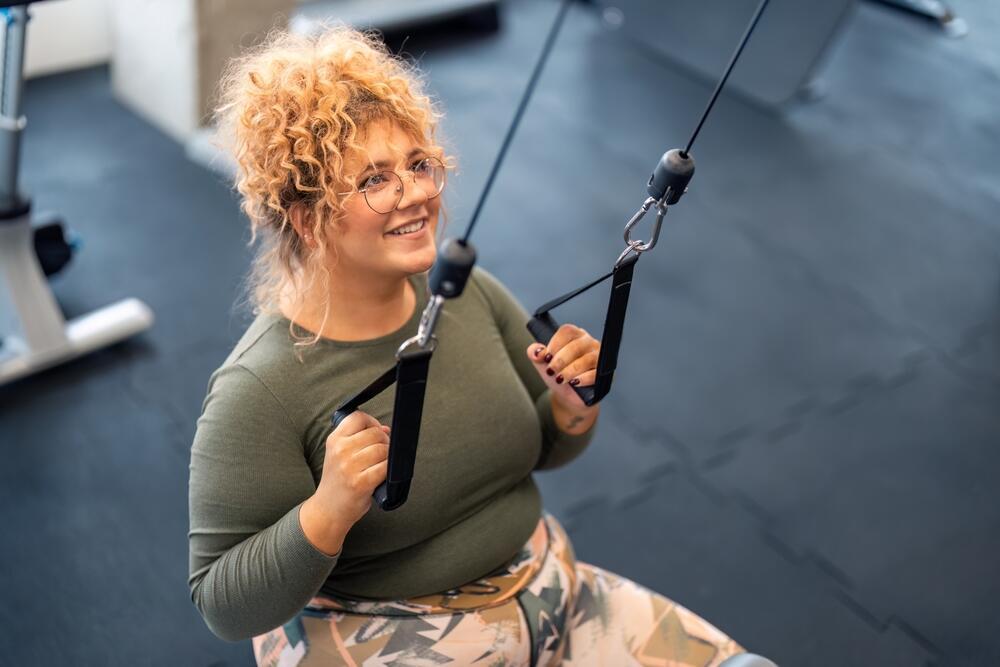
Do they listen when you ask for a different exercise?
(Photo: Shutterstock)
Most importantly, remember that you are not to blame for struggling. There are real reasons behind it. The judgmental inner voice that criticizes you is not your true self. It is a defense mechanism that once tried to protect you. If changing that voice feels difficult, therapy can help, especially with a professional who understands how culture shapes our relationships with our bodies.
Change happens through small, steady steps. When we learn to celebrate those steps instead of criticizing them, we create space for a new, healthier way of living.
- The author is a psychotherapist, host of the podcast “Balanced,” and an activist for healthy body image and self-perception. For Noa Zilberman’s Instagram page.