

Approximately 30% of people living with depression do not achieve meaningful relief from today’s treatments—a gap that translates into profound human suffering and tens of billions of dollars in economic cost. Prof. Itamar Grotto, chairman of PsyRx, argues that “mental health can no longer remain the healthcare system’s backyard.”
Recently listed on the Tel Aviv Stock Exchange, PsyRx is developing a novel treatment for treatment-resistant depression (TRD) based on a low, controlled dose of a psychoactive compound. The approach is designed to work in combination with existing antidepressants, targeting faster and more durable patient outcomes in a market long starved of innovation.

A global depression crisis and the limits of SSRIs
More than 300 million people worldwide suffer from depression, a number that continues to climb. Yet while fields such as oncology and biotechnology have attracted massive investment and scientific breakthroughs, psychiatry—and depression in particular—has seen comparatively little progress.
Widely prescribed SSRI medications such as Prozac and Cipralex fail to provide adequate relief for roughly one-third of patients, leaving an estimated 84 million people globally with persistent symptoms. Despite this scale, the treatment-resistant depression market is still valued at only about $2 billion annually, albeit growing at a double-digit rate of roughly 11%, driven largely by the absence of modern, effective alternatives.
According to Prof. Grotto, psychiatry has long been underfunded and underserved. Research investment has lagged behind other medical disciplines, reinforcing a model focused on managing symptoms rather than repairing underlying neurological dysfunction. That paradigm, he argues, is now beginning to shift.
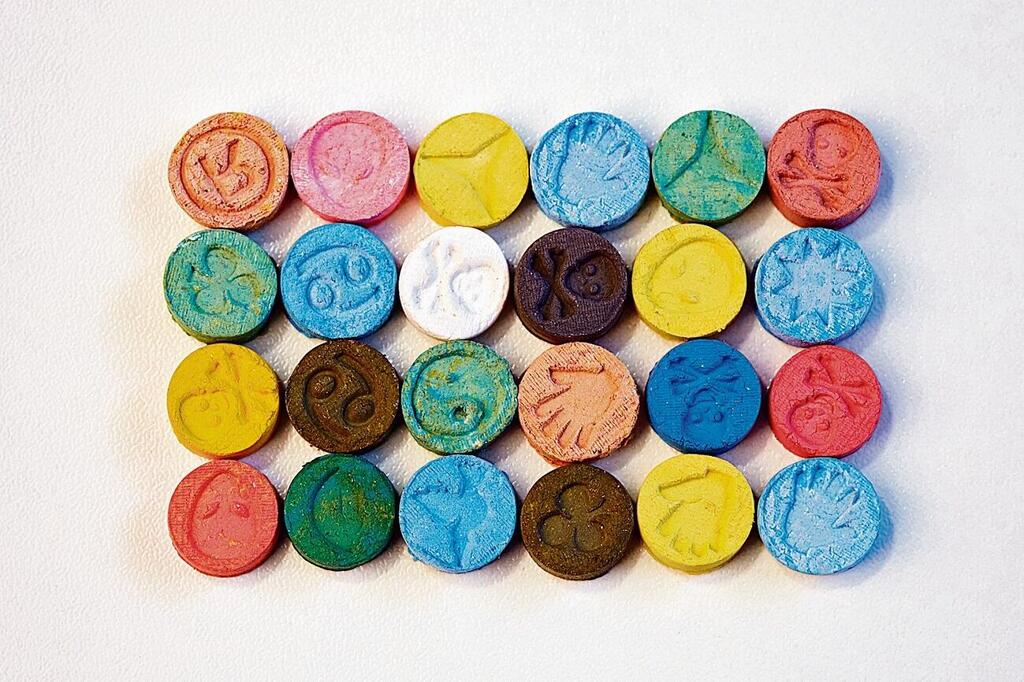
(Photo: Shutterstock)
PsyRx’s approach: combining existing antidepressants with low-dose ibogaine
PsyRx is developing a treatment that combines a commonly prescribed SSRI antidepressant with a very low dose of ibogaine, a naturally occurring psychoactive compound that has been studied for its effects on brain plasticity. Unlike psychedelic-based therapies currently under investigation elsewhere, the company’s approach is designed to avoid inducing a psychedelic experience.
According to Dr. Yaakov Boxdorff, a co-founder and the company’s chief technology advisor, depression is increasingly understood as a disorder involving disrupted brain connectivity. He says the low-dose administration is intended to interact with existing antidepressants, potentially accelerating biological processes linked to recovery, rather than replacing standard drug therapy.
The stated clinical aim is to shorten the time it takes for SSRIs to produce an effect, which typically ranges from several weeks. PsyRx says the low dosage is intended to minimize the psychedelic and cardiac risks that have been associated with higher doses of ibogaine. The treatment is being developed as a standard prescription medication and would not require accompanying psychotherapy, a factor the company says could simplify regulatory review and clinical use.
From research to clinical trials
PsyRx has completed preclinical safety studies and is preparing for first-in-human clinical trials. The company says it plans to submit an application for an initial clinical study in Israel in the first quarter of 2026, pending regulatory approval.
Prof. Itamar Grotto, the company’s chairman and former deputy director general of Israel’s Ministry of Health, says research into psychoactive compounds is entering a period of renewed scientific attention. “In recent years, we’ve begun to better understand brain mechanisms that were previously poorly mapped,” he said. “That has opened new lines of inquiry into how depression might be treated.”
PsyRx’s merger with Cannabotech and its move to become a publicly traded company are intended to fund upcoming clinical trials and support future expansion, including potential entry into the U.S. market. While the treatment-resistant depression market is drawing increased interest from researchers and investors alike, the company’s approach will ultimately be evaluated through clinical data as it progresses through regulatory and trial milestones.