


Foods that once tasted delicious suddenly seem different, meals become less enjoyable, and even a familiar perfume can take on an unpleasant scent. Alongside reduced appetite and weight loss, some people taking GLP-1 medications are reporting changes in their senses of taste and smell. Early studies suggest a possible connection to the treatment, but researchers have yet to establish what causes these changes or how much they contribute to eating less.
"Recently, there have been reports of women noticing changes in how they experience the scent of perfume following treatment with GLP-1 drugs," said Prof. Gal Dubnov-Raz, director of the Pediatric Sports and Overweight Clinic at the Edmond and Lily Safra Children's Hospital at Sheba Medical Center.
Gallery
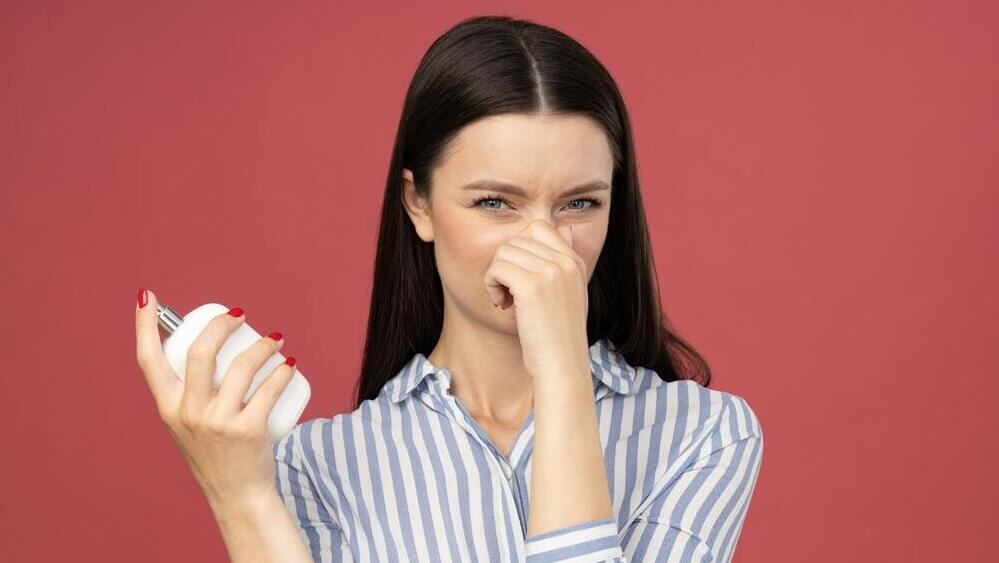
Some patients taking GLP-1 medications report changes in how food tastes and how much they enjoy eating
(Photo: Shutterstock)
"Over the past two years, evidence has accumulated from several directions pointing to a possible effect of these medications on the senses of taste and smell," he said.
The reports have also attracted interest from the fragrance industry. Reuters reported that flavor and fragrance giants Givaudan and IFF, British-owned fragrance manufacturer CPL Aromas and cosmetics giant L'Oréal have explored possible links between GLP-1 treatment and fragrance preferences.
Some companies have identified increased interest in perfume among users and raised the possibility that fragrances offer an alternative source of enjoyment as the pleasure associated with food declines. All emphasized that further research is necessary.
When a favorite perfume suddenly becomes unpleasant
Arnaud Guggenbuhl, Givaudan's global head of marketing for fine fragrance, said the Swiss company has been investigating the possible connection for approximately a year. According to Guggenbuhl, fragrances that users previously loved can suddenly become repellent, while other scents may become more appealing.
Alongside these changes in preferences, the company identified an overall increase in interest in perfumes among GLP-1 users.
 Prof. Gal Dubnov-RazPhoto: Sheba Medical Center
Research conducted by IFF also suggests that treatment with GLP-1 medications may encourage greater interest in fragrance as a source of sensory pleasure, said Celine Manetta, health and wellness director of research and development at IFF Scent.
L'Oréal reached a similar conclusion. "They compensate for the pleasure of food, or pleasure of taste, with other forms of enjoyment," said Laetitia Toupet, global brand president of L'Oréal Paris.
For now, however, this remains a hypothesis that requires further investigation.
Paule Joseph, co-director of the National Smell and Taste Center at the U.S. National Institutes of Health, told Reuters that the possibility of these medications affecting taste and smell is scientifically plausible.
The drugs, which influence appetite, also affect tissue in the olfactory bulb, a part of the brain involved in processing odors. But Joseph cautioned that it is too early to determine whether, or how, these effects might alter a person's perception of smell.
What have the studies found?
According to Dubnov-Raz, some of the evidence comes directly from patients themselves.
"One study examining discussions on a social media platform found reports of changes in the experience of eating, including the taste of food and the enjoyment derived from it. An analysis of spontaneous reports submitted to the FDA's database, which monitors adverse drug reactions, identified similar complaints," he said.
However, such reports cannot establish how frequently these changes occur among people taking the medications.
"Studies of this kind cannot determine prevalence. Further research is needed for that," Dubnov-Raz emphasized.
More substantial data came from a large retrospective study by two Israeli researchers, published in JAMA Otolaryngology–Head & Neck Surgery.
The researchers compared more than 438,000 patients with type 2 diabetes who had been treated with GLP-1 medications with an equally sized group of patients receiving other diabetes treatments.

Weight-loss injections: Researchers are still investigating whether changes in taste contribute to reduced food intake during treatment
(Photo: Shutterstock)
Over a two-year period, patients receiving GLP-1 medications had a 48% higher relative risk of receiving a new diagnosis involving a taste or smell disturbance.
Despite the increased relative risk, the absolute frequency remained low: fewer than four patients per 1,000 in the GLP-1 group, compared with approximately two per 1,000 in the comparison group.
The association was particularly pronounced for smell disorders, with an 81% higher relative risk, while the relative risk of taste disorders was 52% higher.
An important limitation is that the study examined people being treated for diabetes, not patients who were prescribed the medications specifically for obesity. Moreover, as an observational study, it cannot establish that the drugs themselves caused the sensory changes.
"Alongside this observational evidence, another study examined taste function in 46 patients receiving treatment compared with a group that was not receiving the drugs," Dubnov-Raz said.
That study, conducted by researchers at the University of Pennsylvania and published in Physiology & Behavior, found significantly poorer taste performance among GLP-1 users across all five basic taste categories: sweet, salty, sour, bitter and umami.
In fact, 85% of the patients receiving the medications performed worse on taste tests than their individually matched counterparts in the control group. However, the study did not find a statistically significant decline in smell function.
The findings also revealed a surprising discrepancy between objectively measured taste performance and patients' own perceptions. Fewer than one-quarter of those taking the medications reported noticing a decline in their sense of taste.
"It is still unclear to what extent these changes contribute to reduced food intake during treatment," Dubnov-Raz said.
Several possible mechanisms are under investigation. They include direct effects of the medications on taste-related pathways in the brain and brainstem, changes in how the central nervous system processes taste or smell, and indirect effects associated with reduced appetite.
"Of course, further research is needed to better understand the impact," he added.
Do weight-loss drug users need specially designed perfumes?
The fragrance industry's interest is understandable, particularly given the growing number of people using GLP-1 medications. But evidence of changing consumer behavior does not necessarily mean that the drugs are altering how people experience scents.
A U.S. market study by research company NIQ found that GLP-1 users spend 26% more on perfumes than the average consumer.
However, the same research found that these consumers also spend more in most beauty and personal care categories. The higher spending on perfume therefore cannot, by itself, be interpreted as evidence that treatment has changed their fragrance preferences.
Dubnov-Raz believes it is far too early to develop perfumes specifically for people receiving GLP-1 medications.
"It appears that additional effects of these medications are gradually coming to light, whether through dedicated research, social media communities or the impressions of people using them," he said.
"Given the low frequency of the reports, and despite the limitations of the small number of studies published so far, there does not appear to be a need to develop dedicated perfumes at this stage."
For now, the emerging findings raise intriguing questions about how medications designed to regulate appetite might also influence sensory experiences beyond food. But the distinction between patient reports, statistical associations and proven biological effects remains essential.
The possibility that a favorite food or perfume could suddenly seem different is worthy of investigation. Whether these changes are caused by GLP-1 treatment, and why they occur in some users but not others, remains an open scientific question.