

Despite growing awareness of sun safety, many misconceptions persist, putting our skin at unnecessary risk. Proper protection is the most effective way to prevent skin cancer and premature aging.
Here are 20 common myths about sun exposure, sunscreen and tanning and the facts behind them:
Myth #1: “You don’t need sunscreen on cloudy days”
Fact: UV radiation penetrates cloud cover, with up to 80% of harmful rays reaching the skin even on overcast days. In some cases, clouds can reflect rays and increase exposure.
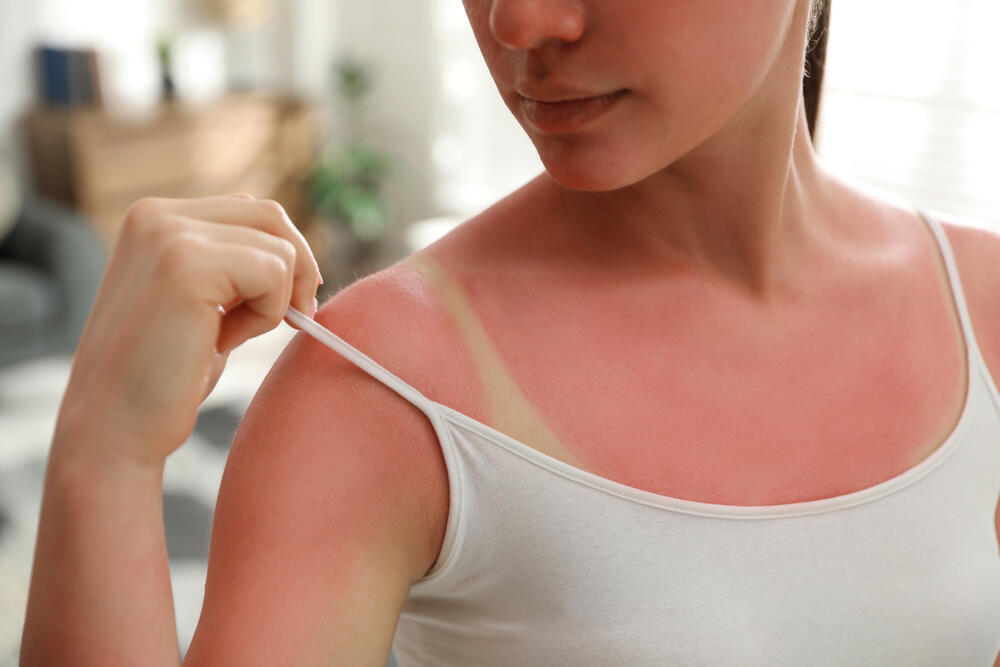
Myth #2: “People with dark skin don’t need sun protection”
Fact: While those with darker skin tones have a lower risk of melanoma, they are still vulnerable to other sun-related damage such as premature aging, dark spots and other types of skin cancer, which are often diagnosed at more advanced stages.
Myth #3: “One application of sunscreen lasts all day”
Fact: Sunscreen loses its effectiveness after about two hours, and even sooner if you're swimming, sweating or towel-drying. For extended sun exposure, reapply every two to three hours.
Get the Ynetnews app on your smartphone: Google Play: https://bit.ly/4eJ37pE | Apple App Store: https://bit.ly/3ZL7iNv
Myth #4: “A small amount of sunscreen is enough”
Fact: Most people apply only a quarter to a third of the recommended amount. The guideline is one tablespoon for the entire body and a full teaspoon for the face and neck.

Most people apply less than the recommended amount
(Photo: Shutterstock)
Myth #5: “Using high-SPF sunscreen means I can stay in the sun longer”
Fact: SPF, or Sun Protection Factor, measures how much longer you can stay in the sun before burning compared to non-application of sunscreen. For example, if it takes your skin to burn after 10 minutes of sun exposure without using any protection, then SPF 30 theoretically allows sun exposure of 300 minutes (30 times more exposure) before the same burning happens. However, SPF only measures protection against UVB rays, but does not include UVA rays, which cause aging and deep skin damage.
Myth #6: “Glass protects me from the sun”
Fact: UVA rays can penetrate standard glass, meaning your skin is still at risk even indoors, in cars or near windows. Daily use of sunscreen is advised even when inside.
Myth #7: “Sunscreen reduces vitamin D production”
Fact: Sunscreen can reduce vitamin D production, but 10 to 15 minutes of sun exposure a few times a week, combined with a balanced diet, is enough to maintain healthy levels.
Myth #8: “All sunscreens are the same; SPF is all that matters”
Fact: SPF only measures protection against UVB-induced sunburn. Choose a broad-spectrum sunscreen that also shields against UVA, which causes premature aging and increases the risk of cancer. Some products also help protect against blue light and air pollution, which are emerging skin health concerns.
Myth #9: “Tanning beds offer a safe tan”
Fact: There’s no such thing as a 'safe tan'. Tanning is a sign of skin damage. Tanning beds emit high levels of UVA radiation, significantly increasing the risk of melanoma and premature aging. According to the International Agency for Research on Cancer, tanning beds raise melanoma risk by up to 75%.

There’s no such thing as a 'safe tan'
(Photo: Shutterstock)
Myth #10: “Natural sunscreens are safer”
Fact: “Natural” is not a regulated term in the cosmetics industry. Some 'natural' sunscreens may cause allergic reactions and lack scientific backing. It’s important to choose dermatologist-tested products suited to your skin type and condition, whether labeled natural or not.
Myth #11: “I stay in the shade, so I don’t need sunscreen”
Fact: Even in the shade, there is exposure to reflected or scattered sunlight. Up to 40% of UV rays can still reach you even when sitting under a parasol, especially at the beach, where sand and water bounce sunlight back toward your skin.
Myth #12: “Kids’ sunscreen works just as well for adults”
Fact: While children’s sunscreens are generally safe for adults, they’re often formulated with fewer cosmetic ingredients and may be greasier. Adults with oily or acne-prone skin may benefit from sunscreens designed for their specific needs.

Children's sunscreen may be greasier
(Photo: Shutterstock)
Myth #13: “My makeup contains SPF - that’s enough”
Fact: Most SPF-containing cosmetics don’t provide adequate concentration or coverage. To ensure full protection, apply dedicated sunscreen underneath your makeup.
Myth #14: “The lips and eyes don’t need sun protection”
Fact: Lips and eyes are among the most vulnerable areas. Sun exposure can contribute to oral cancers and cause UV damage to the eyes, which may lead to cataracts and macular degeneration. Use lip balm with SPF and wear sunglasses with UV protection.

It's important to wear sunglasses with UV protection
(Photo: Shutterstock)
Myth #15: “It’s too late to start using sunscreen”
Fact: Research shows that starting to use sun protection at any age reduces the risk of skin cancer and slows visible aging. It’s never too late to begin.
Myth #16: “Water-resistant sunscreen remains effective also after swimming”
Fact: “Water-resistant” means the product remains effective for 40 to 80 minutes in water. After that, or after towel drying, sunscreen needs to be reapplied.
Myth #17: “Sunscreen causes acne”
Fact: Some sunscreens can clog pores, but many non-comedogenic options are designed for acne-prone skin. Choose one suited to your skin type.
Myth #18: “Homemade natural sunscreen is just as good”
Fact: Despite trending DIY advice on TikTok, homemade sunscreens typically lack effective SPF levels and scientific backing. For example, coconut oil offers only SPF 4 to 7, which is far below the recommended SPF 30 or higher.
 Dr. Sivan Mercer
Myth #19: “You need to wait 20 minutes after applying sunscreen before going out”
Fact: It depends on the type. Chemical sunscreens do require 15 to 20 minutes to absorb and start working. Physical (or mineral) sunscreens, which are based on zinc oxide or titanium dioxide, start working immediately upon application.
Myth #20: “Sun protection is only necessary in the summer”
Fact: UVA rays, which cause skin aging and long-term skin damage, are present year-round and can penetrate clouds. That’s why dermatologists recommend daily sun protection, regardless of the season.
Bottom line: Sun protection is one of the best long-term investments in your skin health. Daily use adds up, and it’s never too late to start.
- Dr. Sivan Mercer is a specialist in dermatology, aesthetics and laser treatments.