

A new study from Japan suggests that a traditional Japanese diet, rich in vegetables, fermented fish and seaweed, can significantly reduce symptoms of depression among workers, regardless of age, gender or workplace stress levels. The findings strengthen the growing evidence connecting nutrition to mental health.
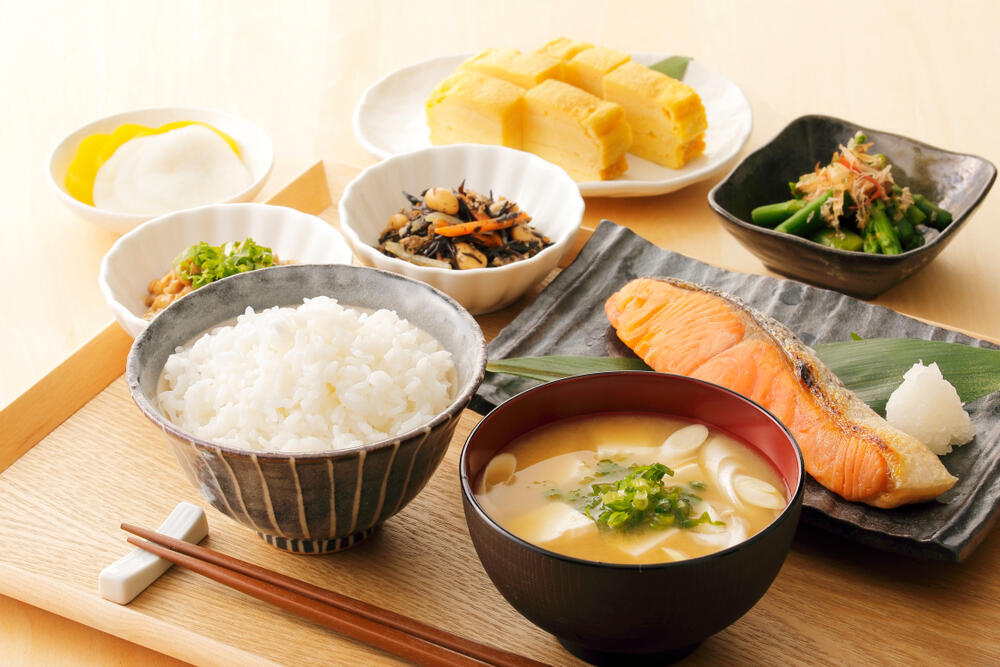
Researchers found that maintaining a traditional Japanese eating pattern, known as the Washoku diet, may help ease symptoms of depression. The diet is based on high consumption of vegetables, fermented foods, rice, miso soup and fish, especially salmon, trout and mackerel. It also includes soy products, cooked vegetables, mushrooms, seaweed and green tea.
The study, conducted by the Japan Institute for Health Security, was published in the journal Psychiatry and Clinical Neurosciences.
Researchers surveyed about 12,500 workers at five major companies in Japan between 2018 and 2021.
The results showed that those who ate the most washoku were 17% to 20% less likely to show symptoms of depression, low moods, anxiety or stress compared to those who ate it the least.
Participants were scored based on how closely their eating habits aligned with the Washoku model. A separate, modified version of the diet that emphasized fruit, raw vegetables and minimally processed grains, alongside reduced salt intake, also showed mental health benefits.

Those who ate the most Washoku were less depressed
(Photo: Shutterstock)
These positive effects held even after controlling for variables such as age, gender and work-related stress. However, the benefits were less pronounced among employees facing especially high workloads.
Researchers attributed the outcomes in part to the high folate content in these foods, which supports the production of serotonin and dopamine, as well as to antioxidants found in the diet that may also help reduce oxidative stress in the brain.
Additionally, the umami flavor distinctive to Japanese cuisine was noted for stimulating the parasympathetic nervous system, which promotes relaxation.
According to Tom’s Guide, the link between diet and mood has been studied for years, with increasing interest over the past decade. The gut-brain axis, connecting digestive health to emotional well-being, is now considered central to mood regulation.

There is link between diet and mood
(Photo: Shutterstock)
While physical activity is widely recognized for its impact on mental health, nutrition may play an equally important role. For some individuals, dietary changes serve not just for weight loss but also as a way to reduce depressive symptoms.
Experts recommend those interested in adopting the Washoku approach swap white rice for whole or minimally processed grains and incorporate more fruit, dairy, fatty fish, leafy greens, fermented soy products like miso or tofu and seaweed.
At the same time, it's advisable to cut back on processed snacks, sugary drinks and red meat.
Still, nutrition is highly individual; what works for one person may not suit another. Health professionals advise consulting a registered dietitian or licensed physician for personalized guidance.