

The weight-loss drug revolution that began with injections is now moving into pill form, and the rush is already underway in the United States.
After the FDA approved an oral version of Wegovy in late 2025, the first GLP-1 receptor agonist pill designed to treat obesity, expectations were high. But even drugmakers and analysts may not have anticipated the scale of demand. Within 10 weeks, according to the companies’ figures cited in the report, some 400,000 Americans had begun taking it, 80% of them people who had never used weight-loss injections before.
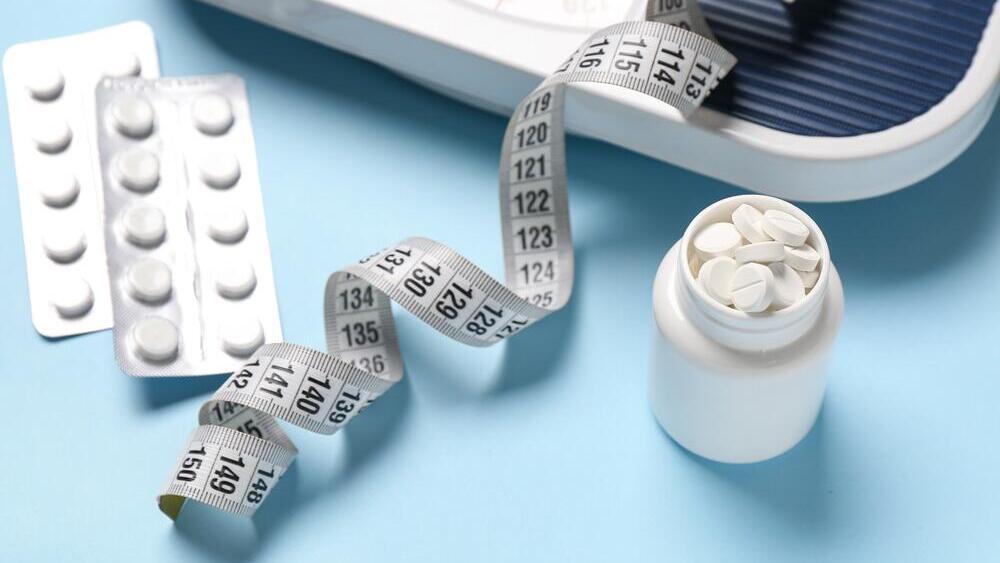
Four months later, Eli Lilly launched its competing weight-loss pill, orforglipron, marketed as Foundayo. It belongs to the same family of GLP-1-based treatments that, until recently, were best known as injections. The company says that within a short time after its April launch, at least 20,000 Americans had started using the drug and more than 8,000 doctors had prescribed it.
The question now facing doctors, patients and health systems is whether pills will gradually take the place of injections, or whether they will become part of a broader strategy for long-term obesity treatment.
Analysts are already revising their forecasts. Goldman Sachs estimates that weight-loss pills could account for about a quarter of the global obesity drug market by 2030. Morgan Stanley projects that the combined market for injectable and oral obesity drugs could reach $150 billion by 2035, ten times the estimated $15 billion market in 2024.
The new pills belong to the GLP-1 receptor agonist family, which has transformed obesity medicine over the past decade. These drugs mimic the effect of the human GLP-1 hormone on the brain. The hormone is naturally secreted by the small intestine after eating and helps suppress appetite, increase satiety and reduce food cravings.
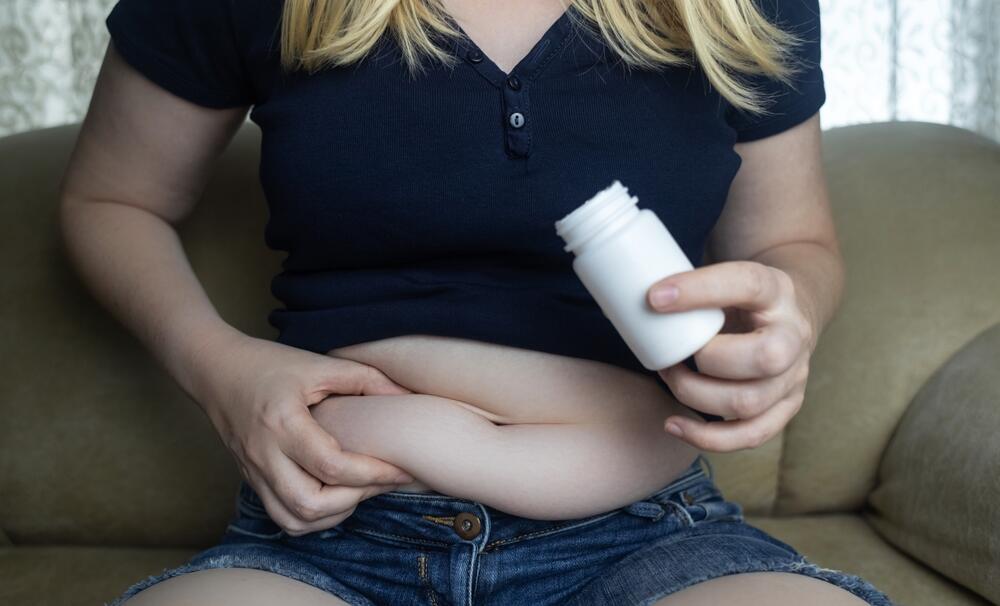
Goldman Sachs estimates that weight-loss pills could account for about a quarter of the global obesity drug market by 2030
(Photo: Shutterstock)
Until now, leading obesity drugs in this family, including Wegovy and Mounjaro, were given by subcutaneous injection. The arrival of pills offers a similar biological pathway without the needle.
“The general fear of drug treatment by injection has declined significantly in recent years because of the popularity of weight-loss injections,” says Dr. Lior Neuman, a family medicine specialist at Maccabi Healthcare Services and a physician specializing in diabetes and obesity. “At the same time, I believe there is a large group of people dealing with obesity who want drug treatment but avoid it because they do not have the option of taking pills.”
He adds that some patients already using injections would also prefer switching to pills, which many still view as more convenient and familiar, as with most chronic diseases.
The weight-loss results are encouraging, though still somewhat below the most powerful injections.
Novo Nordisk’s OASIS 4 trial showed an average weight loss of 16.5% over 68 weeks with oral Wegovy, containing 25 mg of semaglutide. One in three participants lost at least 20% of their body weight.
Eli Lilly’s ATTAIN-1 trial showed an average weight loss of 14% over 72 weeks with the highest dose of orforglipron, containing 36 mg of the active ingredient.
 Dr. Lior NeumanPhoto: Hila Shahar
Those are significant results, but they do not yet match the strongest injectable options. A newer, higher-dose version of Wegovy, containing 7.2 mg of semaglutide and not yet available in Israel, and high doses of Mounjaro, containing 10 or 15 mg, have been shown to produce average weight loss of more than 20% over a similar period.
In other words, the pills appear to work, but they have not fully caught up with the most powerful injections.
Still, data presented recently at the European Congress on Obesity in Istanbul offered an important clue. In the OASIS 4 trial, nearly one-third of patients taking oral Wegovy were “early responders,” meaning they lost at least 10% of their weight within four months. Among those patients, the average weight loss by the end of the 68-week study reached 21.6%, a result that competes directly with injectable drugs.
“These findings can help us in daily clinical practice, in predicting the percentage of weight loss and making a shared decision with the patient about whether to continue the new pill or move to the more traditional injection,” Dr. Neuman says.
For example, he explains, a patient with severe obesity who loses only a few percent of body weight after several months on the pill may be advised to switch to an injection to maximize weight loss. But if the same patient loses 10% or more within that early period, doctors may recommend continuing oral treatment, since the expected final result may be close to what is achieved with injections.
The two pills work differently from a formulation standpoint.
Human GLP-1 is a protein, a large molecule made of amino acids. Classic GLP-1 receptor agonist drugs are made from peptides, smaller molecules also built from amino acids. Because peptides can break down easily in the acidic environment of the stomach, the field initially focused on injections.
Novo Nordisk chose to continue using semaglutide, the same active ingredient found in Wegovy and Ozempic injections. To protect it from breakdown in the stomach, the peptide is combined with a chemical component known as SNAC, which lowers acidity and helps it pass through the stomach lining into the bloodstream.

Is it better to switch to the new pill or stick with the injection?
(Photo: Shutterstock)
That mechanism comes with strict instructions. The pill must be taken on a completely empty stomach, preferably in the morning, with only a small amount of water, at least 30 minutes before eating, drinking or taking other medications.
“If you don’t take the Wegovy pill exactly as required, very little of the drug is absorbed at all,” Dr. Judith Korner, an endocrinologist and director of Columbia University’s Weight Control Center, told CNN.
Eli Lilly took a different route. Rather than turning tirzepatide, the active ingredient in Mounjaro, into a pill, it developed orforglipron, a small synthetic non-peptide molecule that is more resistant to breakdown in the digestive system. That means it can be taken at any time of day, with or without food.
“That’s why orforglipron would be my choice for patients who want a GLP-1 pill,” Korner told CNN. “I want to take the question of whether the patient is taking the pill correctly out of the equation.”
The pills have another major advantage: they do not require refrigeration. That could make them easier to distribute widely in countries such as India, Brazil and China, regions where injectable drugs have been harder to scale. Those areas are home to around 40% of the world’s population and roughly one-third of adults living with obesity.
But the most important new finding may be about what happens after injections.
A study presented at the same obesity congress in Istanbul and published in Nature Medicine examined a question that has not received enough attention: what happens to people after they stop taking weight-loss injections?
Until now, studies of people who stopped treatment without switching to another drug have shown a discouraging pattern. Many regain about two-thirds of the weight they lost within a year after stopping injections.
The GLP-1 Transition Trial followed 376 American patients who used Mounjaro or Wegovy injections for 72 weeks and then switched for another year to either orforglipron or a placebo. Patients who moved from Mounjaro to orforglipron maintained nearly 75% of their weight loss, compared with 49% in the placebo group. Those who moved from Wegovy to orforglipron maintained nearly 80% of their weight loss, compared with just 38% in the placebo group.
“Many people do not want to remain on injections indefinitely, because of treatment burden, convenience, storage, cost or personal preference,” Dr. Marie Spraekley of the University of Cambridge told The Guardian. “The option of switching to an oral medication while maintaining a substantial portion of weight loss may represent an important option in long-term obesity care.”
Prof. Dror Dicker, an obesity specialist and head of Internal Medicine Department D at Hasharon Hospital, part of Clalit Health Services, took part in one of the studies presented at the congress. He says the findings point to a new treatment logic.
“With injections, which are a more powerful treatment, we will reach the highest health achievement, and then stabilize treatment for the rest of life with pills,” he says. “That is how I see it. We have already conquered weight reduction, but the great challenge is maintaining it for the rest of life.”
The broader story is not only about kilograms lost. Clinical data show that GLP-1 drugs can also help treat conditions associated with obesity, including cardiovascular disease, prediabetes and diabetes, high blood pressure, and kidney and liver diseases.
According to Dicker, focusing only on the number of kilograms lost can miss the bigger picture. “People who lost only 9% of their weight prevented death and morbidity from heart disease by 20%,” he says. “People who lost about 10% achieved improvement in liver health that we did not think was possible.”
Dr. Neuman says obesity should be treated as a root cause of many other diseases.
“Obesity is the mother of all diseases, and when you treat the root of the problem, many illnesses receive partial or full relief, not to mention the significant improvement in daily functioning, sleep quality, vitality and patients’ self-confidence,” he says.
Still, the pill revolution comes with warnings.
Like other GLP-1 receptor agonists, the new pills can cause side effects, mainly involving the digestive system. Orforglipron may also reduce the effectiveness of birth control pills taken at the same time, especially in the first weeks of treatment or when the dose is increased. It may also interact with other drugs, including simvastatin, a commonly used cholesterol-lowering medication, requiring careful medical monitoring.
Dicker warns of another risk: the use of weight-loss drugs by people who do not have obesity.
“The body has a natural balance point between hunger and satiety, which directs weight to a certain range. In people with obesity, that point is disrupted, and the medication corrects it,” he says. “On the other hand, someone whose balance point is normal and decides to take medication to go below their natural weight may discover that when treatment stops, the body tries to compensate and rises beyond the original healthy weight, and that can cause harm.”
There is also the question of price. Obesity drugs in Israel have largely failed to enter the national health basket, except for Wegovy injections for adolescents with obesity. In the U.S., both drugmakers set the initial starting price for the low dose at $149 a month. Patients with private health insurance may pay around $25, far less than the cost of injections.
As for Israel, orforglipron is expected to arrive in early 2027, though its price has not yet been announced. Oral Wegovy may reach Israel earlier, possibly this year, but the exact timing and cost remain unclear.
“We in Israel are usually among the first to receive these technologies,” Dicker says. “I hope that in the coming months we will be able to see this here as well.”
Neuman stresses that drug treatment for weight loss, whether by pill or injection, must always be accompanied by lifestyle changes, including healthy nutrition and regular physical activity, especially strength training to preserve muscle mass. That was also the approach used in the clinical studies, he notes.
Patients should also remain under regular medical supervision, ideally with at least a physician and dietitian involved.
“Treatment with these medications is absolutely not one and done,” Neuman says. “It is a long road that naturally includes obstacles, and it is important for patients to be supported by professionals trained for this, who can accompany them hand in hand and make sure the process is controlled and safe.”