


“Every siren and explosion takes me back to combat. I see the battlefield in front of me, gunfire, and interceptions. In those moments, there is nothing in my mind except the fighting.”
For Eitan Yahalom, 22, from Petah Tikva, this is not a metaphor. It is daily reality.
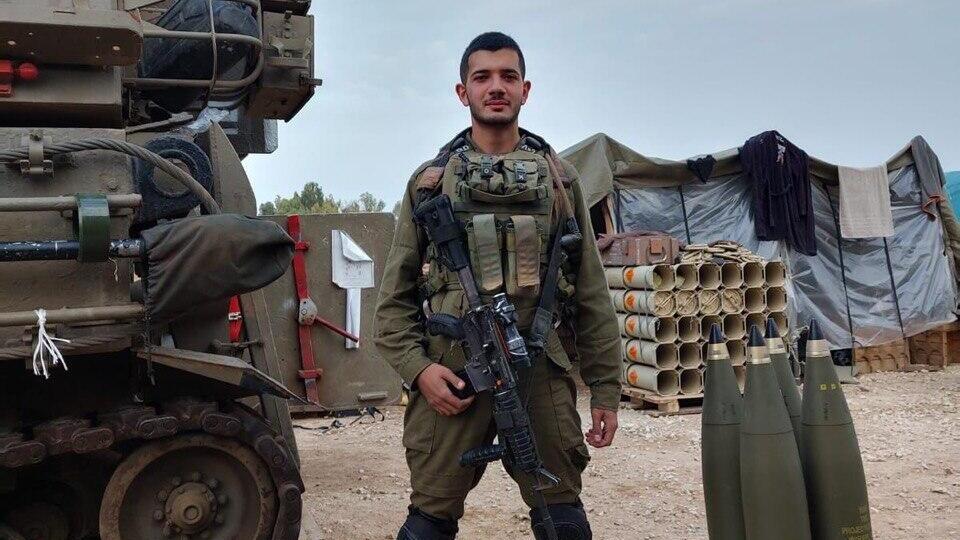
Yahalom, a former artillery soldier who fought in Gaza and Lebanon, was discharged from the army about a year ago after being diagnosed with post-traumatic stress disorder. Since the outbreak of the war with Iran, he says the constant sirens and blasts have reopened the trauma he has been trying to overcome.
“Every siren and explosion throws me back into combat mode,” he said. “Suddenly I’m again in uniform, seeing the battlefield in front of me, hearing gunfire and interceptions. It triggers intense anxiety.”
Yahalom served during the war that began on October 7 and recalls being stationed near the Gaza border, where the sound of artillery fire and interceptions left a lasting imprint.
“I still hear the booms of our cannons constantly,” he said.
The first signs of PTSD appeared when he returned home from fighting in Lebanon.

Eitan
“One time, I came home and heard a siren. I panicked and thought I was back on the battlefield,” he recalled. “I started looking for my gear, my vest and my weapon.”
While serving in the military, he had grown accustomed to explosions and alarms. Paradoxically, it was the quiet of civilian life that triggered the flashbacks.
“I would suddenly hear sirens in my head and mentally return to the battlefield.”
The renewed fighting with Iran has made recovery far more difficult.
“I had begun rebuilding my civilian routine and the triggers were slowly fading,” he said. “But the latest sirens and explosions are dragging me back. I’ve started having constant nightmares about things I experienced during the fighting.”
Although he receives psychiatric treatment and medication, he says functioning has become difficult.
“I can’t work and I hardly leave my house, which is next to a protected room,” he said. “The war reignites the trauma both physically and emotionally.”
Waiting awake for the sirens
Alon Katz, 39, from Haifa, was released from the army in 2007 after serving in the Second Lebanon War. Nearly two decades later, he says the war has never truly ended.
“During the fighting, I found myself in very complex situations,” he said. “Two years after my discharge I began experiencing symptoms I had never known before, including anxiety attacks triggered by different stimuli.”
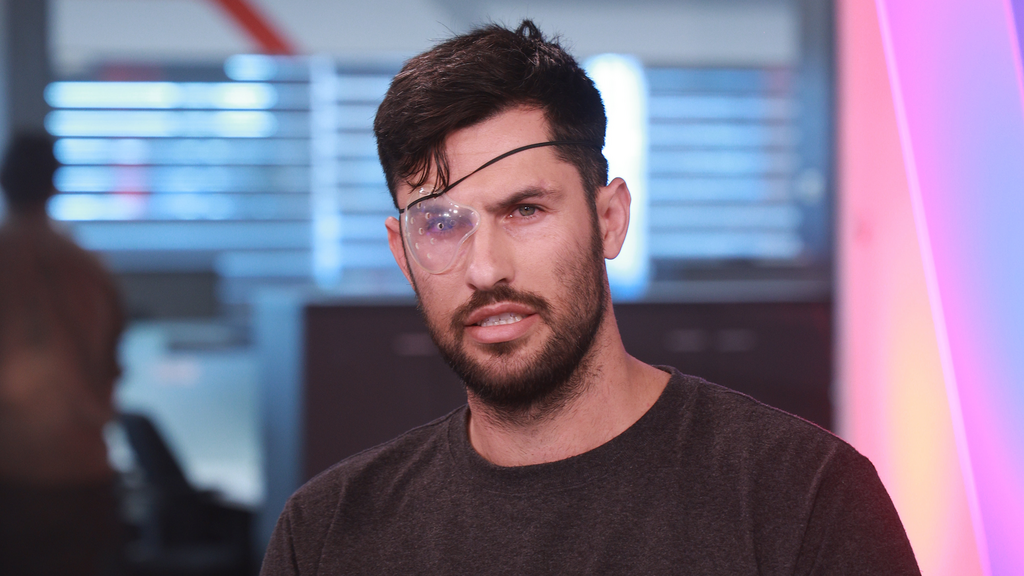
Alon Katz
(Photo: Avigail Uzi)
Since then, he has learned to live with PTSD. A service dog helps him cope with the symptoms, but sleep remains difficult.
“My anxiety mainly comes at night,” he said. “It’s hard for me to relax, close my eyes and fall asleep.”
Even when he does sleep, Katz says he wakes dozens of times a night because of sleep apnea, nightmares or both. During wartime, the symptoms intensify.
“Last night I stayed awake waiting for the sirens,” he said. “I prefer they don’t catch me by surprise while I’m asleep.”
Even the vibration of a phone can trigger anxiety.
“Any sound immediately makes me think it’s the Home Front Command alert,” he said. “That can push me straight into a panic attack.”
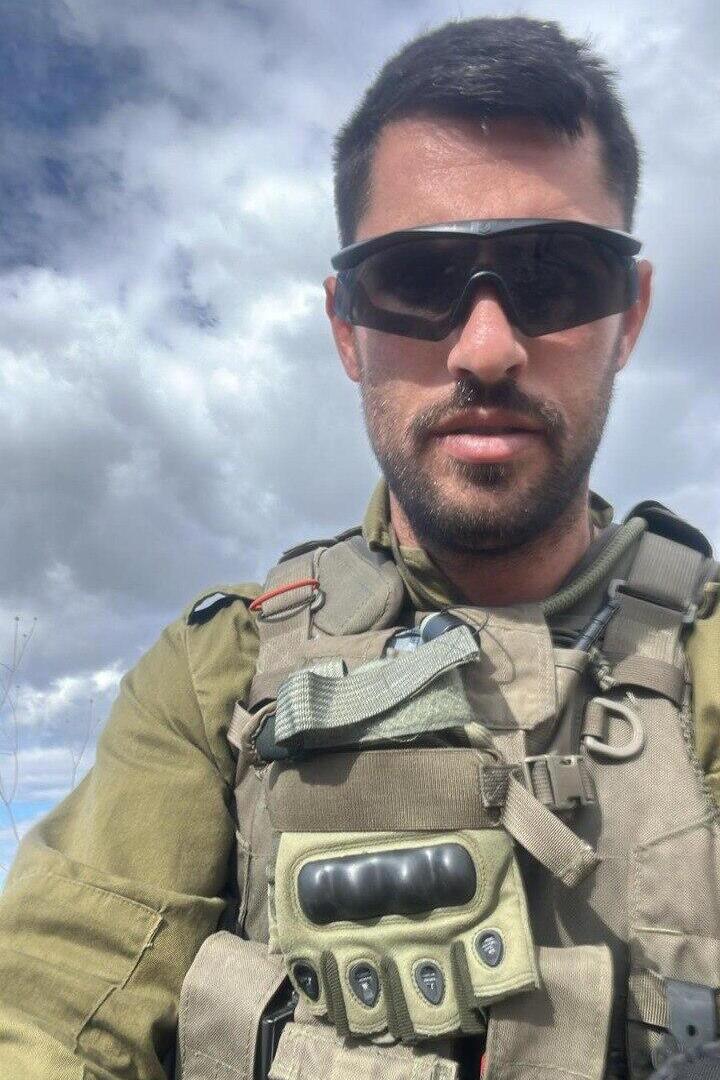
Katz
Despite no longer being in uniform, Katz says the struggle continues.
“I’m still fighting, just not on the front line but on the home front,” he said. “Combat veterans with PTSD live in constant battle, and days like these are especially triggering.”
When no one listens
Yuval Fisher, 21, from Harish, enlisted in the Nahal Brigade in March 2023. After the October 7 attacks, before completing his combat training, he was deployed with his unit to Kibbutz Mefalsim near the Gaza border.
A rocket landed about four meters away from him.
That day, he also came under mortar and anti-tank fire. Since then, he has suffered from PTSD.
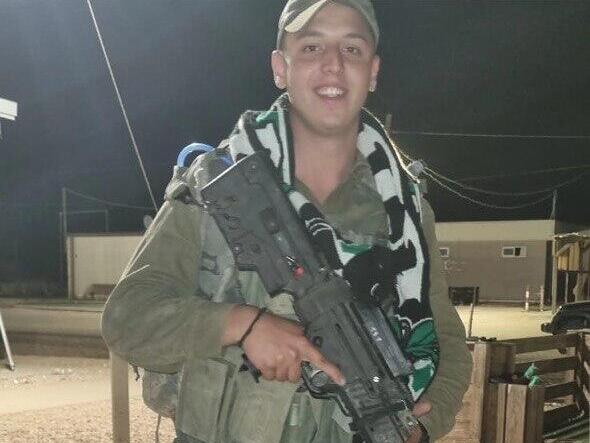
Yuval Fisher
“At first I didn’t give it much importance,” he said. “But I asked to speak with a commander from the battalion and unfortunately didn’t really receive help.”
When he returned to base, the symptoms intensified.
“Every small noise startled me and pushed me into anxiety,” he said.
He said he asked to see a mental health officer, but initially received no response. His distress worsened and he was also ostracized by fellow soldiers.
Feeling isolated, Fisher attempted to take his own life.
“I went to the dining hall and people shouted at me: ‘Get out of here, you’re not part of us,’” he said.
Later that day, in the base restroom, he loaded his weapon, intending to shoot himself. A soldier from another unit happened to pass by and stopped him.
“You could say he saved my life,” Fisher said.
After the incident Fisher was transferred to a logistics unit near the Gaza border, where a female officer recognized his distress and arranged for him to meet a military mental health officer within hours.
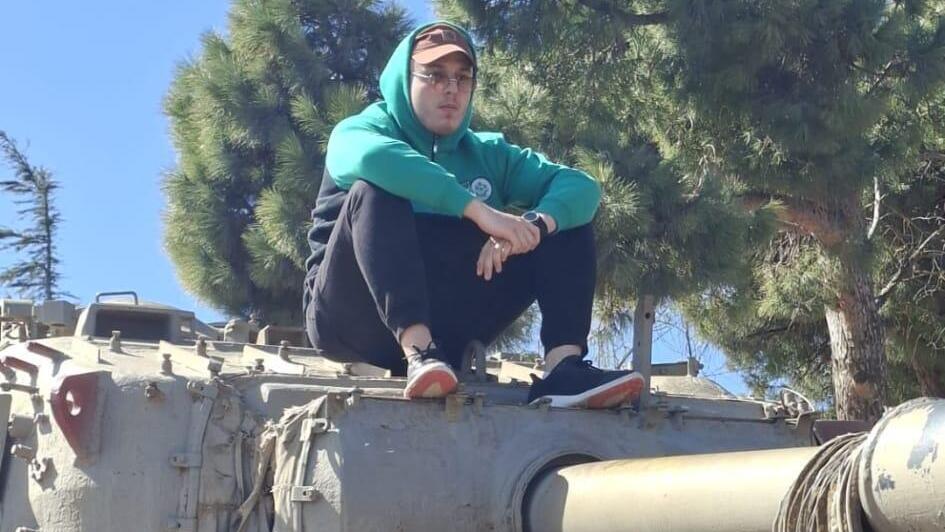
Yuval: 'I barely leave the house and sometimes stay in bed for days'
'These days trigger the memories'
Since the renewed conflict with Iran, Fisher says his symptoms have worsened again.
“I barely leave the house now,” he said. “Some days I don’t even get out of bed.”
He describes waking from sleep screaming, soaked in sweat, after reliving combat scenes in dreams.
“When the sirens start I shake all over,” he said. “The sound of interceptions pushes me into intense anxiety and a deep sense of existential fear.”
Nadav Virsh, chairman of the “Combat Diamonds” forum and himself a veteran diagnosed with PTSD, said the current security situation is triggering renewed symptoms for many former soldiers.
“These days bring back combat memories for many fighters,” he said. “Sirens, explosions and public discourse full of military terms can return the body and mind to a state of high alert.”
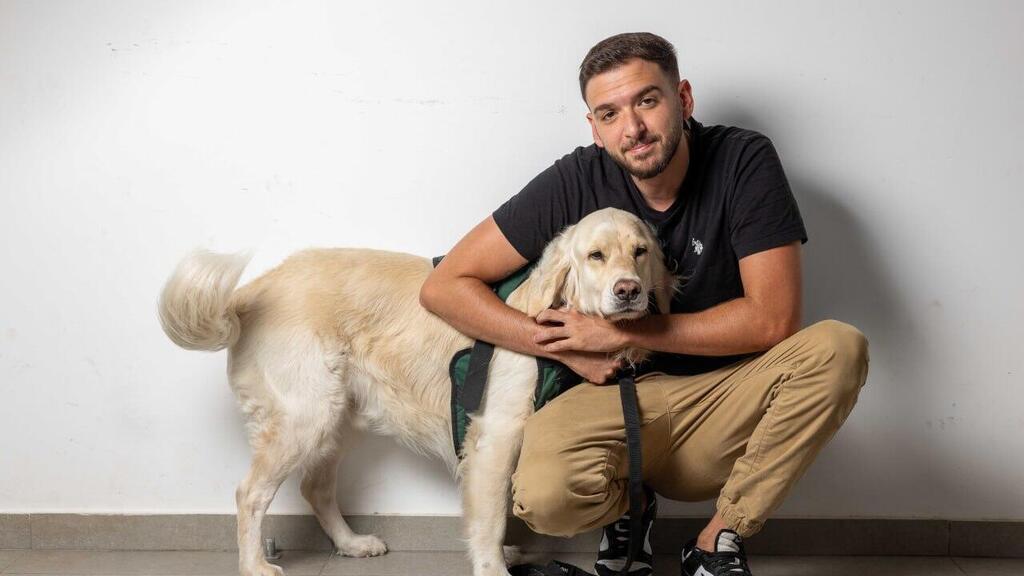
Nadav Virsh and his service dog
(Photo: Tal Shahar)
He said many veterans report increased triggers, sleep difficulties and rising tension within families.
“PTSD among combat veterans stems from experiences of fighting and bravery,” he said. “These individuals are not weak. They are people living with a complex wound who choose every day to cope, seek help and support each other.”
Practical tools for coping
Alongside professional treatment, experts say several practical tools can help during sirens or rocket alerts.
Hagai Mazali, director of the Kfar Izun rehabilitation center operated by the Izun nonprofit, said there is no single solution that works for everyone.
“Because this is not the first time we have experienced sirens, people can learn what helps them cope,” he said.
One key recommendation: do not face sirens alone.
“Always be in the protected room or shelter with a close friend or family member,” he said.
Other strategies include creating a routine for entering the shelter, reminding oneself verbally that the space is safe, practicing slow breathing to calm the nervous system, bringing a comforting object such as music or a stress ball, limiting exposure to news during attacks and talking openly about feelings after the event.
Experts also urge families to support those dealing with PTSD by maintaining calm, recognizing signs of emotional overwhelm and encouraging professional help if symptoms worsen.
“Community, friends and family can become a real source of strength,” Virsh said. “Even in a complex security reality, we still have the ability to stand together, support one another and build resilience.”