


A ketogenic diet produced a substantially greater reduction in liver fat and stronger improvements in several measures of blood sugar control than Mediterranean or very-low-fat diets, despite participants in all three groups losing about the same amount of weight, according to a randomized clinical trial published in Cell Metabolism.
The study focused on people with obesity, prediabetes and fatty liver disease. Participants following the ketogenic diet reduced their liver fat by 67%, compared with 45% among those following either a Mediterranean diet or a very-low-fat, plant-forward diet.
Gallery
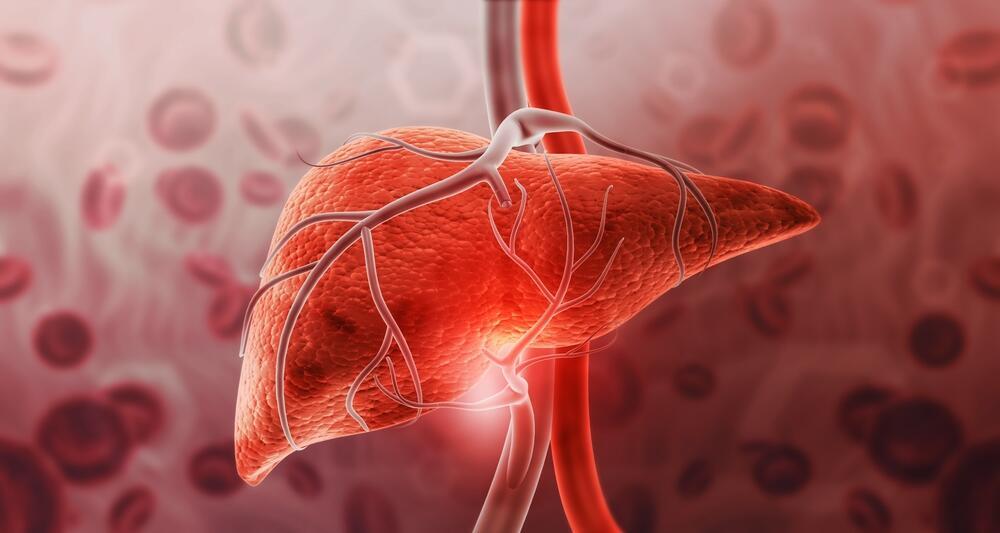
Keto diet delivers bigger drop in liver fat and blood sugar than rival diets
(Photo: Shutterstock)
About half of those in the ketogenic group also no longer met the criteria for prediabetes at the end of the study, compared with 29% in the Mediterranean group and 7% in the low-fat group.
Prof. Ziv Ben Ari, director of the Center for Excellence in Liver Medicine at Assuta Medical Centers and one of Israel’s leading liver specialists, said the results were particularly notable because weight loss was almost identical across the three groups.
“Among 55 people with obesity, prediabetes and fatty liver, a ketogenic diet that produced weight loss of about 10% led to a 67% reduction in the amount of liver fat,” Ben Ari said. “That compares with a 45% reduction among those who received a Mediterranean diet or a very-low-fat diet, two diets that also led to similar weight loss.”
A ketogenic, or keto, diet severely restricts carbohydrate intake while deriving a high proportion of calories from fat. Foods such as bread, pasta, rice, legumes, potatoes and most fruits are sharply limited, while meat, fish, eggs, avocado, olive oil, nuts, full-fat cheeses and low-carbohydrate vegetables typically make up much of the diet.
 Prof. Ziv Ben AriPhoto: Gadi Siara
 Restricting carbohydrates pushes the body into a metabolic state known as ketosis, in which it relies more heavily on fat for energy and produces compounds known as ketone bodies.
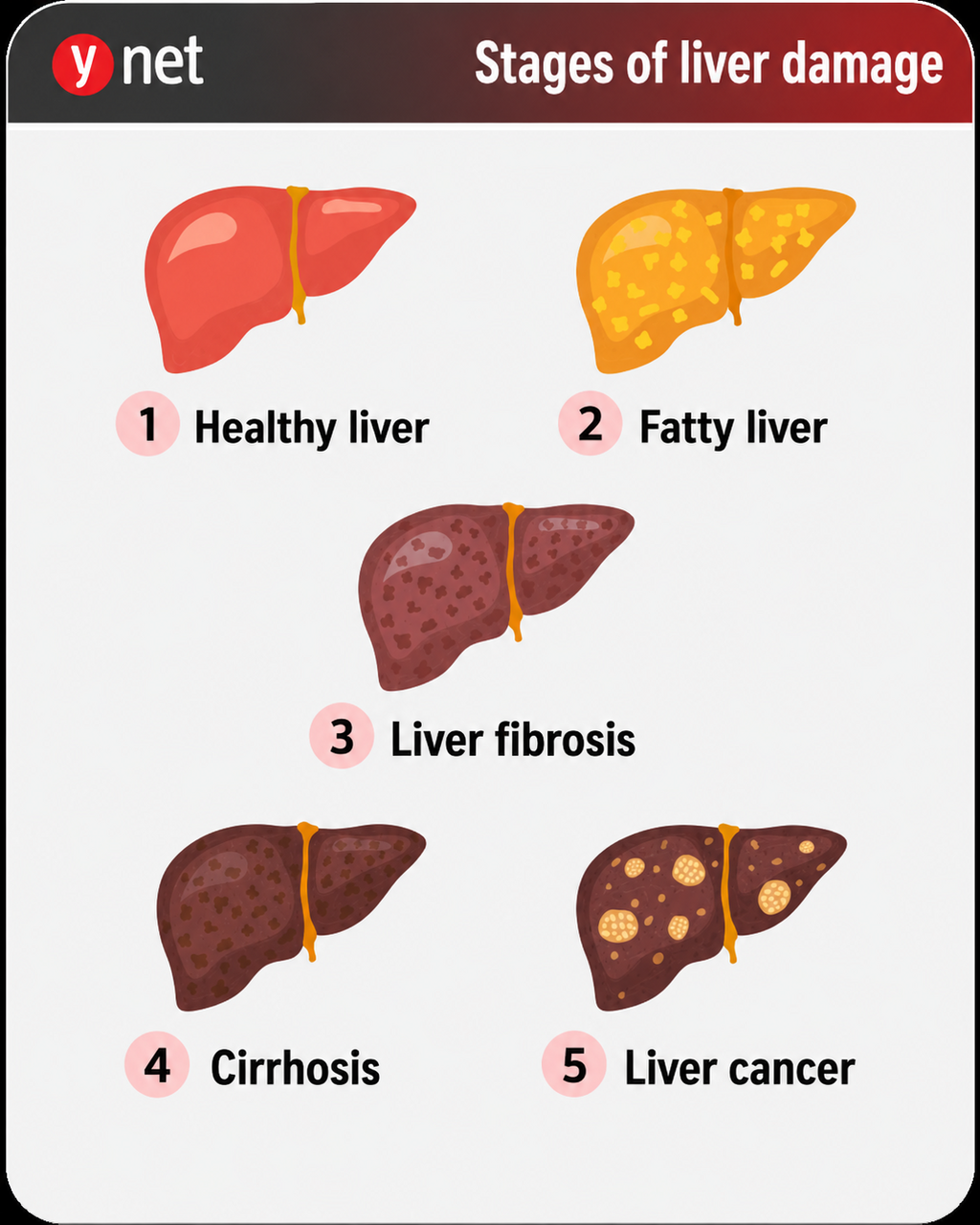
Fatty liver disease occurs when excess fat accumulates in liver cells and is closely associated with insulin resistance and metabolic syndrome.
“Fatty liver is caused by an accumulation of fat in liver cells and is one of the manifestations of metabolic syndrome, which is based on insulin resistance,” Ben Ari said. “The main risk factors include obesity, diabetes and excess blood lipids.”
She said it is the most common liver disease, although only a relatively small proportion of patients progress to significant liver disease.
When the condition advances, however, it can lead to cirrhosis and its complications. Fatty liver is also associated with accelerated atherosclerosis and an increased risk of cardiovascular illness and death, she said.
Treatment generally includes lifestyle changes, weight loss, exercise, management of metabolic risk factors and dietary approaches such as the Mediterranean diet. Specific medications for fatty liver disease are also now available, Ben Ari added.
Three diets, almost identical weight loss
Fifty-five participants with obesity, prediabetes and fatty liver completed baseline testing and were randomly assigned to one of three diets: a very-low-carbohydrate ketogenic diet, a Mediterranean diet or a very-low-fat diet rich in plant foods.
Forty-two participants completed the intervention and were included in the final analysis, with 14 people in each group. Their average age was about 43 and their average body mass index at the start of the trial was 38.9.
Participants were between 18 and 55 years old, had a BMI of 30 to 50, had prediabetes and had liver fat of at least 5% as measured by MRI.
People with diabetes requiring medication, significant additional illnesses, excessive alcohol consumption or medications that could affect the study results were excluded.
Researchers provided all meals and snacks, and participants met with a dietitian every week. They were instructed to consume only the food supplied through the study, with no additional food or caloric drinks, and to record their meals and snacks using a secure app.
Reported adherence exceeded 95% in all three groups.
The ketogenic diet provided only 4% of calories from carbohydrates, 73% from fat and 23% from protein. The Mediterranean diet provided 50% from carbohydrates, 35% from fat and 15% from protein, while the very-low-fat diet provided 70% from carbohydrates, 15% from fat and 15% from protein.
Calorie intake was adjusted individually so that participants in all three groups would lose approximately 10% of their body weight.
The result was remarkably similar: weight fell by 10.4% in the ketogenic group, 10.2% in the Mediterranean group and 10.1% in the very-low-fat group.
Reaching the target took an average of 4.6 months on keto, 5.4 months on the Mediterranean diet and 5.1 months on the low-fat diet.
Researchers conducted extensive testing before and after the intervention, including blood tests, glucose tolerance testing, measurements of body composition and insulin sensitivity, and MRI-PDFF scans to quantify liver fat.
All three groups lost body fat and lean mass. The proportion of total weight loss that came from fat was also similar, ranging from 71% to 75%.
Liver fat fell 67% on keto
Muscle insulin sensitivity improved by roughly 50% across all three groups, with no significant difference between diets.
The picture was different in the liver.
Liver insulin sensitivity improved in all groups, but the improvement in the ketogenic group was two to three times greater than in the other two groups. The keto group also showed a larger reduction in the production of new fat in the liver.

Participants on the ketogenic diet saw a 67% reduction in liver fat, compared with 45% on the other two diets
(Photo: Shutterstock)
Overall liver fat fell by 67% on the ketogenic diet, compared with 45% on both the Mediterranean and very-low-fat diets.
Ben Ari said one possible mechanism is a reduction in the accumulation of triglycerides in the liver.
In the study, liver fat was measured using MRI-PDFF, a specialized MRI-based method that allows researchers and physicians to quantify the proportion of fat in the liver.
Reducing liver fat is medically significant because accumulated fat can trigger inflammation and, over time, contribute to the replacement of healthy liver tissue with scar tissue, Ben Ari said.
“Scarred areas of the liver do not function,” she said. “As the amount of scarring increases, the liver’s ability to perform its functions is impaired.”
Blood sugar and insulin also decline
Over 24-hour blood measurements, glucose levels fell by 20% in the ketogenic group, compared with 8% in each of the other groups.
Insulin levels dropped by 74% in the keto group, compared with 44% on the Mediterranean diet and 27% on the very-low-fat diet.
Glucagon levels increased by 52% in the ketogenic group while declining in the other two groups. Beta-hydroxybutyrate, one of the main ketone bodies produced during ketosis, rose more than 20-fold on keto, remained unchanged on the Mediterranean diet and fell on the low-fat diet.
After the intervention, 50% of participants in the ketogenic group no longer met the criteria for prediabetes. That compared with 29% on the Mediterranean diet and 7% on the low-fat diet.
The ketogenic group also recorded greater reductions in fasting glucose, fasting insulin and glycated hemoglobin, or HbA1c.
However, none of the diets produced an improvement in the function of pancreatic beta cells, which are responsible for secreting insulin. Researchers said prolonged carbohydrate restriction did not appear to restore beta-cell function in participants with prediabetes.
Fasting triglycerides fell in all three groups, with the largest reduction recorded on keto. Some other measures involving blood lipid particles and insulin resistance also improved more in that group.
There were no significant differences between the diets in changes to total cholesterol, LDL cholesterol, apolipoprotein B or blood pressure.
The ketogenic diet used in the trial derived 23% of total calories from saturated fat.
“The most surprising finding was that participants in the ketogenic diet group didn't experience an increase in blood fat or cholesterol levels despite consuming the most fat,” said Dr. Max Petersen of Washington University School of Medicine, the study’s first author.
No serious adverse events were reported and no participant withdrew because of a side effect.
The researchers nevertheless cautioned that the trial was small and lasted only around four to five months.
It therefore cannot establish whether the benefits persist over the long term, whether a less severe reduction in carbohydrates without full ketosis would produce similar effects, or whether comparable liver benefits could be achieved by introducing a ketogenic diet only after weight loss, during the weight-maintenance phase.