

A new Ebola outbreak in eastern Democratic Republic of Congo has killed 65 people and left 246 others suspected of infection, health officials said, as neighboring Uganda confirmed its first related death.
The outbreak is centered in Ituri province, a remote and conflict-hit region near the borders with Uganda and South Sudan. Africa CDC said only four deaths have so far been confirmed in laboratory testing, but 13 of 20 samples tested positive for Ebola. Early findings indicate the virus is not the Zaire strain, the form targeted by the Ervebo vaccine, but likely the Bundibugyo strain — a rarer Ebola virus for which no licensed vaccine is currently available.
Gallery
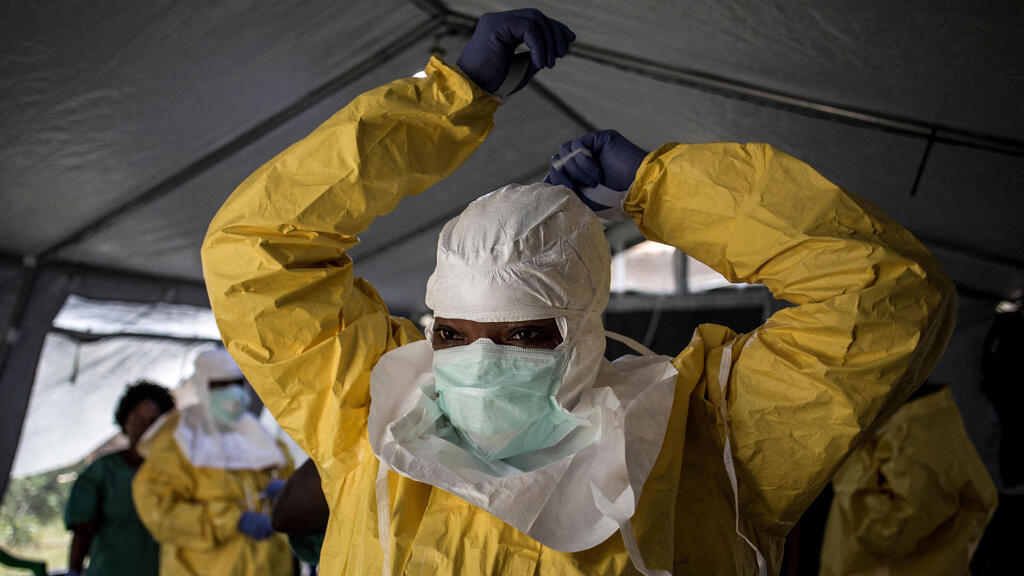
Congo is once again facing a severe health crisis following an Ebola outbreak
(Photo: John Wessels/ AFP)
Uganda’s Health Ministry said the country’s first confirmed victim was a 59-year-old man from Congo who arrived at a hospital in Kampala on Monday and later developed hemorrhagic symptoms. He died in intensive care on May 14, three days after being admitted. Tests conducted after Congo announced the outbreak confirmed Ebola, and Ugandan authorities said the man had been infected with the Bundibugyo strain. Officials said no local transmission had been detected in Uganda, and those who had been in contact with him were placed in isolation.
Ebola is a severe viral disease spread through direct contact with bodily fluids, including blood, vomit and semen. Early symptoms include fever, muscle pain, fatigue and sore throat, followed by nausea, diarrhea, rash and bleeding. The average fatality rate is around 50%, though past outbreaks have ranged from 25% to 90%, according to the World Health Organization.
The current outbreak has alarmed experts because the number of suspected cases suggests the virus may have been spreading for weeks before it was detected. Specialists at Imperial College London warned that if the outbreak is confirmed to involve a non-Zaire strain, containment could become significantly harder.
The main hotspots are the mining towns of Mongwalu and Rwampara, where frequent movement of miners and traders between communities has complicated efforts to trace contacts. Suspected cases have also been reported in Bunia, the provincial capital, and are awaiting laboratory confirmation.
Ituri has been under military administration since 2021, after civilian authorities were replaced as part of an effort to curb dozens of armed groups operating in the province, including one affiliated with the Islamic State group. The insecurity, poor road network and long distance from the capital Kinshasa pose major obstacles to deploying medical teams and supplies.
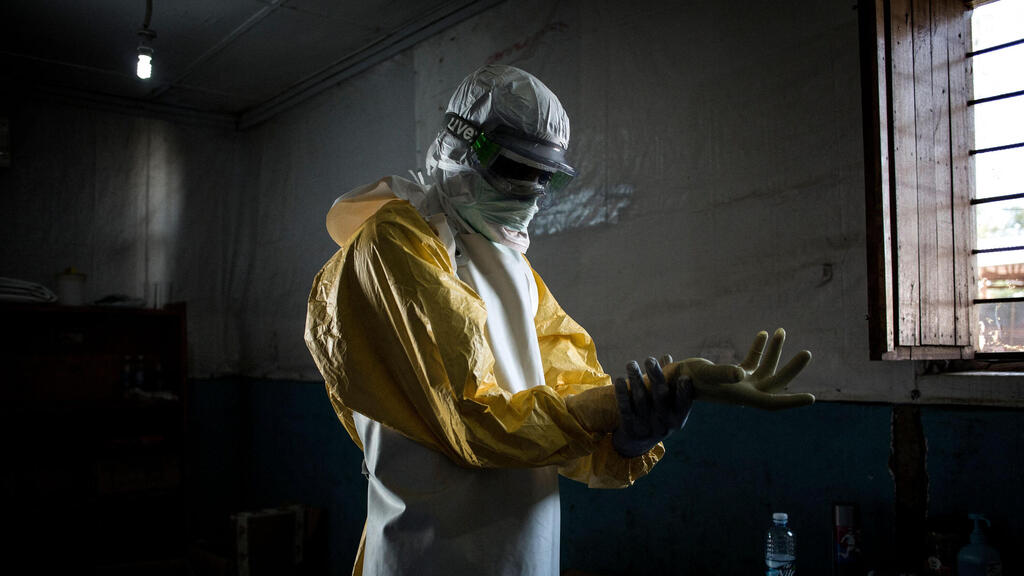
The 2018 Ebola outbreak in Congo
(Photo: John Wessels/ AFP)
This is Congo’s 17th Ebola outbreak since the virus was first identified there in 1976. The country’s worst outbreak ran from 2018 to 2020 and killed nearly 2,300 people. The largest Ebola epidemic on record struck West Africa between 2014 and 2016, killing more than 11,000 people.
WHO Director-General Tedros Adhanom Ghebreyesus said the organization had already sent a team to Congo before the outbreak was officially confirmed. Initial tests had not identified Ebola, but further analysis on Thursday changed the assessment. He said WHO had released $500,000 to support the initial response and noted that Congo has extensive experience in containing Ebola outbreaks.
Africa CDC convened an emergency coordination meeting Friday with health authorities from Congo, Uganda and South Sudan, alongside international partners including UNICEF, the U.S. CDC, the European CDC, Doctors Without Borders, the World Bank, the Gates Foundation, the Wellcome Trust and pharmaceutical companies including Merck, Johnson & Johnson, Regeneron, BioNTech and Moderna.
Dr. Jay Bhattacharya, acting head of the U.S. Centers for Disease Control and Prevention, said the United States was monitoring the situation in both countries and providing technical assistance. He said the CDC had extensive experience responding to Ebola outbreaks and was working closely with Congo’s Health Ministry.
The Coalition for Epidemic Preparedness Innovations said it was prepared to support research and development efforts, including clinical trials if needed.
Dr. Gabriel Nsakala, a public health professor who has helped respond to previous Ebola outbreaks in Congo, said local health workers are experienced and the basic response infrastructure exists. “In terms of training, people already know what to do,” he told AP. “Now, the expertise and equipment need to arrive quickly.”