

Two new cancer drugs have significantly extended survival among patients with advanced lung and stomach cancers whose diseases had progressed despite previous treatment, according to results from two Phase 3 clinical trials presented Sunday at the European Society for Medical Oncology (ESMO) Congress in Madrid.
The findings, presented during one of the conference's main scientific sessions, offer new hope to patients with limited treatment options. One study examined a next-generation drug for non-small cell lung cancer carrying a genetic mutation known as KRAS G12C. The other evaluated an experimental targeted treatment for advanced stomach cancer in patients whose tumors express a protein called CLDN18.2.
Gallery

Lung cancer patients could gain access to additional treatment options in the coming years
(Photo: shutterstock)
Both trials demonstrated substantial improvements in overall survival, although the drugs remain investigational and have not yet received the regulatory approvals needed for routine use.
The first study, Krascendo 1, examined Roche's divarasib, an oral drug taken once daily. Its findings were simultaneously published in the New England Journal of Medicine (NEJM).
The trial enrolled 338 patients at 151 medical centers across 26 countries, all of whom had received previous treatment. Approximately half received divarasib, while the remainder were treated with one of two approved first-generation drugs targeting the same mutation: sotorasib (Lumakras) or adagrasib (Krazati). Most patients in the comparison group received sotorasib because adagrasib was available in only one participating country.
Audience members stand and applaud after the presentation of results from a lung cancer study combining tarlatamab and durvalumab at the ESMO conference in Madrid
(Video: Prof. Ido Wolf/X)


Median overall survival among patients receiving divarasib reached 17.7 months, compared with 12 months in the control group, representing a 44% reduction in the relative risk of death during the study.
One year after treatment began, 67.1% of patients receiving the new drug were alive, compared with 49.2% of those receiving the older treatments. The findings came from the first interim survival analysis, after a median follow-up of 14.3 months.
The comparison is particularly significant because divarasib was tested directly against existing targeted therapies rather than chemotherapy. In an earlier Phase 3 trial comparing sotorasib with chemotherapy, median overall survival was 10.6 months versus 11.3 months, without a meaningful survival advantage. Overall survival data from a comparable adagrasib trial have not yet been published.
A next-generation drug targets cancer's genetic ‘on switch’
KRAS is a gene that produces a protein functioning like a switch inside cells. It sends signals instructing cells to grow and divide, then switches off when those signals are no longer needed.
The G12C mutation effectively locks that switch in the "on" position, allowing cells to continue dividing uncontrollably. Drugs targeting KRAS G12C bind to the altered protein and hold it in an inactive state, interrupting the signals driving tumor growth.
According to the researchers, the mutation occurs in approximately 14% of non-small cell lung cancer cases. Laboratory studies have shown that divarasib has greater potency and selectivity than earlier drugs targeting the same mutation.
"More advanced-generation drugs may demonstrate greater inhibitory potency and cover a broader range of variants and molecular states associated with the mutation," explained Dr. Abed Agbarya, a thoracic oncology specialist at Bnai Zion Medical Center in Haifa.
 Dr. Mor MoskovitzPhoto: Beilinson Hospital
Dr. Mor Moskovitz, head of the Thoracic Oncology Service at the Davidoff Cancer Center at Beilinson Hospital in central Israel, described the findings as particularly encouraging. "The results are very exciting. This is the first time we have seen a significant and statistically meaningful improvement in a subgroup of lung cancer patients whose treatment options have been limited until now," she said.
"The study also demonstrated that the drug significantly extended both overall survival and the time before the disease progressed."
Divarasib also kept the disease under control for longer. Median progression-free survival, the trial's primary endpoint, reached 9.8 months, compared with 5.7 months for patients receiving first-generation drugs. Tumors shrank or disappeared in 58.4% of patients treated with divarasib, compared with 32.3% in the control group. Responses were also more durable, lasting a median of 11.9 months versus 6.9 months.
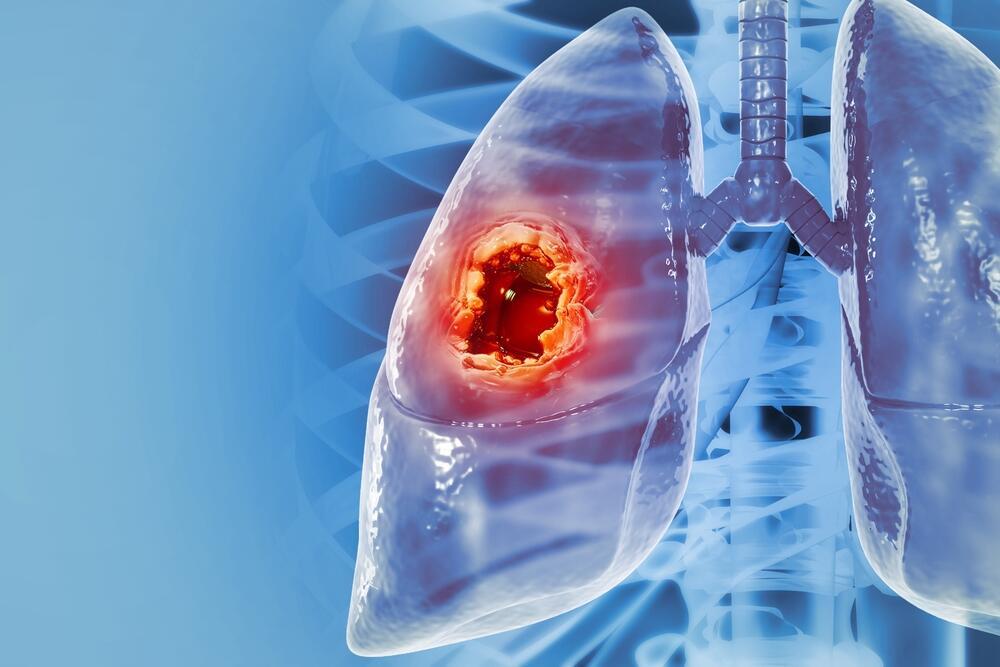
The divarasib trial reported a 44% reduction in the relative risk of death compared with existing targeted treatments
(Photo: shutterstock)
The findings added to excitement generated at the same conference on Saturday, when researchers presented results from a different lung cancer study involving a combination of tarlatamab (Imdelltra) and durvalumab (Imfinzi).
That treatment was tested in extensive-stage small cell lung cancer, a particularly aggressive form of the disease. The combination reduced the relative risk of death by 58% and extended median overall survival to 21.1 months, compared with 12.7 months for the standard treatment. The results prompted a standing ovation from members of the audience in Madrid.
Could divarasib become the new standard treatment?
The advantages of divarasib were not limited to survival. The trial also reported fewer severe treatment-related side effects than those seen with the existing targeted therapies.
Severe adverse events attributed to treatment occurred in 24.6% of patients receiving divarasib, compared with 34.5% in the control group. Only 4.8% stopped taking the new drug because of treatment-related side effects, compared with 11.7% of patients receiving the older drugs.
However, diarrhea, nausea and vomiting were more common with divarasib, although most cases were mild. Liver-related side effects were less frequent.
The study also had limitations. Participants were required to be in relatively good physical condition and to have previously received chemotherapy and immunotherapy. Patients who had already received a drug targeting KRAS G12C were excluded, as were those with untreated brain metastases.

(Photo: shutterstock)
Although the improvement in progression-free survival was generally consistent across patient subgroups, the benefit was smaller and not statistically significant among patients with a history of brain metastases.
The open-label study was funded by Roche, which also funded assistance with preparing the scientific manuscript.
Lead investigator Prof. Ferdinandos Skoulidis of the University of Texas MD Anderson Cancer Center in Houston said the results support divarasib as a new standard of care for previously treated patients with advanced or metastatic KRAS G12C-mutated non-small cell lung cancer.
Moskovitz said the findings represent a major development for patients who have exhausted previous treatment options. "This is tremendous news for patients. The drug could significantly extend their lives, as well as the time before their disease progresses. These are results we have not seen before in second-line treatment," she said.
However, she emphasized that approval and access remain significant hurdles, particularly for Israeli patients. "The drug has not yet been approved by the FDA. We hope it will receive approval and then become available in Israel, initially through private health insurance and later through submission for inclusion in the national health benefits basket," she explained.
Agbarya also stressed the importance of ensuring that Israeli patients can benefit from advances in cancer treatment. "I hope this progress will eventually allow more patients in Israel to benefit from a wider range of treatment options," he said. "The main message is the importance of updating the national health benefits basket so patients in Israel can receive the most advanced treatments."
Roche is already investigating divarasib in earlier stages of lung cancer treatment. One Phase 3 study is testing it as a first-line treatment alongside the immunotherapy drug pembrolizumab (Keytruda), while another is examining its use after surgery to remove a tumor.
A ‘guided missile’ delivers chemotherapy directly to stomach tumors
The second major study presented at ESMO, CLARITY-Gastric01, examined AstraZeneca's experimental drug sonesitatug vedotin, administered once every three weeks.
The trial enrolled 532 patients with advanced or metastatic stomach cancer, cancer of the gastroesophageal junction where the esophagus meets the stomach, or esophageal adenocarcinoma. All had tumors expressing CLDN18.2 and had experienced disease progression after at least one previous treatment regimen.
Approximately half received the experimental drug, while the others received treatment selected by their physicians, including conventional chemotherapy or established targeted treatments. The most striking results were observed among patients who had already undergone at least two previous lines of treatment, the group in which overall survival was one of the study's primary endpoints.
In this population, median overall survival doubled from five months to 10 months, while the relative risk of death fell by 53%. One year after treatment began, 38.1% of these patients were alive, compared with 18.1% of those receiving conventional treatment options.
Across all 532 participants, median overall survival reached 10.6 months with sonesitatug vedotin, compared with 6.4 months in the control group, representing a 42% reduction in the relative risk of death.
However, the results were less conclusive for the trial's other primary endpoint, progression-free survival. The median was 4.2 months with the new drug, compared with 3.8 months with standard treatment, a difference that did not reach statistical significance.
Susan Galbraith, AstraZeneca's executive vice president of oncology hematology research and development, told Reuters that measuring disease progression in stomach cancer can be particularly difficult because tumors often spread diffusely rather than forming clearly defined masses.

Stomach cancer
(Photo: shutterstock)
Sonesitatug vedotin belongs to a class of treatments known as antibody-drug conjugates, sometimes described as "guided missiles" for cancer.
These drugs combine an antibody that recognizes a specific protein on cancer cells with a powerful chemotherapy agent. The antibody carries the drug toward cells expressing the target protein, where the chemotherapy payload is released, aiming to concentrate its effects on the tumor while limiting damage to healthy tissue.
In this case, the antibody targets CLDN18.2, a protein found in the stomach lining and on the surface of many cancer cells. One important feature is the potentially larger number of patients who could qualify for treatment. The trial included patients whose tumors expressed CLDN18.2 on at least 25% of cancer cells.
By comparison, the currently approved CLDN18.2-targeted treatment zolbetuximab (Vyloy) requires expression on at least 75% of tumor cells. According to AstraZeneca, approximately 60% of stomach and gastroesophageal junction cancers meet the lower threshold.
Stomach cancer is the fifth most common cancer worldwide and among the leading causes of cancer-related deaths. Many patients are diagnosed only after the disease has reached an advanced stage.
Lead investigator Prof. Rui-Hua Xu of Sun Yat-sen University Cancer Center in Guangzhou, China, described the findings as remarkable, particularly given the poor prognosis facing patients with metastatic stomach cancer after initial treatment fails.
He said sonesitatug vedotin was the first CLDN18.2-targeted therapy to demonstrate an overall survival benefit at this stage of the disease, potentially changing treatment for patients whose tumors express the protein.
The results were based on a planned interim analysis and, unlike the lung cancer findings, have so far been presented only at the conference and in a company announcement, rather than published in a peer-reviewed medical journal.
As in the divarasib study, the experimental treatment was associated with fewer severe treatment-related adverse events than the comparison therapies. Such events occurred in 36.4% of patients receiving sonesitatug vedotin, compared with 44.8% in the control group.
The drug remains investigational, but AstraZeneca is already testing it in earlier treatment settings. Another Phase 3 study is evaluating sonesitatug vedotin as a first-line treatment for advanced stomach cancer in combination with the chemotherapy drug capecitabine (Xeloda).
According to Reuters, more than 2,000 patients are participating in a trial examining the treatment at an earlier stage of care.
When medical innovation meets Israel's frozen drug budget
Despite the excitement generated by the results in Madrid, bringing advanced cancer treatments to Israeli patients will require overcoming substantial financial and regulatory hurdles.
Israel's Health Ministry announced Sunday the appointment of the committee responsible for deciding which new medicines and medical technologies will be added to the country's publicly funded health benefits basket in 2027. The announcement came after a significant delay, with the committee's budget remaining frozen at 650 million shekels, unchanged from previous years.
The committee must evaluate approximately 520 medications and 35 medical technologies, including new treatments for cancer, Alzheimer's disease and obesity.
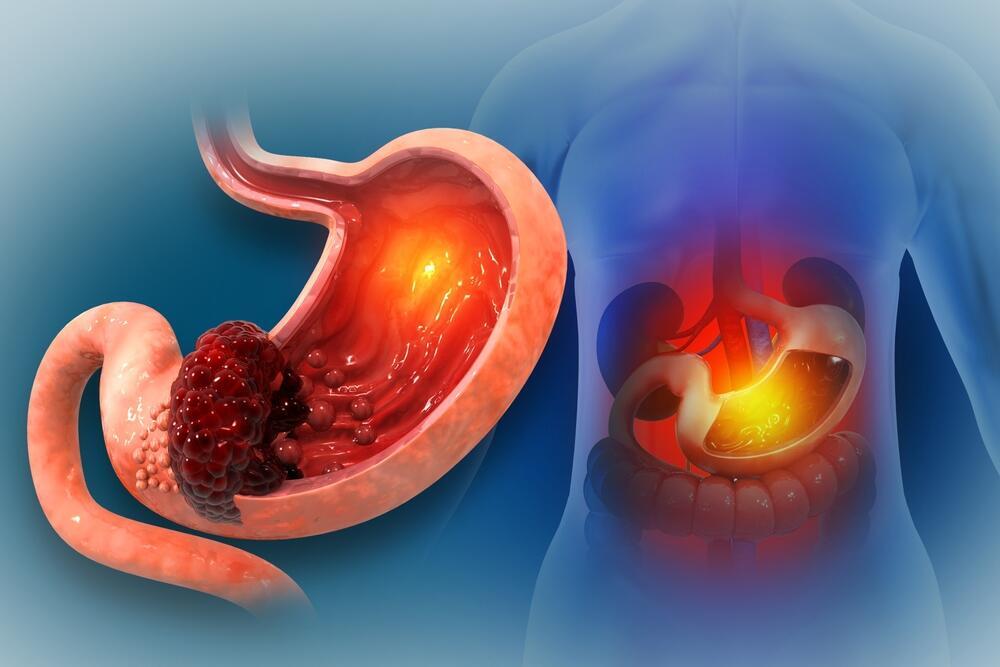
The new stomach cancer treatment remains experimental and has not yet received regulatory approval
(Photo: shutterstock)
The challenge is particularly acute in oncology, where innovative treatments are often accompanied by exceptionally high prices.
Tarlatamab, for example, has a U.S. annual list price exceeding $390,000 per patient, equivalent to more than 1.2 million shekels. And although therapies such as divarasib and sonesitatug vedotin remain investigational, the emergence of increasingly sophisticated cancer treatments is placing additional pressure on healthcare budgets worldwide.
For Israeli patients, the implications are clear. Scientific breakthroughs are arriving at an accelerating pace, but the funding available to provide access to them is not growing at the same rate.
The latest drugs may offer patients months of additional survival, sometimes doubling the time they have left. Yet even if they receive regulatory approval, they will still have to compete with hundreds of other treatments for a share of Israel's limited health budget, this year and potentially for years to come.