

A Technion-led research team has received a Gray Foundation Team Science grant to develop an artificial intelligence-powered MRI method aimed at improving early detection of ovarian cancer, particularly among women with inherited BRCA gene mutations.
The project, led by Prof. Moti Freiman of the Technion Faculty of Biomedical Engineering and the May-Blum-Dahl Technion Human MRI Research Center, was selected as part of the Gray Foundation’s latest $35 million funding round for research focused on preventing, intercepting and detecting BRCA-related cancers at earlier stages.
The research is aimed at improving early detection of ovarian cancer, particularly among women with inherited BRCA gene mutations
(Photo: Courtesy of Technion)
The research brings together teams from the Technion, the University of Pennsylvania and the University of Chicago. The Technion–University of Pennsylvania team is led by Freiman, Dr. Karthik Sundaram and Prof. Dylan Tisdall, while the University of Chicago team is led by Dr. Milica Medved and Dr. Kathryn Mills.
Together, the researchers will work to combine advanced MRI imaging, quantitative analysis and AI tools to develop MRI-based screening strategies for ovarian cancer that could be more widely used in clinical settings.
Ovarian cancer is among the deadliest gynecologic cancers, in part because it is often diagnosed only after it has spread beyond the ovaries. Women who carry inherited BRCA1 or BRCA2 mutations face a significantly higher lifetime risk of developing the disease, and many are advised to undergo preventive removal of the ovaries and fallopian tubes. While the procedure can be lifesaving, it is irreversible and can have major consequences, particularly for younger women.
The new project aims to give physicians and patients better tools to assess risk before preventive surgery becomes necessary.
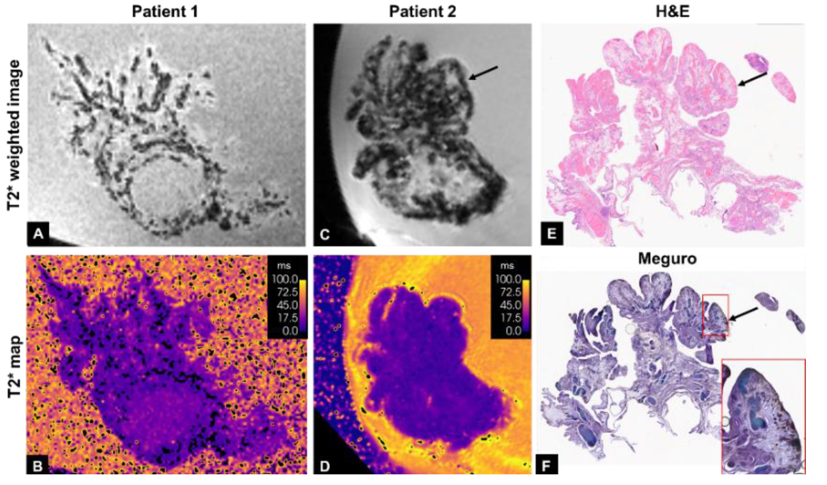
The researchers have developed an MRI protocol designed to detect elevated iron levels in the fallopian tubes, an early biological marker associated with high-grade serous ovarian cancer, the most common and aggressive form of the disease. If validated, the approach could help identify precancerous changes earlier and support more informed decisions about preventive treatment.
 Prof. Moti Freiman Photo: Courtesy of Technion
The Technion’s role will focus on AI-based MRI analysis. MRI scans of healthy volunteers will be conducted at the May-Blum-Dahl Technion Human MRI Research Center, where the project’s initial imaging data were collected. Freiman’s team will apply AI algorithms developed in his lab to identify imaging biomarkers that may be difficult or impossible to detect through conventional image analysis.
At the University of Pennsylvania, researchers will conduct MRI scans of surgically removed cancerous ovaries. Those studies currently use a rare and expensive 7 Tesla MRI system, which provides very high-resolution images but is available only at a limited number of research centers worldwide. The Penn and Technion teams will seek to show that similar diagnostic information can be obtained using 3 Tesla MRI scanners, which are far more common in hospitals.
The University of Chicago team will use quantitative MRI and artificial intelligence to help design screening strategies that are both clinically effective and affordable.
The Gray Foundation’s Team Science program supports multidisciplinary research collaborations focused on BRCA-associated cancers, including breast, ovarian, pancreatic and prostate cancers. With the latest grants, the foundation said it has committed $235 million to BRCA-related research.
If successful, the project could help advance a screening tool that is more accessible to hospitals and could improve early detection of ovarian cancer among women at high genetic risk.