


About 14% of adults who use e-cigarettes, particularly disposable devices, have never smoked a traditional cigarette, and a clear link was found between a preference for sweet flavors and the use of disposable products.
The findings, published in the Israel Journal of Health Policy Research, were led by Prof. Yael Bar-Zeev from the Hebrew University's School of Public Health, along with Dr. Begashaw Mulu, a graduate of the university’s international Master of Public Health program.
“This is a troubling finding,” said Bar-Zeev. “E-cigarettes are often marketed as a tool to help current smokers quit, but they may actually serve as a gateway to nicotine addiction for people who have never smoked."
Sweet flavors, influencer marketing and easy access
The study found that in the U.S., a preference for sweet flavors, including fruit, candy and caramel, was strongly linked to the use of disposable e-cigarettes.
Bar-Zeev emphasized convenience as a key factor: “With disposable devices, the flavors come pre-loaded. You walk into a store and see an overwhelming variety such as crème brûlée, mango, cherry, Oreo, sweet cereal flavors and apple juice; you just pick one and start vaping,” she said.

A strong link between sweet flavors and the use of disposable devices
(Photo: Shutterstock )
In contrast, reusable devices require more effort to learn, disassemble, clean, and refill, making the process more complex. In some devices, users can mix their own liquids to create custom flavors. Refillable devices with tanks may also be used to inhale substances other than nicotine, including cannabis.
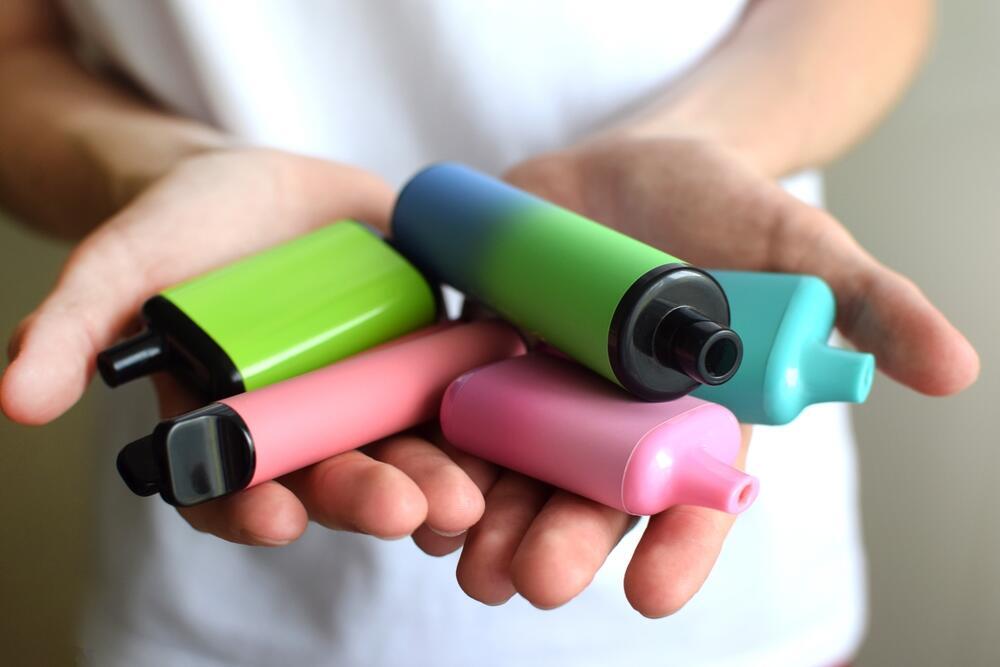
Disposable vapes offer additional appeal to teens, Bar-Zeev noted: “They’re very small, some look like highlighters, and easy to hide. Some produce little vapor and no strong smell, making them easier to use discreetly." She adds, "People think that because there's no flame, they’re harmless. This is combined with fun flavors and cool marketing strategies that targets teens.”
 Prof. Yael Bar-ZeevPhoto: Hadas Parush/Flash90
She also pointed to marketing tactics reminiscent of those used for traditional cigarettes, such as placing products near checkout counters or at eye level near candy and slush machines in convenience stores. Celebrities and influencers also contributed; “There was even a disposable e-cigarette brand sold under a famous Israeli singer’s name,” she said.
Unlike traditional cigarettes, e-cigarettes lack a clear beginning or end, Bar-Zeev explained, “so users can vape throughout the day.” This, along with a lack of public awareness that under Israeli law vaping is banned in all places where smoking is prohibited — including restaurants, buses, trains and other enclosed spaces — has contributed to increased usage.
From smoking alternative to youth trend
The study surveyed 410 adults aged 18–45 in Israel and the U.S., all of whom had used e-cigarettes in the previous 30 days. About 37% reported using disposable devices, while 63% used refillable ones with either replaceable liquid cartridges or tanks.

(Photo: Shutterstock)
Prof. Bar-Zeev explained that e-cigarettes emerged around 2010 as an alternative for smokers. "The original idea was to provide smokers with nicotine without the other carcinogenic substances found in traditional cigarettes. Nicotine itself is not carcinogenic and does relatively little harm to the body,” she said.
But in reality, she warned, the product is far more complex. “The vapor comes from a liquid based on chemicals like propylene glycol or ethylene glycol, which create the mist. The devices contain batteries, coils and heating elements, all in close contact with the liquid that’s inhaled. Since these are often made in China under questionable conditions, heavy metals and other harmful substances can leak into the liquid."

"Easy to hide"
(Photo: Shutterstock)
Despite public claims that these products are intended for adult smokers, actual usage patterns show otherwise. “In Israel and around the world, it's mostly teens and young adults who use e-cigarettes,” said Bar-Zeev. “They’ve replaced traditional cigarettes with e-cigarettes, and that is the first substance young people try."
A gateway to broader addiction
“While it’s true that e-cigarettes are less harmful than regular cigarettes, that doesn’t mean they’re safe,” Bar-Zeev emphasized. “We don’t yet know the full extent of the damage, but it’s linked to cancer, heart disease and other serious health issues."
She highlighted nicotine’s specific impact on young people: “Nicotine affects brain development and can permanently alter brain structure in adolescents. It also increases vulnerability to other addictions, which is why it’s often called a ‘gateway drug.’ And since e-cigarettes can be used throughout the day, users are often exposed to high levels of nicotine."
In Israel, nicotine levels in vaping liquids are legally capped at 20 milligrams per milliliter, “but there’s no real enforcement, and even that amount is very high,” she said.
The study found key differences in vaping behavior between the U.S. and Israel. In Israel, disposable e-cigarettes were more common and associated with greater perceived harm, as well as higher availability in physical stores. Israeli users of disposables also reported lower rates of using cannabis-infused vaping liquids.

E-cigarettes may be less harmful than a regular cigarette, but still highly harmful
(Photo: shutterstock)
In the U.S., disposable vapes were more strongly linked to sweet flavor preferences and previous use of tobacco or nicotine products. Americans who used disposables were seven times more likely to have smoked regular cigarettes in the past.
In light of the findings, the researchers called for country-specific regulation. In Israel, the focus is on restricting in-store sales, enhancing enforcement and limiting available flavors. In the U.S., the data support further restrictions on sweet flavors, which remain widespread despite FDA efforts.
Both countries, the study concluded, need better oversight and regulation of unregulated vaping liquids, including those that contain cannabis extracts.