

A recent meta-analysis of 30 clinical trials across 12 countries suggests that yoga — especially when paired with conscious breathing — may be among the most powerful practices for restoring deep, nourishing sleep. More than 2,500 participants with sleep disturbances were studied, and the results placed yoga above walking, weight training, aerobic workouts and even traditional practices like Tai Chi and Qi Gong.
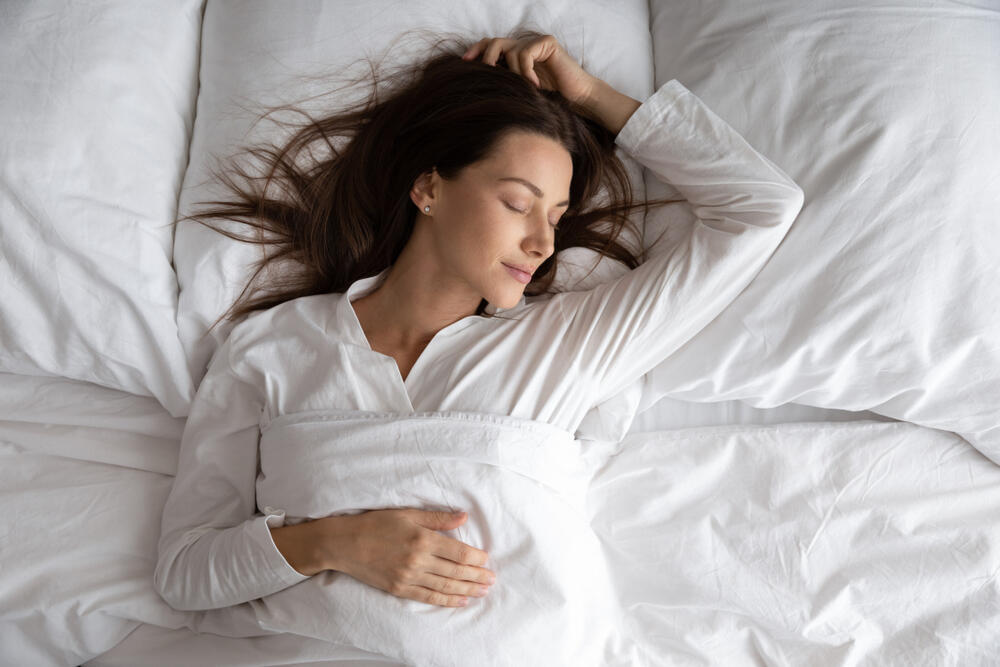
The sweet spot: energetic yoga, twice weekly
Researchers at Harbin Sport University in China discovered that short, vigorous sessions — less than half an hour, just two times a week — began improving sleep in as little as eight to 10 weeks. Walking came in second place, with strength training close behind.
These insights contrast with a 2023 review that favored moderate aerobic activity three times weekly. Yet even that earlier research noted yoga’s distinct edge. The reason, perhaps, lies in yoga’s fluid identity: sometimes aerobic, sometimes anaerobic, its intensity shifting with every style. That very versatility may explain why studies differ.
Why yoga works
Yoga doesn’t just move the body; it steadies the breath. Regulating respiration activates the parasympathetic nervous system — the body’s natural gear for rest, recovery and digestion. Some studies even show yoga reshapes brain wave patterns, inviting deeper, more restorative sleep.
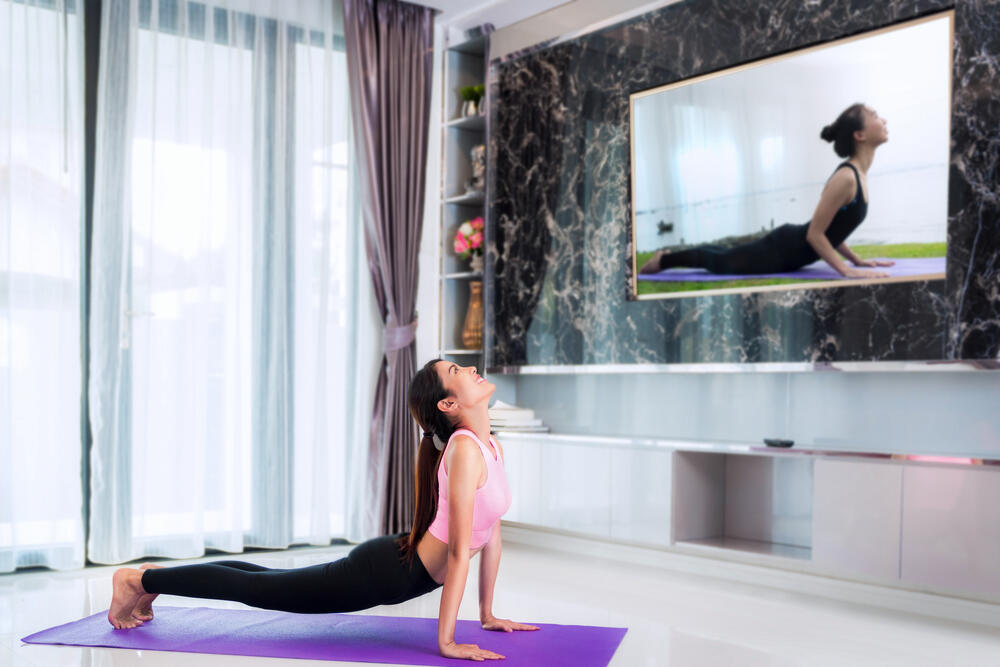
Yoga
(Photo: Shutterstock)
Still, this is not a “one-size-fits-all” kind of deal. Bodies and minds respond in their own ways. What grounds one practitioner might not resonate with another. But rolling out the mat twice a week, breathing with intention, and letting movement meet stillness — that is a practice with the power to transform the night.
First published: 11:47, 08.27.25