

Nuts have long been considered one of the healthiest snacks, and for good reason. A small handful provides a combination of unsaturated fats, protein, fiber, vitamins, minerals and beneficial plant compounds. Studies have found that people who regularly eat nuts have a lower risk of cardiovascular disease. Clinical trials have also shown improvements in blood lipid levels, including reductions in LDL, commonly known as "bad" cholesterol.
But when you're standing in front of the supermarket shelves, the question isn't just whether to eat nuts, but which ones to choose. Almonds, walnuts, pistachios, pecans and Brazil nuts each have their own nutritional strengths, along with a few things worth watching out for.
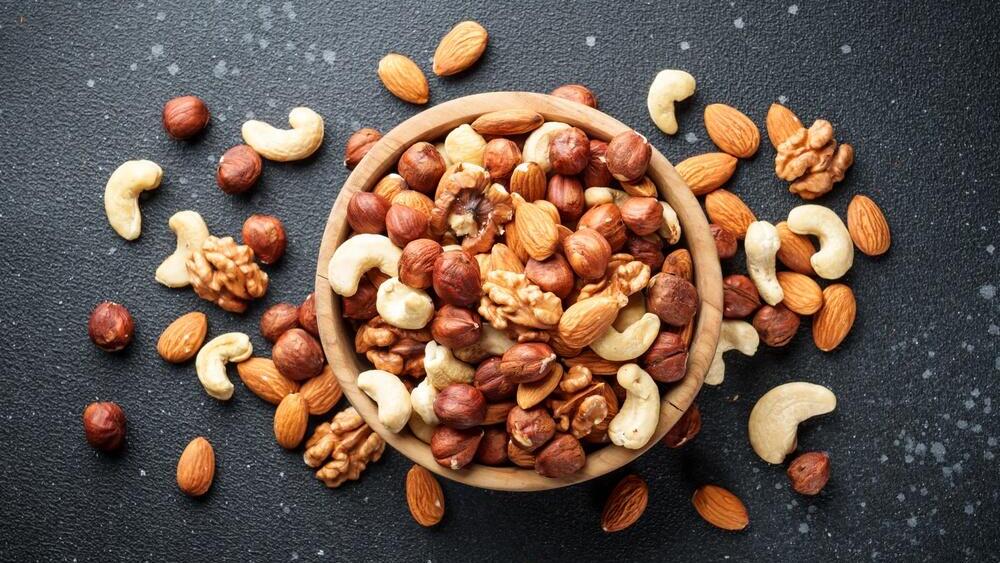
"Although they're all considered nuts in culinary terms, they're far from identical nutritionally," explains Eden Elbahar, a naturopath at Maccabi Tivi, Maccabi Healthcare Services' complementary medicine network. "A common mistake is looking for one nut that will provide everything we need. Nuts aren't a 'miracle food,' and each variety has a slightly different nutritional profile. So instead of asking which nut is the healthiest, it's better to ask which one best suits your diet and personal goals, and to eat a variety."
How many nuts should you eat a day?
The standard dietary recommendation is about 30 grams a day, roughly a small handful. That translates to approximately 20 almonds, 14 walnut halves, 45 shelled pistachios or 18 cashews.
A serving that size provides around 160 to 200 calories. However, studies have not found that moderate nut consumption leads to weight gain, probably because nuts help promote satiety. The best approach is to eat them instead of processed snacks, rather than in addition to them.
Walnuts: A plant-based source of omega-3
"Walnuts stand out from other nuts because of their ALA content, a plant-based omega-3 fatty acid," Elbahar says. "They also contain polyphenols, which are antioxidants, and other plant compounds. Human studies have found that eating walnuts may have a beneficial effect on certain markers associated with cardiovascular health."
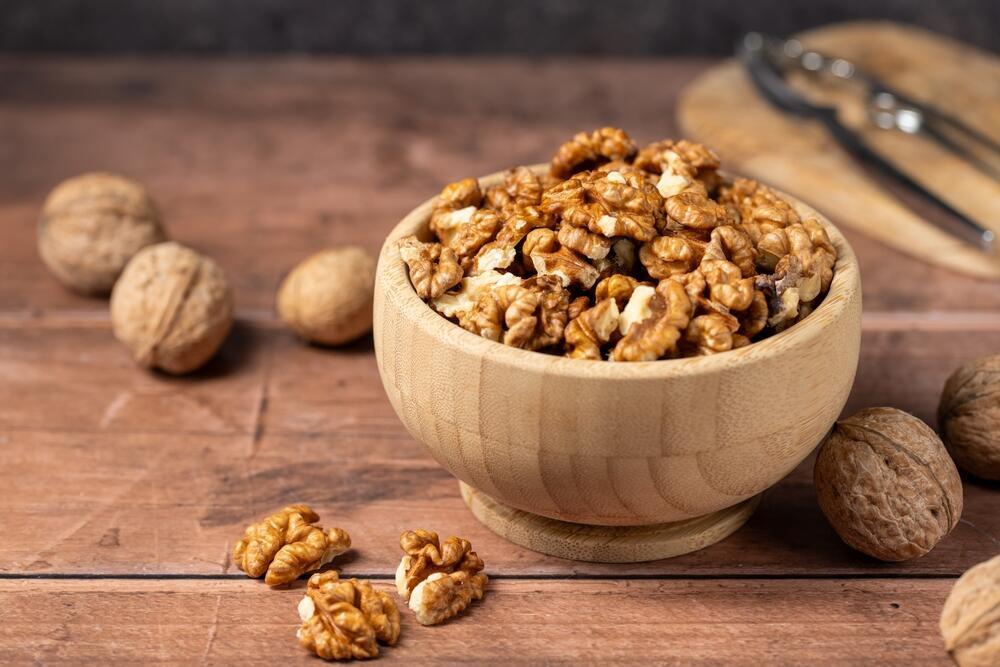
eating walnuts may have a beneficial effect on certain markers associated with cardiovascular health
(Photo: Shutterstock/Erhan Inga)
It's important to understand that plant-based omega-3 is not identical to the omega-3 found in fish, and the body converts only a small proportion of it into the forms it uses most readily. Walnuts are therefore a valuable addition to the diet, but not a substitute for fish.
Because their fats are particularly sensitive to oxidation, walnuts can spoil relatively quickly and are best stored in the refrigerator.
"They're easy to incorporate into your diet, whether sprinkled over yogurt or oatmeal, added to a salad or simply included in a mixed handful of nuts," Elbahar adds.
Almonds: Much more than calcium
"Many people associate almonds primarily with calcium, but they also provide vitamin E, magnesium and fiber, making them an easy way to add important nutrients to your diet," Elbahar says.
In fact, a handful of almonds provides only about 7% of the daily calcium requirement. Their real nutritional strength is vitamin E: One handful supplies approximately half the recommended daily intake. It's best to eat almonds with their thin brown skins intact, as these contain many of the beneficial plant compounds.

The real nutritional strength of the almond is vitamin E
(Photo: Shutterstock/Farknot Architect)
"They're also easy to incorporate into meals. You can eat them as a snack, add them to yogurt, salads or oatmeal, or pair them with fruit," Elbahar notes.
Pistachios: Protein and fiber in every handful
"Pistachios provide a combination of protein, fiber and unsaturated fats, along with various plant compounds, including polyphenols," Elbahar explains. "Some of these compounds are found in higher concentrations in the nut's outer layers."
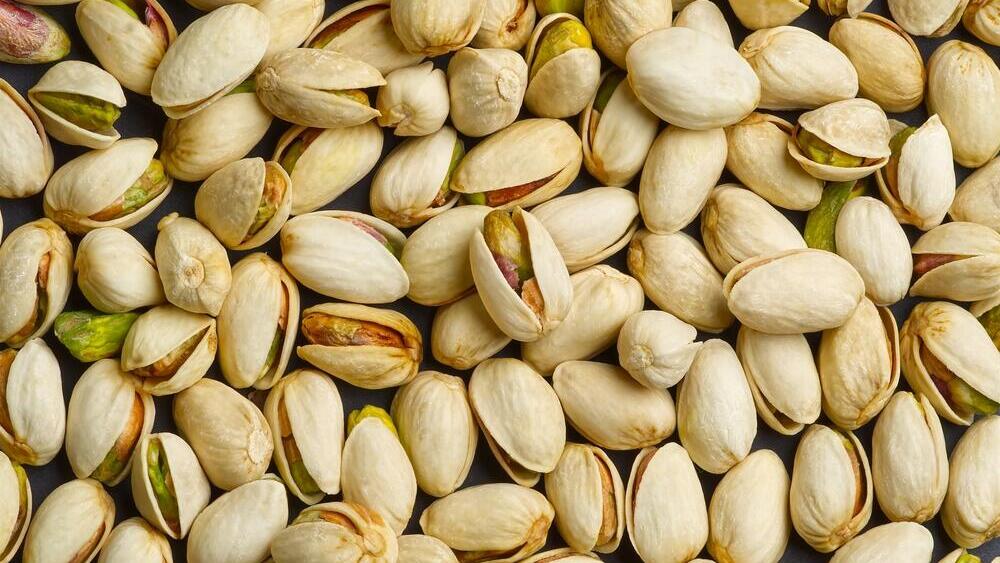
Not just for Dubai chocolate. Pistachi
(Photo: Shutterstock/InFocus.ee)
Pistachios are also relatively low in calories compared with many other nuts, meaning you get more individual nuts per handful. Another practical advantage is that shelling pistachios slows down the pace of eating, while the pile of empty shells serves as a visual reminder of how many you've already eaten.
Pecans: Not just for pies
"One nut that deserves more attention is the pecan," Elbahar says. "Many people associate it mainly with cakes and desserts, but on its own it has an interesting nutritional profile. It's rich in unsaturated fats and also contains fiber, polyphenols and phytosterols.
"Clinical studies suggest that eating pecans may help improve certain blood lipid markers, including total cholesterol and LDL. So instead of waiting for your next slice of pie, you can add a few pecans to a salad or yogurt, or enjoy a small portion as a snack."
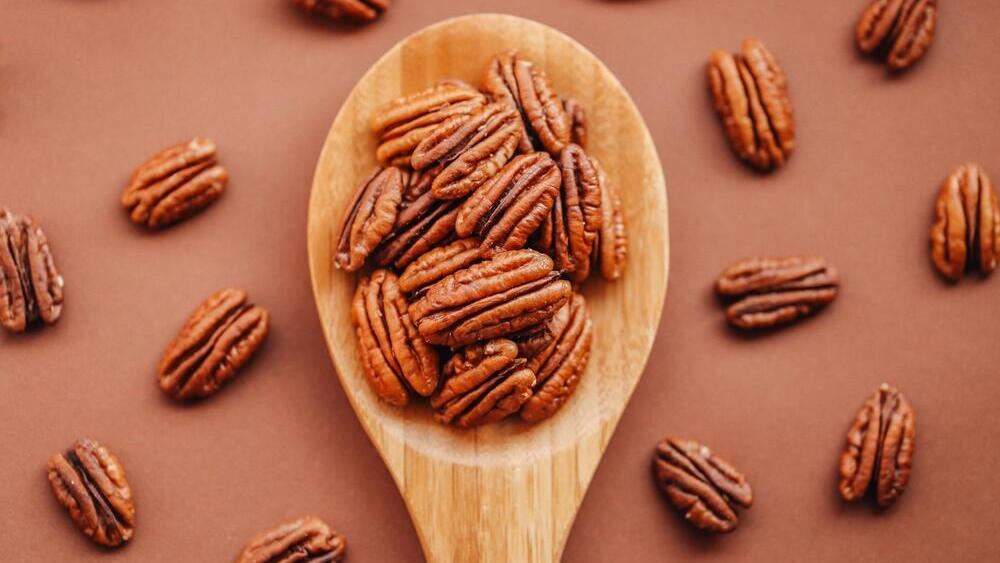
Eating pecans may help improve certain blood lipid markers, including total cholesterol and LDL
(Photo: Shutterstock/yul38885)
Keep in mind that pecans are among the more calorie-dense nuts, so a small amount is enough.
Cashews: A good source of minerals
Cashews stand out for their iron, zinc and magnesium content, making them a particularly useful addition to vegetarian and vegan diets.

Cashews are an excellent base for spreads and creamy sauces
(Photo: Shutterstock/Nemer-T)
Their soft texture also makes them an excellent base for spreads and creamy sauces.
Hazelnuts and macadamia nuts
Hazelnuts are another good source of vitamin E and monounsaturated fats.
Macadamia nuts are the most calorie-dense of the varieties discussed here, and much of their fat is similar to that found in olive oil. However, they contain less protein and fiber, making them better suited for adding variety than as an everyday snack.
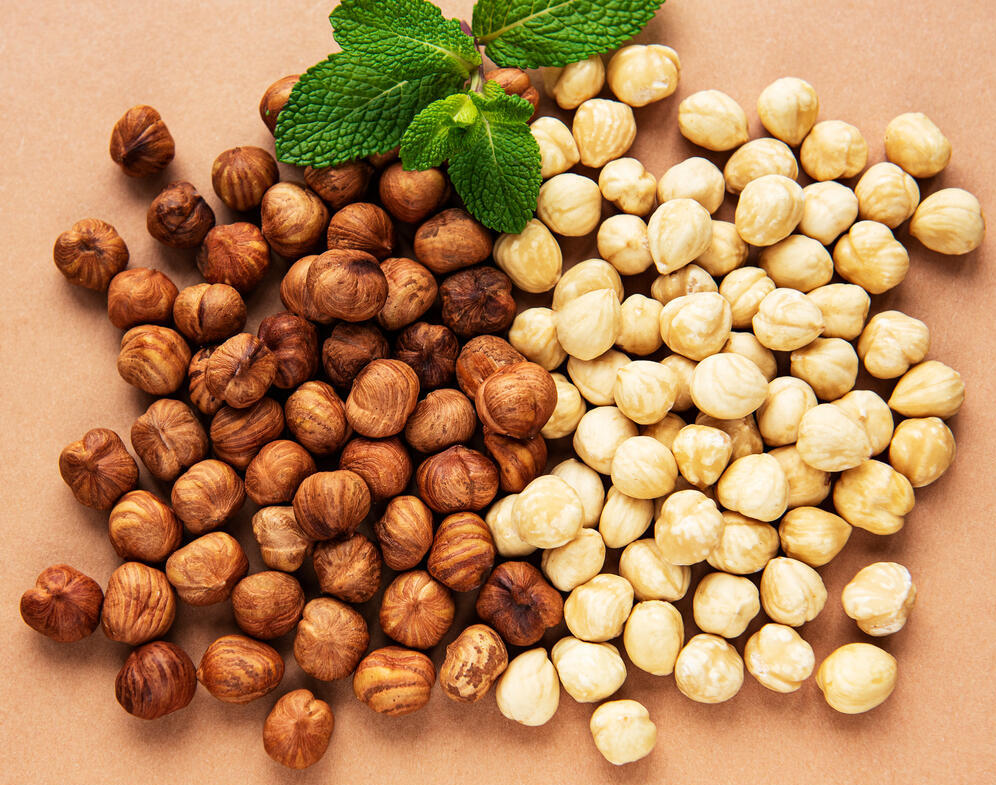
Hazelnuts are another good source of vitamin E and monounsaturated fats
(Photo: Shutterstock/Olena Rudol)
Brazil nuts: One variety you shouldn't overdo
"Brazil nuts are a good example of how each type of nut has its own unique nutritional characteristics," Elbahar says. "They're particularly rich in selenium, an essential mineral involved in various processes in the body, including normal thyroid function and the antioxidant defense system.
Precisely because of their high selenium concentration, there's no need to eat large quantities. Selenium levels in Brazil nuts can vary significantly depending on where they were grown, so eating too many can lead to excessive selenium intake.
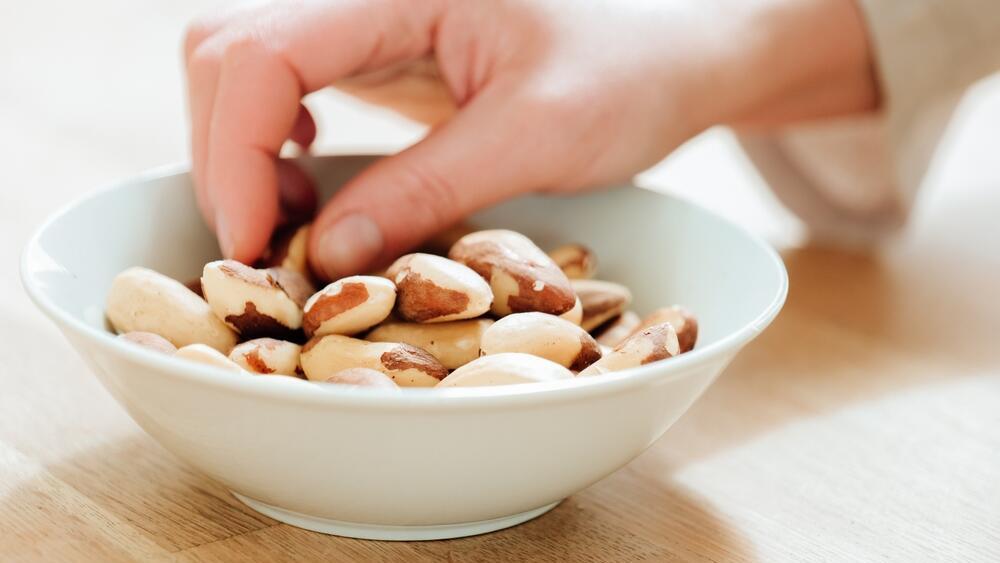
Eating too many Brazil nuts can lead to excessive selenium intake.
(Photo: Shutterstock/yul38885)
To put that into perspective, a single Brazil nut can provide an entire day's selenium requirement. The general recommendation is therefore to limit consumption to no more than one or two Brazil nuts a day, and not necessarily every day. Anyone taking a supplement containing selenium should also take that into account.
What about peanuts?
Peanuts are technically legumes rather than nuts, but they have a similar nutritional profile.
They lead the group in protein content and are generally significantly cheaper.
Which nuts are best for your health goals?
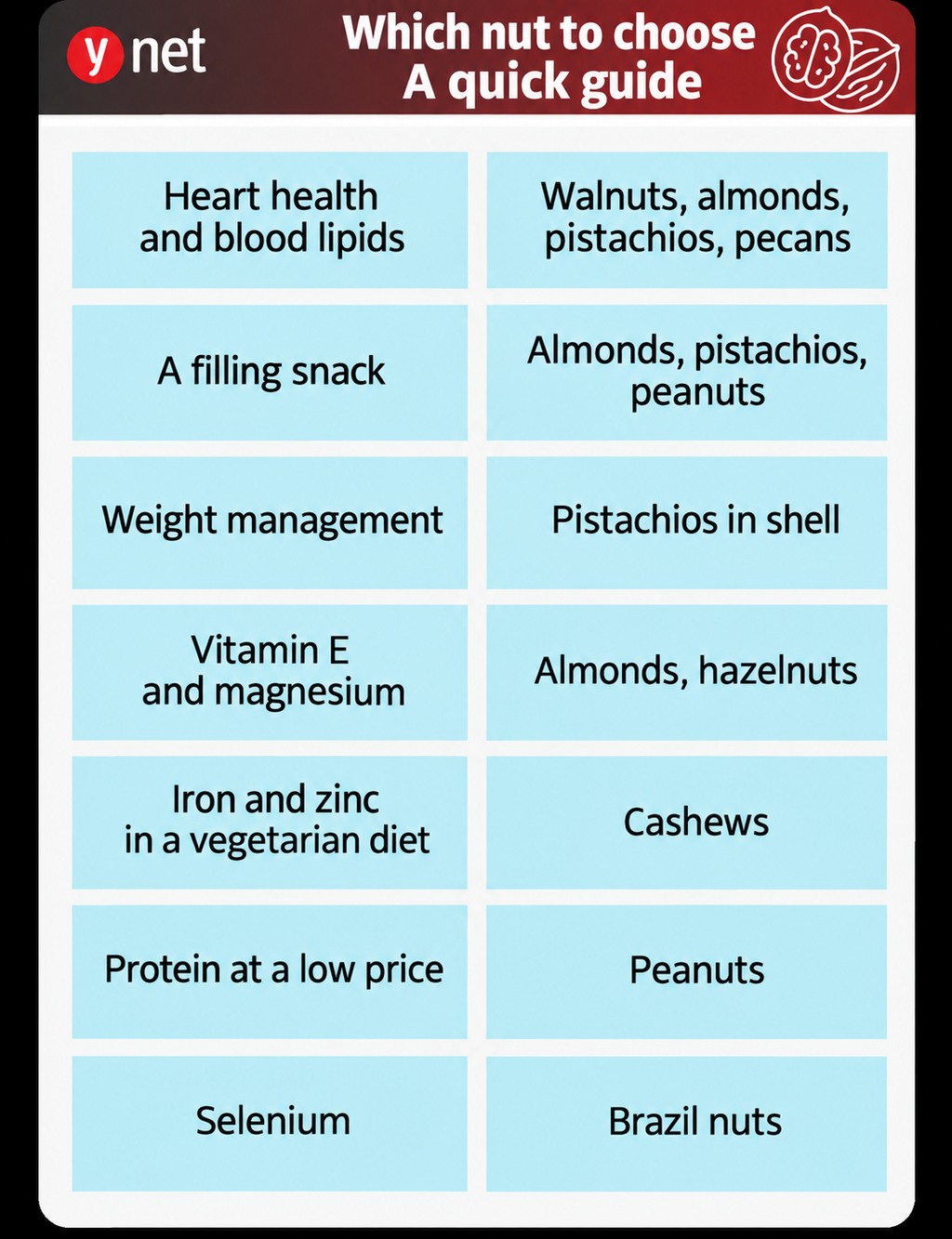
"For anyone looking to support a heart-healthy diet and maintain healthy blood lipid levels, walnuts, almonds and pistachios are options that have been studied in relation to cholesterol and blood fat levels," Elbahar says. "Walnuts also stand out for their ALA content, a plant-based omega-3 fatty acid.
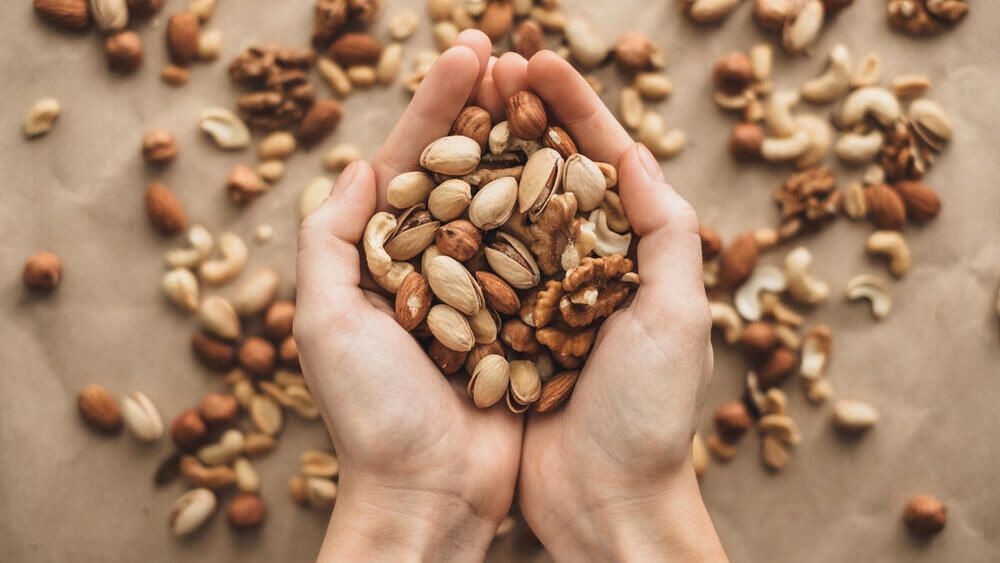
There's no need to choose just one type of nut
(Photo: Shutterstock/nikkimeel)
"For those seeking a nutritious, satisfying snack that fits into a balanced diet, almonds and pistachios provide a combination of protein, fiber and unsaturated fats. And for people who want to increase their vitamin E and magnesium intake, almonds are a good dietary source of both nutrients," she explains.
"For anyone looking to increase selenium intake, Brazil nuts are a particularly concentrated source. But because of that high concentration, there's no need to eat large amounts, and excessive consumption over time can lead to too much selenium."
The bottom line: There's no need to choose just one type of nut. A daily handful combining two or three varieties can provide many of their nutritional benefits.
What's the healthiest way to eat nuts?
- Raw or roasted? Both are fine. It's best to avoid nuts that are fried, candied or heavily salted.
- Storage: Keep nuts in an airtight container in a cool place. For longer storage, refrigerate or freeze them. Nuts that taste bitter or smell unpleasant have likely gone rancid.
- Nut butters: Peanut butter and almond butter are good alternatives, provided they contain only nuts, without added sugar or oil.
- Allergies: Nut allergies can be dangerous. Anyone allergic to one type should consult a doctor before trying others.
- Young children: Whole nuts pose a choking hazard for children under 5. Ground nuts or nut butters are safer alternatives.
This article is intended for general information and is not a substitute for personalized medical or nutritional advice.