

Anyone who has ever tried dieting knows the eternal dilemma: how to satisfy hunger without exceeding your daily calorie limit. A new study published this week in The American Journal of Clinical Nutrition, one of the world’s leading journals in the field, offers surprising findings that may change the way you look at your plate. The bottom line: you can eat more and still lose weight.
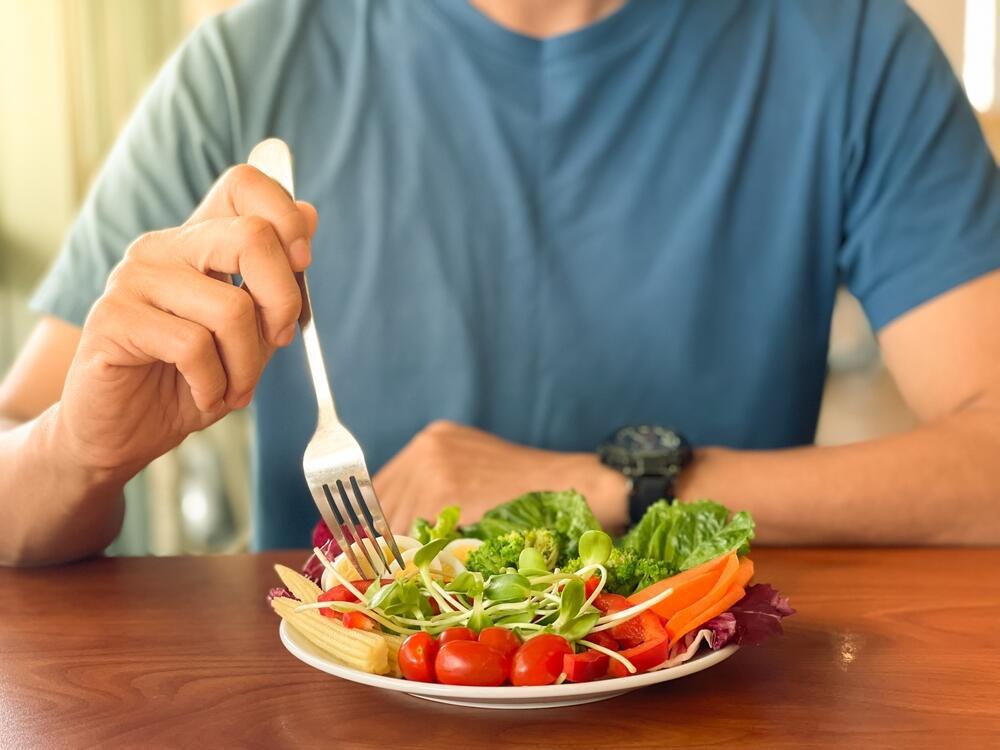
Researchers from the University of Bristol, in collaboration with U.S. experts, found that participants who followed a whole-food diet consumed meals that were 50% larger by weight and volume than those who ate processed foods. Yet, despite fuller plates, the whole-food group consumed an average of 330 fewer calories per day.
Your body’s internal GPS
The findings support a compelling theory: the human body has a built-in 'nutritional intelligence'. The researchers reanalyzed data from a well-known clinical trial by the U.S. National Institutes of Health (NIH) and identified a consistent behavioral pattern. When participants were offered natural foods, they didn’t just gravitate toward calorie-heavy options like steaks, pasta, or cream. Intuitively, they loaded up on fruits and vegetables.
“It’s exciting to see that when people are offered unprocessed options they intuitively select foods that balance enjoyment, nutrition, and a sense of fullness", said Prof. Jeff Brunstrom, an experimental psychologist and lead researcher. He added that we don’t eat only for calories. Our bodies are smarter than we thought; they know to seek out vitamins and minerals.”
According to the researchers, natural diets activate a kind of internal 'brake': when the body looks for vitamins, the most efficient, low-calorie path is through fruits and vegetables. The result? People eat more by volume, feel fuller, and still consume fewer calories.
The fortified pancake trap
The problem begins with ultra-processed foods (UPFs). The study highlights how industrially processed foods disrupt the body’s natural satiety mechanisms.
Take vitamin A, for example. Participants who ate whole foods got the vitamin from carrots and spinach, which are low-calorie, filling choices. Those on processed diets received it mostly from fortified French toast sticks and commercial pancakes.
The result is a trap: the body gets the vitamins it needs, but in the process, it’s forced to take in excessive amounts of calories, sugar, and fat. Processed foods effectively destroy the delicate balance between volume and calories.
Study co-author Dr. Annika Flynn, a senior researcher at the University of Bristol, said that "UPFs deliver both high energy and micronutrients in one hit". That cancels out nature’s healthy competition and pushes people toward overeating and obesity.
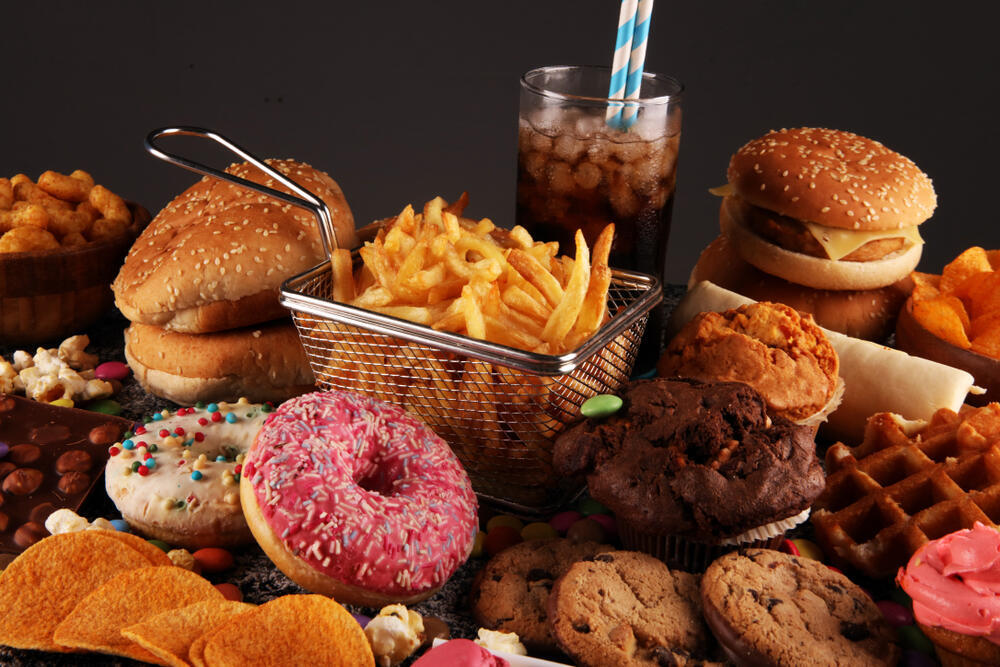
The real danger: ultra-processed food
(Photo: Shutterstock)
No need to fear food
Study co-author Mark Schatzker and author of The Dorrito Effect, summed it up: “Had participants eaten only the calorie-rich foods, they would have fallen short on several essential vitamins and minerals." Fruits and vegetables filled that gap at a lower calorie cost.
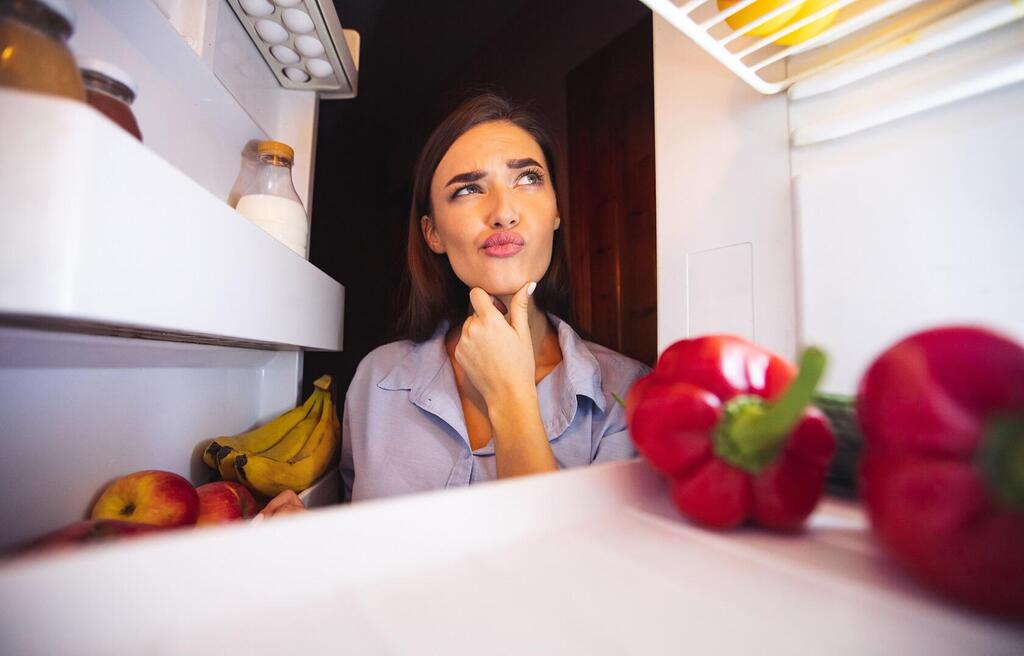
No need to fear
(Photo: Shutterstock)
The study offers an optimistic message: overeating isn’t always the root of the problem, but rather what you’re eating. Switch to natural, unprocessed foods, and there’s no need to go hungry. On the contrary, you can and should load up your plate. As long as the food is in its natural form, your body will know when to stop.