

Tel Aviv Sourasky Medical Center held its NEXTLV 2026 Unboxing Innovation Summit on Monday, alongside the official launch of I-NEXT, the hospital’s research, development and innovation hub.
The event, described by the medical center as the first innovation conference of this scale produced by a hospital in Israel, was held at the Tel Aviv Museum of Art and at Tel Aviv Sourasky Medical Center. The museum hosted the innovation stage, while a separate research stage was held on the roof of the hospital’s emergency department.

The conference focused on the changing role of hospitals in medical research and development, and on collaborations between clinical medicine, artificial intelligence, technology, academia and creative fields such as art, movement and cuisine.
About 1,500 participants from Israel and abroad attended, including senior figures from the health care system, academia and industry. International guests came from institutions including Harvard Medical School, Cedars-Sinai and NYU Langone Health. Participants also included Tel Aviv-Yafo Mayor Ron Huldai, Health Ministry Director General Moshe Bar Siman-Tov, Tel Aviv University President Prof. Ariel Porat and senior Tel Aviv Sourasky Medical Center officials.
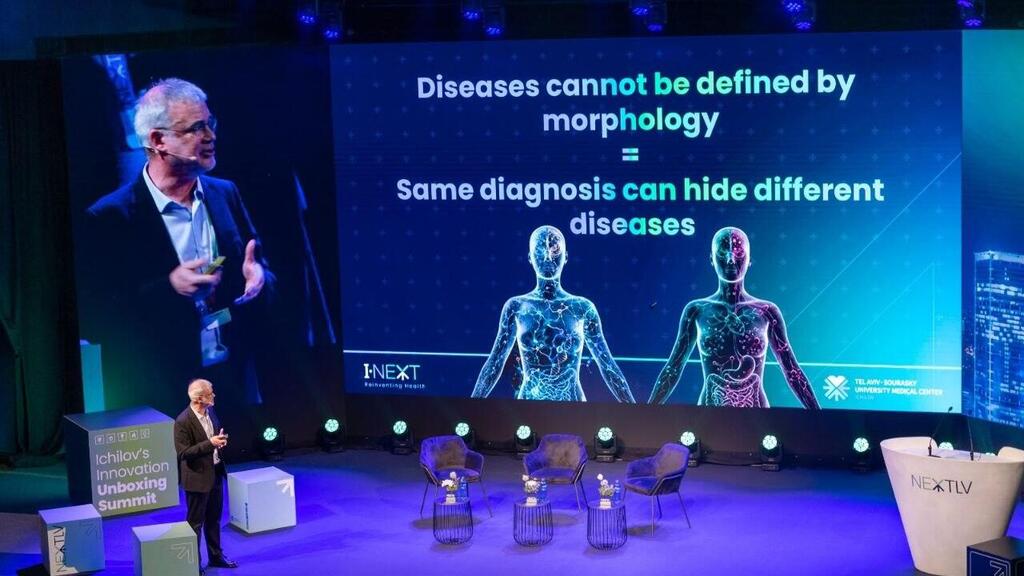
About 1,500 participants from Israel and abroad attended, including senior figures from the health care system, academia and industry
(Photo: Tel Aviv Sourasky Medical Center )
One session, titled “The Art of Precision,” brought together chef Assaf Granit and Dr. Solomon Dadia, director of surgical innovation at Tel Aviv Sourasky Medical Center, for a discussion on the overlap between creativity in fine dining and precision in the operating room. The conversation touched on planning, performance under pressure and advanced technologies such as 3D printing.
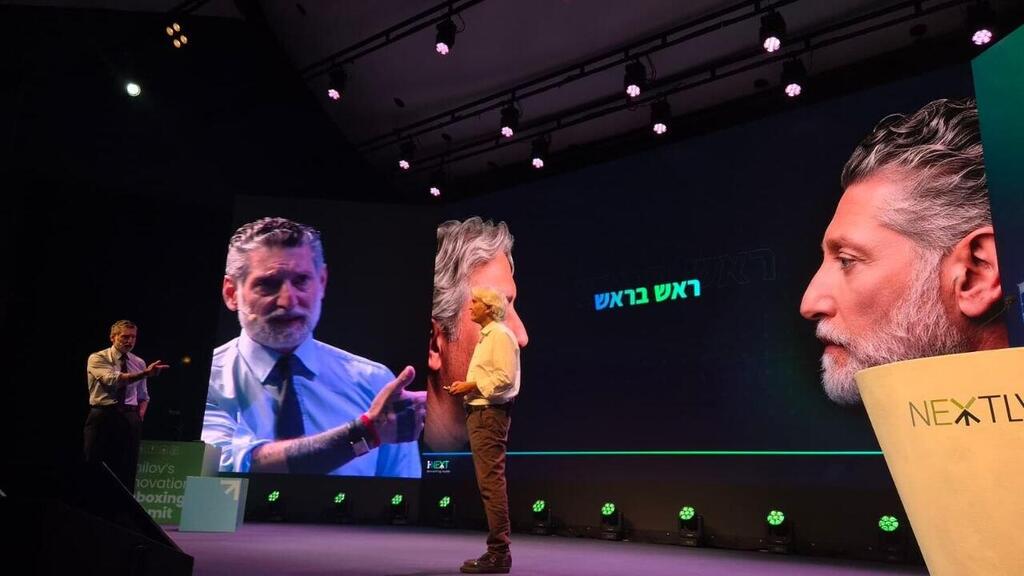
Chef Assaf Granit
(Photo: Tel Aviv Sourasky Medical Center )
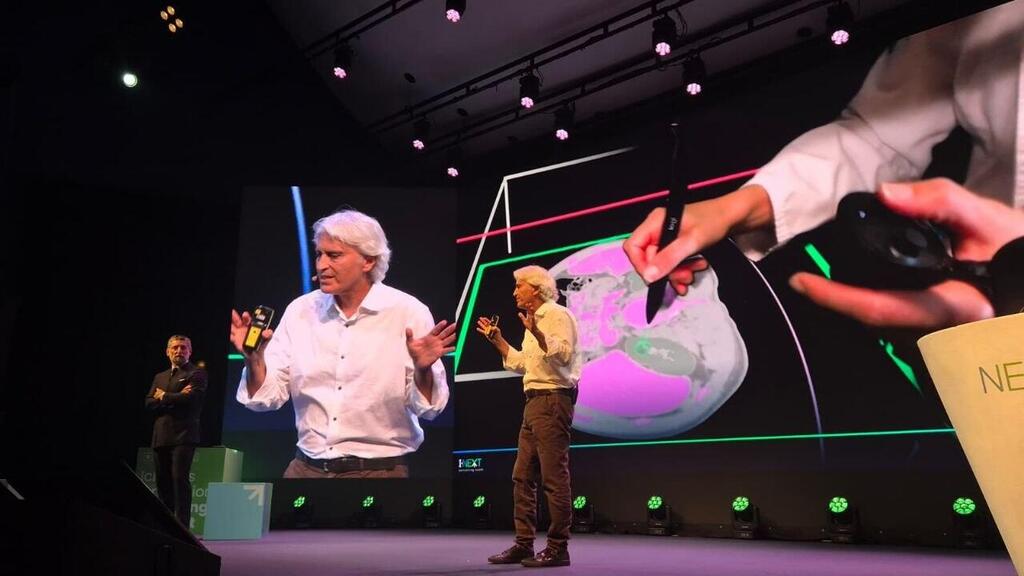
Dr. Solomon Dadia
(Photo: Tel Aviv Sourasky Medical Center )
Another session, “Movement in Medicine,” featured Ohad Naharin, Israel Prize laureate and creator of the Gaga movement language, alongside Prof. Roy Alcalay, director of the medical center’s Movement Disorders Institute. The discussion examined the connection between neuroscience, movement, rehabilitation and quality of life for patients, including people with Parkinson’s disease.
The summit also included a strategic panel on Israel’s position in health care AI
(Photo: Tel Aviv Sourasky Medical Center )
The summit also included a strategic panel on Israel’s position in health care AI, moderated by Liat Naddai Arad, director of I-NEXT DATA. Participants included Shahar Bracha, Prof. Ran Balicer, Hadas Bitran and Dr. Razvan Ionescu.
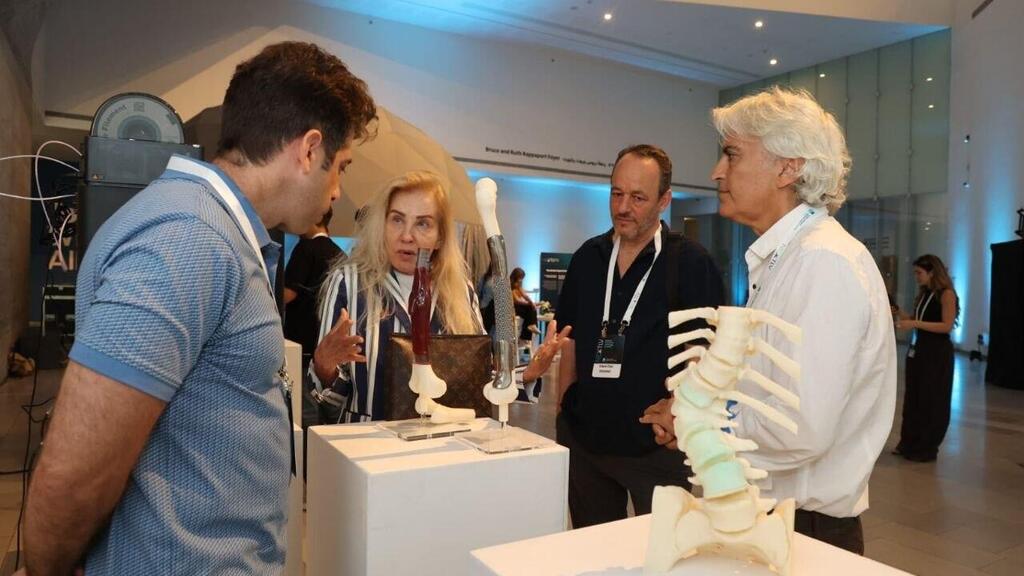
Alongside the sessions, participants visited immersive lab spaces presenting 3D-modeled and printed anatomical models, a simulation room for real-time training and short-duration psychedelic treatments for post-traumatic stress disorder developed through the Sagol Brain Institute.
Prof. Eli Sprecher, CEO of Tel Aviv Sourasky Medical Center, said at the conference that major hospitals have undergone a significant transformation in recent years.
“The mission is not only to provide every person with the most advanced medical care available today, but also to take part in shaping and developing the medicine of tomorrow,” he said.
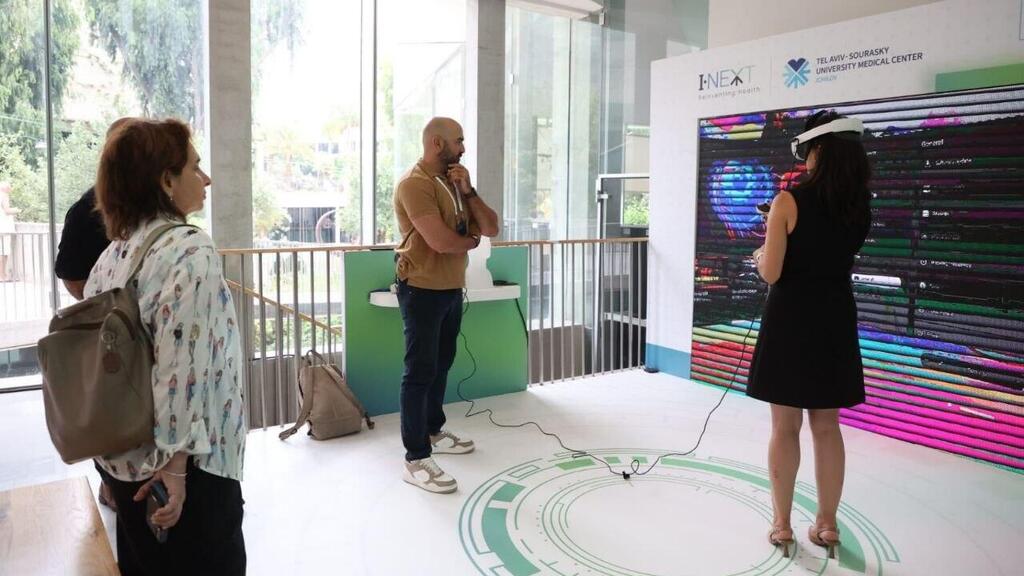
NEXTLV 2026 Unboxing Innovation Summit
(Photo: Tel Aviv Sourasky Medical Center )
Sprecher said the new I-NEXT hub is intended to connect clinical work with artificial intelligence, advanced technology and fields such as art, textiles and cooking. He said such cross-disciplinary work is becoming a prerequisite for future medical breakthroughs.
Prof. David Zeltser, vice president for research, development and innovation and director of the medical center’s internal medicine division, said the initiative is meant to support practical medical solutions that emerge from hospital needs.
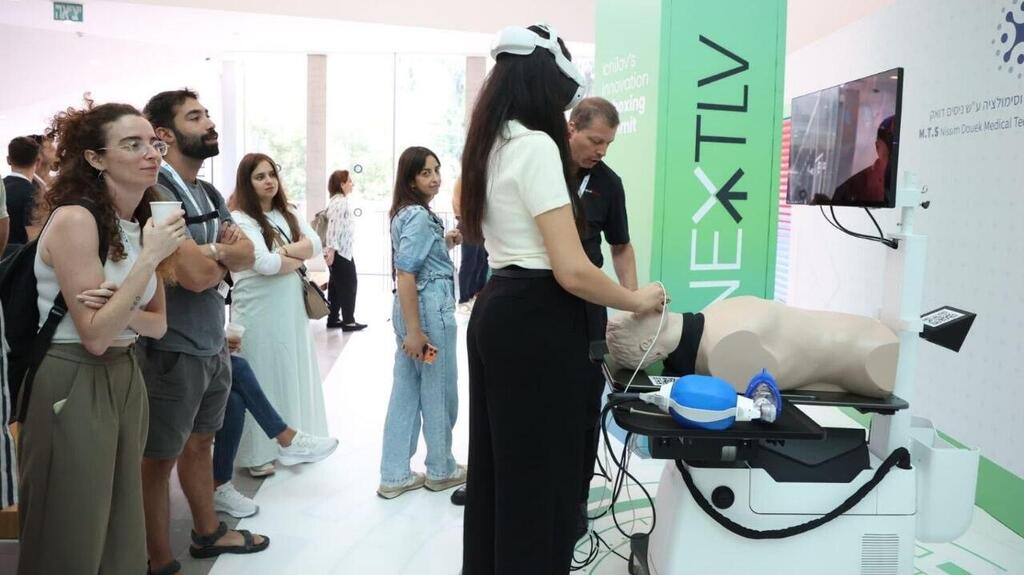
NEXTLV 2026 Unboxing Innovation Summit
(Photo: Tel Aviv Sourasky Medical Center )
“Innovation is not a slogan for us. It is a daily working tool that grows out of the real needs of departments, doctors and patients,” Zeltser said.
He said advanced data access, simulation labs and tools such as 3D printing allow researchers and entrepreneurs to move beyond familiar models and develop applied medical solutions.
“The goal is one thing only: to bring better medicine to our patients,” he said.