


Were you told as a child that you need orthotics for flat feet? For decades, flat feet were considered a medical issue that required urgent correction—orthotics, special shoes, and sometimes even further treatments. But today, the picture is very different: most children and adults with flat feet live completely normal lives, without pain or limitations, and doctors now say there's no need to intervene unless there are symptoms.
So when is it really a problem that requires treatment? When can you just carry on as usual? And how can you identify the rare exceptions?
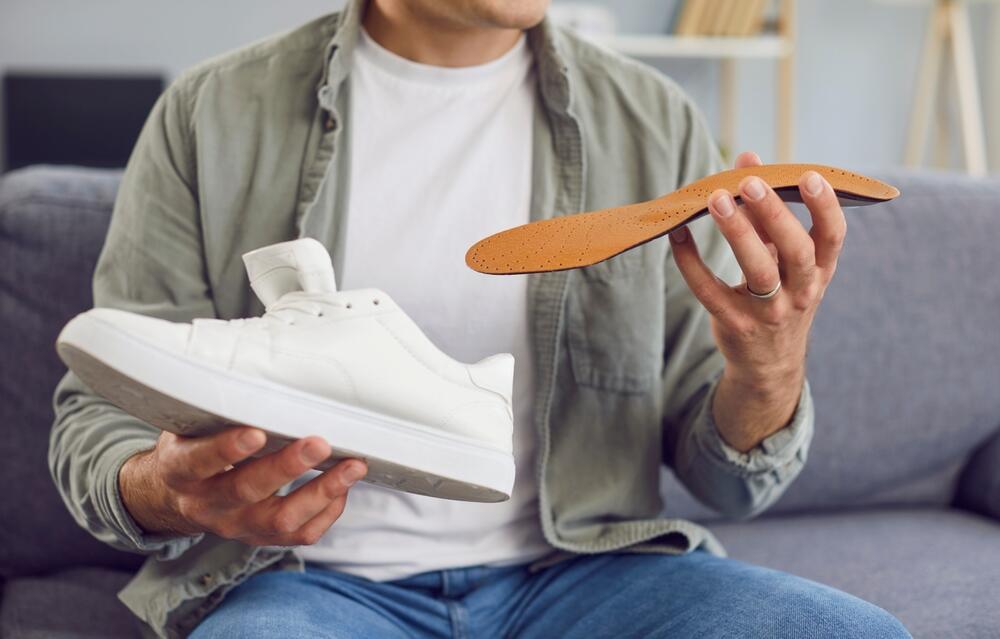
Congenital flat feet: common, but not always a problem
Flat feet (flatfoot) is a common condition where the foot’s arch is flatter than usual, or in some cases nearly absent. For some people, this is a perfectly normal structure that causes no issues at all. For others, it can lead to pain, deformities, or impaired joint function. In some countries, the informal term “duck foot” is used, due to the flattened shape resembling a duck's foot.
According to Prof. Eran Tamir, an orthopedic surgeon specializing in foot and ankle surgery at Maccabi Healthcare Services, “The human foot has existed for 3.5 million years, and in its current form for about 300,000 years. For most of that time, people walked barefoot, and there are still people today who do so without pain or problems—it’s part of the evolutionary-historical perspective.”
Congenital flat foot is mostly hereditary. Prof. Tamir explains there are two main types:
- Flexible flat foot – A condition where the joints and general anatomy are normal, but the arch is low. “This is very common in children and even in adults—about 15% of the general population live this way,” Prof. Tamir explains. “The vast majority have no symptoms, live normal lives, and even participate in sports with no limitations. In the past, orthotics were recommended for children with this condition, but today we know they’re unnecessary, as they don’t alter the foot’s structure.”
- Rigid flat foot – A rarer condition involving a congenital bone deformity. “In these cases, the foot is not flexible, and surgical intervention is sometimes needed. Diagnosis is made by a specialist and sometimes with X-rays or CT scans,” says Prof. Tamir.
He emphasizes that flat feet are not a pathology, but part of a range of normal variations—just like differences in height or nose shape. What matters is not how the foot looks, but whether it causes symptoms.
Acquired flat feet: a condition that can develop over time
In contrast, some people are born with normal arches that collapse over time—usually around the age of 50–60. This condition is known as acquired flat foot.
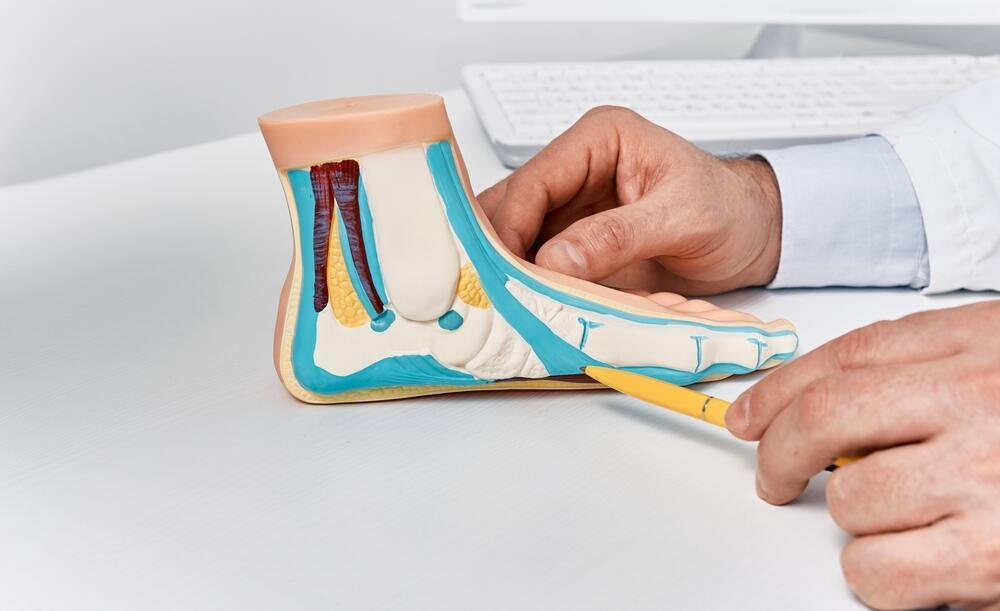
(Photo: Shutterstock)
“The most common cause is degeneration of the posterior tibial tendon—the main tendon supporting the arch. It runs along the inner shin and connects to the bones of the foot. When it stretches, tears, or loses function, the arch collapses,” Prof. Tamir explains. “It’s more common in women aged 50–60 and is sometimes related to excess weight. In such cases, pain may occur and it’s important to consult an orthopedic specialist.”
Additional risk factors for acquired flat foot include: weakening of muscles and tendons, excess weight placing stress on the foot, trauma or fractures in the foot or ankle, neurological or rheumatological diseases, diabetes and Charcot foot—a condition where joints break down, creating a reverse arch and midfoot bulge that can lead to pressure wounds
Symptoms, diagnosis and treatment
Many people with flat feet experience no problems at all. However, when flatfoot becomes symptomatic, the following may occur: Pain along the inner side of the foot (where the arch should be), pain on the outer side of the ankle, general foot, ankle or shin pain, accelerated wear on the inner edge of shoes, difficulty walking or standing for long periods and in advanced cases – outward deformity of the foot.
Diagnosis is made through a physical exam by an orthopedic specialist, sometimes accompanied by imaging such as X-rays, CT scans or MRIs if tendon damage is suspected.
What about treatment?
The main principle: treatment is only needed if symptoms are present. “There is no need to correct foot structure in the absence of pain or limitation,” emphasizes Prof. Tamir. “In most children, no treatment is needed at all. In rare cases of rigid and inflexible flat feet, surgery may be considered.”
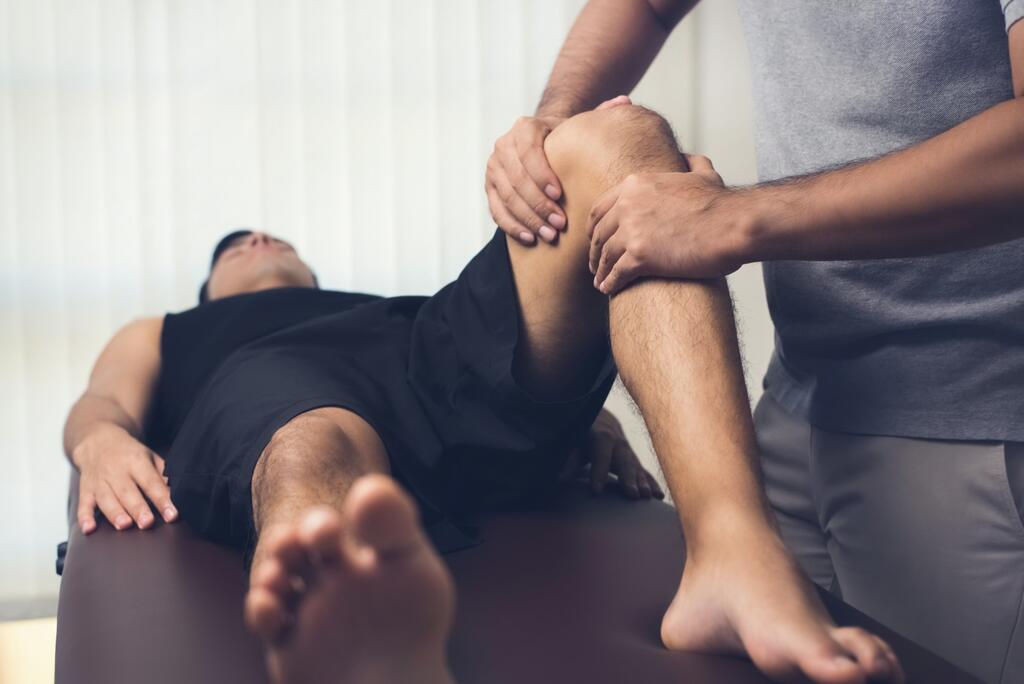
For adults, treatment options fall into two main categories: conservative and surgical.
“Conservative treatment is the first line and suits most patients,” says Prof. Tamir. “It includes custom orthotics that support the arch and reduce strain, supportive footwear, and sometimes an ankle brace to stabilize the foot. Targeted physical therapy also helps by strengthening the supporting muscles, improving balance, and reducing pain. In many cases, combining weight loss with general fitness significantly improves the condition.”
If conservative treatments fail and pain persists or worsens, surgery may be considered. “Surgery is needed only in a minority of cases but is highly effective for those patients. It involves reconstructing the foot’s structure, correcting the arch collapse, and sometimes repairing damaged tendons.”
He adds that “patients who undergo surgery usually regain full function and the ability to walk pain-free.” However, most prefer to exhaust conservative options first—and rightly so, as they are usually sufficient.
Do flat feet cause knee pain if untreated?
A common belief is that flat feet inevitably cause lower back and knee pain. Prof. Tamir clarifies: “This has not been scientifically proven. Large studies—including one conducted in the Israeli army comparing soldiers with flat feet to those with normal arches—found no link between flatfoot and knee pain. Despite the widespread assumption, there is no scientific evidence that orthotics can fix or prevent back or knee problems caused by flat feet.”
When should you see a doctor?
“It’s recommended to consult a specialist if flatfoot is accompanied by pain, limits daily activity, or shows significant progression in foot shape over time,” says Prof. Tamir. “Early intervention can help prevent more advanced issues in other joints—such as the knee, hip, or lower back.”
Physical therapy for flat feet: relief and strengthening, not a cure
Hadas Kahalani, a regional physical therapist for Clalit Health Services in the Dan–Petah Tikva district, explains that “physical therapy does not change the anatomical structure of the foot, and therefore does not ‘correct’ or ‘cure’ flatfoot itself. However, in cases where pain appears in the feet or ankles—often due to prolonged standing—physical therapy can be helpful as part of the overall treatment.”
 Hadas Kahalani Photo: Courtesy
In such cases, she says, patients are often referred for custom orthotics or to a foot specialist, and simple exercises may be introduced to strengthen the muscles that support the arch and help prevent inflammation.
“The goal of these exercises is to enhance support for the foot, reduce strain, and prevent pain,” Kahalani explains. “They usually include simple activities like rolling a tennis ball or small water bottle under the foot, arch contractions and relaxations, or targeted stretches.”
She adds that in cases of excess weight, weight loss is also a key part of treatment, as it reduces pressure on the feet.
Regarding the combination of physical therapy and orthotics, Kahalani clarifies: “Typically, if there is a clinical need, orthotics are fitted first. If there is no pain or functional limitation, there is no reason to intervene. Once orthotics are in place, targeted exercises can be added as a complementary treatment approach.”