

Bar-Ilan University is establishing a multidisciplinary research center to examine the post-traumatic consequences of the October 7 attacks and the ensuing war, the university said.
The center will conduct large-scale studies on populations affected by the war, including former hostages and their families, soldiers, evacuees from communities in the south and north, as well as medical teams, emergency responders and journalists.
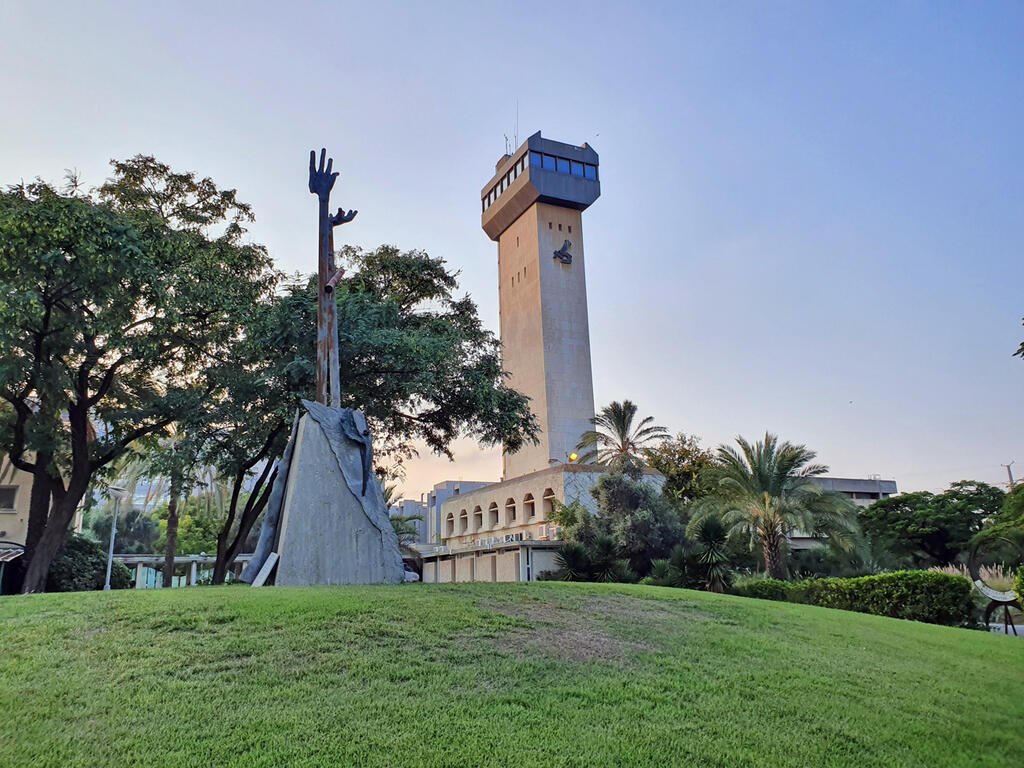
Bar-Ilan University
(Photo: Dana Kopel)
It will be headed by Prof. Rivka Tuval-Mashiach, Prof. Danny Horesh and Dr. Yael Shoval-Zuckerman, all researchers at the university.
“Tragically, in the wake of the war, we have a historic opportunity to understand the impact of trauma in real time,” Horesh, a faculty member in the Department of Psychology, said in a statement. “We aim to identify both vulnerability and resilience in order to improve diagnosis and treatment. Trauma manifests in both body and mind, and we need research that addresses all these dimensions.”
According to the university, the center will bring together researchers from fields including mental health, biology and neuroscience, medicine, law, data science and communication. The aim is to examine the war’s consequences using a range of methodologies, reflecting what researchers describe as trauma’s emotional, cognitive, biological, social and policy-related dimensions.
The first planned study, now in advanced preparation stages, will focus on former hostages who have returned from captivity and their families. Researchers intend to examine psychological, biological and social effects of captivity, identify risk and resilience factors and assess therapeutic responses.
The study is expected to explore how the effects of captivity may persist and change over time, recognizing that release does not necessarily mark the end of psychological hardship.
Beyond those directly affected by combat, the center plans to study broader processes within the general population. Researchers say the effects of the past two years have reached much of Israeli society, and several projects are expected to follow participants over time to assess longer-term consequences.
The center will also serve as a training framework for graduate students conducting master’s theses and doctoral dissertations in trauma-related fields.
Its steering committee will include senior Bar-Ilan researchers, as well as international trauma experts and representatives of affected groups, including former hostages, soldiers and evacuees.
University officials said they expect the research findings to inform policy discussions in areas such as health care, education and welfare as Israel continues to address the aftermath of the war.