

The global medical community is experiencing a major paradigm shift, and at the center of this conversation is ibogaine - a powerful, naturally occurring psychoactive substance derived from the root of the West African Tabernanthe iboga shrub.
Used for centuries in traditional Bwiti spiritual ceremonies in Gabon, ibogaine has captured growing attention in the Western medical world over the last few years.
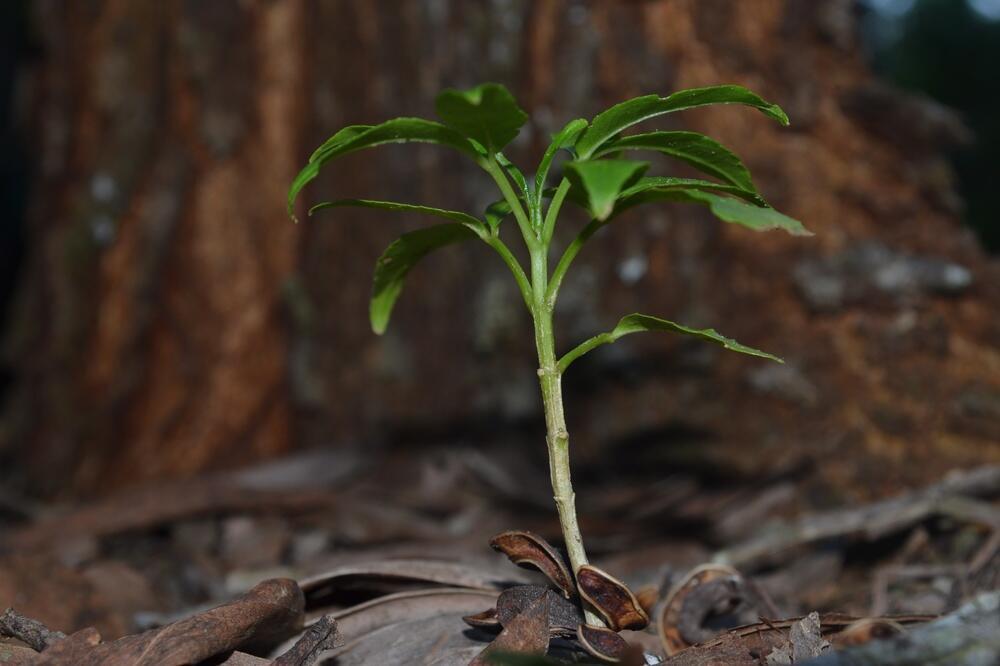
Why is it suddenly capturing headlines? Unlike traditional maintenance therapies for opioid addiction, which substitute one drug for another, ibogaine appears to offer an abrupt, intense biological “reset.” This momentum has coincided with significant policy shifts.
In 2025, Texas approved $50 million in state funding for ibogaine drug-development trials - described as the largest publicly funded psychedelic research initiative ever launched by a government. In April 2026, a U.S. federal executive order added support to accelerate psychedelic research, including ibogaine.
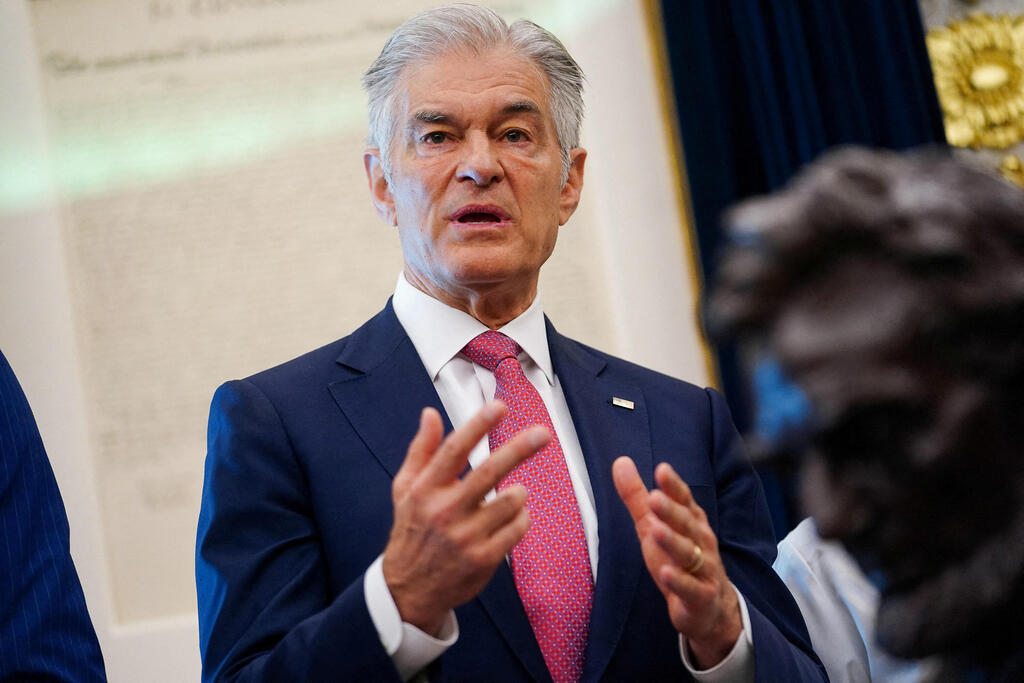
Administrator for the Centers for Medicare & Medicaid Services Mehmet Oz speaks, after US President Donald Trump signed an executive order about easing restrictions on mental health treatments, including, ibogaine, in the Oval Office of the White House in Washington, D.C., April 18, 2026
(Photo: REUTERS/Nathan Howard/File Photo)
It is important to stress that ibogaine remains an investigational drug. It carries serious cardiac risks (including potentially fatal arrhythmias) and must only be administered under strict medical monitoring. Much of the most striking evidence still comes from early-stage, uncontrolled studies. With that caution in mind, ongoing research is revealing several intriguing dimensions to this African root.
Here are four surprising facts, grounded in current research, about ibogaine:
It may dramatically reduce withdrawal symptoms
For individuals struggling with severe opioid dependency, the agonizing physical process of detoxification is one of the largest barriers to sobriety. Case series and early studies report that ibogaine can reduce a large proportion of severe opioid withdrawal symptoms and cravings within hours of ingestion. It is thought to act partly through its metabolite noribogaine, which interacts with the brain’s opioid system.

(Illustration: Shutterstock)
These observations are striking, but they derive largely from uncontrolled case series rather than randomized controlled trials.
It may promote neuroplasticity
Long-term substance use and trauma can damage the brain’s neural circuitry. Preclinical studies suggest that ibogaine acts as a “neuroplastogen”: it stimulates production of Glial Cell Line-Derived Neurotrophic Factor (GDNF), a protein that promotes neuron survival and growth and supports neuroplasticity - the brain’s capacity to rewire and adapt.

Ibogaine
(Photo: Shutterstock)
To date, this mechanism is documented mainly in cell and animal models, and its translation to structural repair in humans has not yet been established.
It shows promise for veterans with PTSD and traumatic brain injury
In a notable study published in Nature Medicine, researchers evaluated special-operations veterans suffering from combat-related traumatic brain injury (TBI) and PTSD. Following a single supervised dose of ibogaine (combined with magnesium and structured psychological support), participants reported large reductions in PTSD, depression and anxiety symptoms, with many achieving clinically meaningful improvement.
 Prof. Itamar Grotto Photo: Shahar Azran
These results are encouraging, but the study was a small, open-label, observational trial without a control group, so the findings should be regarded as preliminary and hypothesis-generating rather than proof of a cure.
It induces an intense, introspective 'life review'
Beyond its proposed physical mechanisms, ibogaine produces a distinctive, deeply introspective, dream-like psychological state that can last many hours. Patients often describe an immersive “waking dream” in which they revisit memories and confront the experiences underlying their addictive behavior. Many report emerging with a renewed sense of clarity, purpose and self-forgiveness - an experience clinicians believe may be part of how the treatment exerts its psychological effects.
Ibogaine is not a proven cure, and its risks are real. But the convergence of early clinical signals, mechanistic research and unprecedented public investment makes it one of the most closely watched compounds in modern psychiatry and addiction medicine. Rigorous, controlled trials - now beginning to take shape - will determine whether its early promise can be safely and reliably realized.
- Prof. Itamar Grotto is a physician specializing in public health and epidemiology, a former Health Ministry deputy director general, a former member of the Executive Board of the World Health Organization and currently Chairman of PsyRx.