


Our sleep position may have a greater impact than we thought — not only on the back or neck, but also on eye health. According to a new study, sleeping without a pillow may reduce the risk of developing glaucoma, a silent disease that can progress unnoticed and lead to vision loss or even blindness.
Glaucoma is an eye disease that damages the optic nerve and is sometimes caused by high intraocular pressure, thinning of the nerve or fluid buildup. According to findings published in the British Journal of Ophthalmology, eye pressure among glaucoma patients was higher when they slept with two pillows compared with lying without a pillow. Blood flow to the eye was also lower when the head was elevated with pillows.
Gallery

A new study points to a link between sleep position, eye pressure and glaucoma risk
(Photo: Shutterstock)
“The effect of head position on intraocular pressure has been known for many years, mainly in the context of glaucoma diagnosis — especially angle-closure glaucoma,” said Dr. David Landau, an ophthalmologist with Clalit Health Services in the Jerusalem District. “In the past, suspected patients were tested by having them lie face down for about an hour; an increase of more than 8 mmHg in intraocular pressure was considered a diagnostic finding for glaucoma. Accordingly, the recommendation was to avoid lying flat while sleeping.”
Give up the pillow or not? That is the question
Researchers believe the reason may be forward bending of the neck, which puts pressure on the veins. They said glaucoma patients may benefit from avoiding sleep positions that place the neck in that posture. Dr. William Lu, medical director at Dreem Health, who was not involved in the study, told Fox News the findings were “interesting and important.”
 Dr. David Landau Photo: Clalit Health Services
“The study highlights how something as simple as sleep posture can influence intraocular pressure in people with glaucoma,” he said.
However, he stressed that the research is preliminary. He said evidence now suggests that both lying flat and elevating the head too much may affect intraocular pressure and glaucoma, making it important to find the right balance between the two.
Sleeping without a pillow may help maintain the neck’s natural alignment for some people, especially back sleepers. Lu said this can reduce strain on the cervical spine, improve comfort and ease morning stiffness. In some cases, he added, it may also reduce pressure points caused by pillows that are too thick or do not provide proper support.
On the other hand, he said sleeping without a pillow is not suitable for everyone. For side sleepers in particular, a pillow is needed to maintain proper alignment between the head and spine.
Lu said that without a pillow, the neck may tilt downward and create strain over time. For others, giving up a pillow may worsen snoring or affect airway positioning, and people with neck or shoulder problems may actually feel worse without proper support.
The surprising link between pillows and eye pressure
For people with glaucoma or those at risk, Lu recommends consulting a medical professional about sleep position and aiming for a posture in which the head and neck are aligned, without excessive elevation.
“Small adjustments in sleep setup can be a simple but meaningful way to support overall health,” he said.
Dr. Sama Tahir, a sleep disorders specialist in New York, also addressed the findings and said they align with previous studies. “Elevating the head of the bed itself can reduce eye pressure, but using multiple pillows may not have the same effect – and could even be counterproductive in some cases,” she told Fox News.
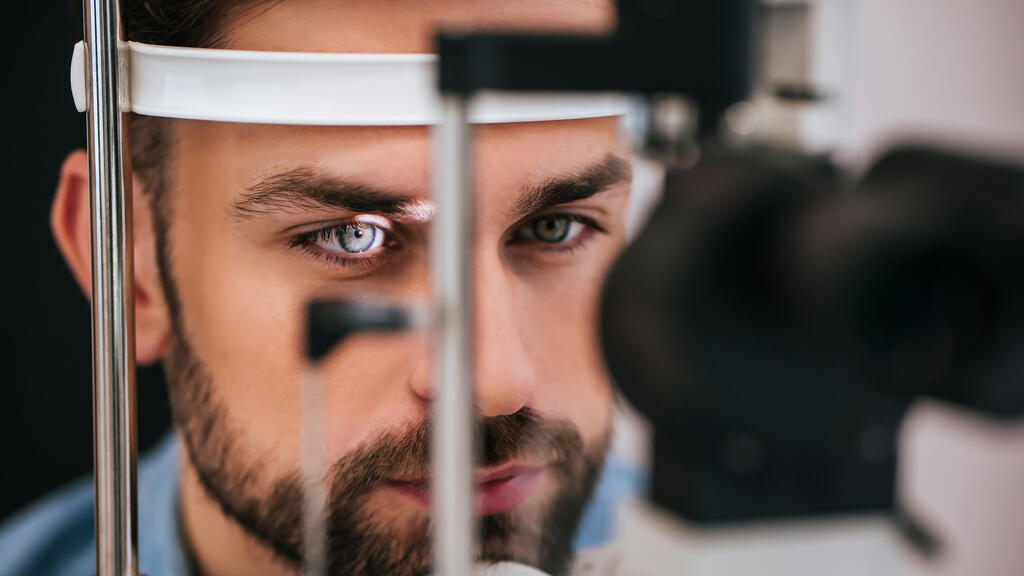
A routine eye exam can help detect glaucoma early and provide personalized recommendations
(Photo: Shutterstock)
Tahir emphasized that there is “very limited high-quality evidence” that sleeping without a pillow offers health benefits. “What matters most is maintaining proper alignment of the cervical spine, and that varies from person to person,” she said. “Without adequate support, especially for side sleepers, the neck can fall out of alignment.”
That can lead to neck pain and stiffness, morning headaches and discomfort in the shoulders and hands, she said. “So, for many people, especially side sleepers, skipping a pillow can actually make sleep quality worse,” she added.
She also said people with glaucoma or those at risk should avoid sleeping face down, a position that puts pressure on the eyes, and should be careful with especially high pillows or multiple pillows. In addition, she said, attention should be paid to side sleeping, since the lower eye may be under higher pressure.
Landau summed up with practical advice, saying glaucoma patients or people with risk factors should consult a certified physical therapist to adjust their sleep position and optimal head height. This can help reduce the risk of increased intraocular pressure while preventing orthopedic problems such as neck and back pain caused by improper posture.
First published: 09:38, 04.28.26