


Your reusable water bottle may look clean, filled only with clear, fresh water, but that doesn’t mean it’s actually sanitary. Even if you're only using it for water, health experts stress: regular cleaning is a must.
With every sip, reusable bottles are exposed to bacteria from your mouth and from your hands, which touch the cap, straw or spout, precisely the areas where contaminants tend to build up. Their design often includes hard-to-reach crevices that can become breeding grounds for bacteria, mold and other microbes if not properly cleaned.

While your bottle may appear harmless, when it's not cleaned regularly, it can become a health risk. Bacterial and mold buildup can lead to symptoms such as stomachaches, throat irritation and even worsening allergies or asthma.
A hidden health hazard
Dr. Khozayma Khamaysi, director of infectious diseases unit at Clalit Health Services in northern Israel, says many patients report symptoms like coughing, discomfort, throat irritation, a strange taste in the mouth or even gastrointestinal issues and allergy flare-ups.
"In some cases, it's related to using a dirty reusable bottle," she explains. "Not every cough or sore throat is caused by a dirty bottle, and a proper medical assessment is always necessary. However, the role of bottle hygiene in our overall health shouldn’t be overlooked.
Experts may not all agree on the perfect cleaning frequency or method, but they do agree on one thing: neglect is not an option. Even occasional rinsing is far better than none at all.
A breeding ground for germs and fungi
According to Dr. Khamaysi, bottles should be cleaned regularly, even when used only for water, because they offer an ideal environment for microorganisms, including both bacteria and fungi.
 Dr. Khozayma KhamaysiPhoto: private
“Each sip introduces bacteria from your mouth, and further contamination comes from your hands touching the cap, straw or spout, exactly where microbes collect,” she says. The bottle market is vast, with trendy designs for both kids and adults, featuring complex lids and straws that are often difficult to clean thoroughly. Those tight spaces are where microbes settle.
And it doesn’t matter what the bottle is made of - plastic, stainless steel or glass - dirt and germs will accumulate. However, plastic bottles are more prone to tiny scratches and cracks, which serve as hiding places for bacteria. Dr. Khamaysi notes that glass or metal bottles are generally better, since plastic can release microplastics and other chemicals into the water.
How to properly wash your bottle
Dr. Khamaysi recommends a simple routine: scrub with a sponge or bottle brush using hot water and soap, inside and out. “Then rinse well and let it dry completely before refilling. Never close the bottle while it's still damp, as this creates an ideal environment for contaminants to grow."
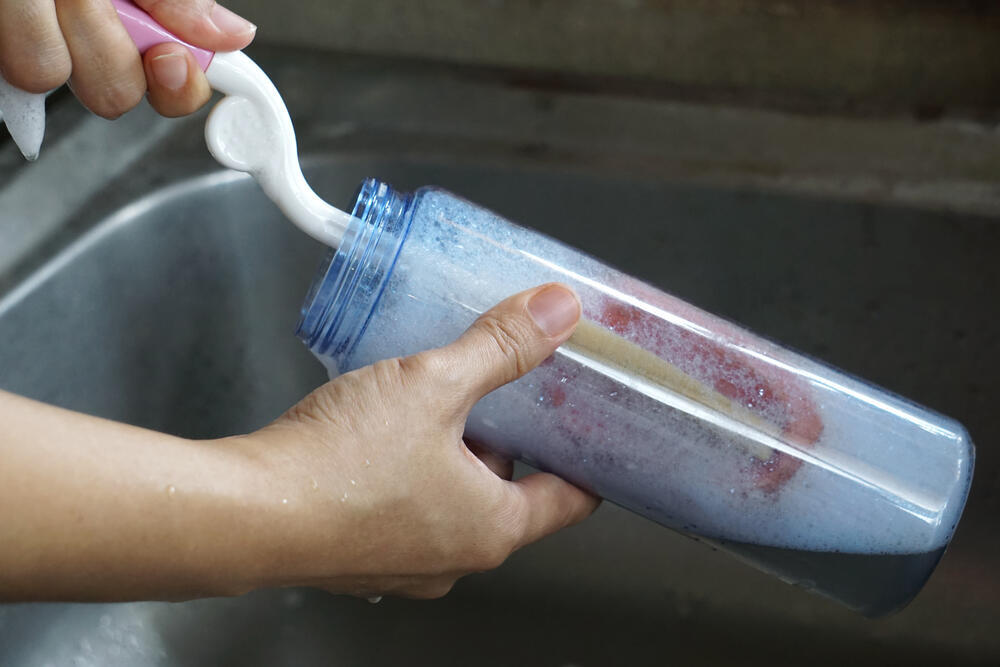
Scrub with a sponge or bottle brush using hot water and soap, inside and out
(Photo: Shutterstock)
For a deeper clean, try putting the bottle in the dishwasher (if it's dishwasher-safe), soaking it overnight with a denture-cleaning tablet or scrubbing with warm water and either vinegar or baking soda. These small steps can make a big difference.
Most experts suggest a simple daily rinse with soap and water, plus a thorough clean at least once a week. If daily washing feels like too much, the bare minimum should be once every two weeks, along with small habits like rinsing the spout each time you refill.
But if you're drinking more than just water, such as protein shakes, energy drinks or anything sugary, you should clean it immediately. These beverages leave behind sugars and residues that bacteria love, making daily cleaning essential.
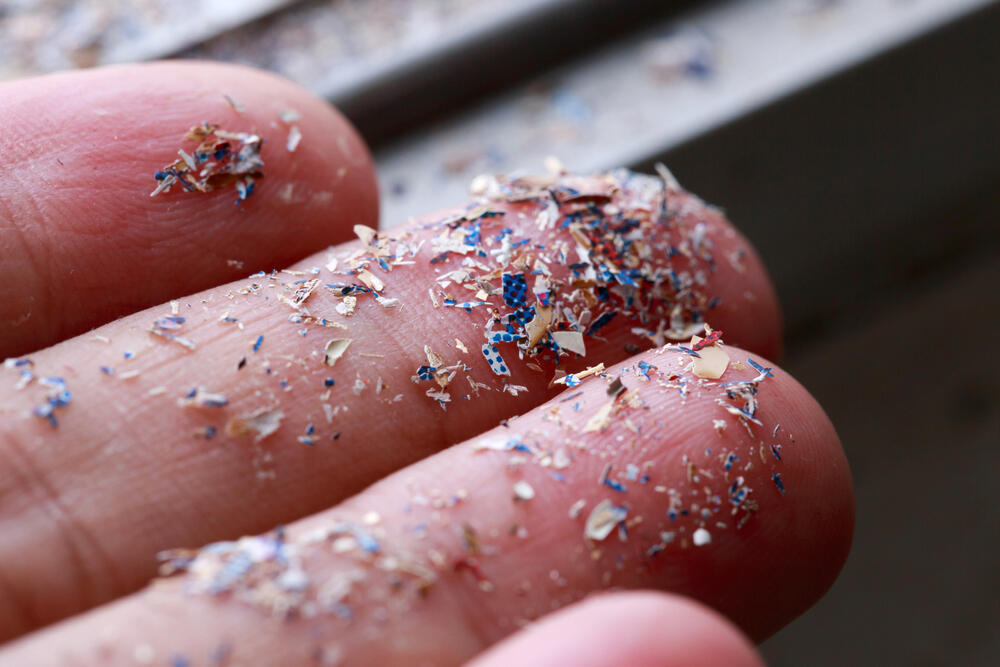
Plastic bottles can release chemicals into the water and scratch more easily
(Photo: Shutterstock)
Dr. Khamaysi adds that over time, a sticky film can form inside the bottle, providing a surface for microbes to thrive. Once that layer develops, a simple rinse won't cut it, and then you need hot water, soap and a proper brush to reach every part, including the cap and spout. “The more often you clean, the better,” she says.
Standing water: A recipe for mold and bad odors
Is it okay to leave water in your bottle overnight? Opinions vary. Some experts recommend emptying the bottle before every refill, while others suggest dumping the water every few hours. Practically speaking, it’s usually fine to leave water in overnight, but it shouldn't sit for too long. It's best to dump standing water every few days.
If you notice mold, strange stains or a foul smell, do not drink from the bottle. These are clear signs that it needs a thorough cleaning. If odors or stains persist even after cleaning, it might be time to recycle the bottle and get a new one.
Also, avoid reusing single-use plastic bottles. They can release chemicals into the water and scratch more easily, making them prime territory for bacterial growth.
In conclusion, Dr. Khamaysi emphasizes that while most contamination from reusable bottles leads to mild symptoms, it can still affect your well-being. Maintaining proper hygiene and regularly cleaning your bottle is an easy way to support your health.