

The English term “obesogens,” coined in 2000, combines two words: “obese” and “gen,” meaning something that creates or causes. In the scientific context, it refers to environmental chemicals that may disrupt the hormonal system and lead to an increase in the number of fat cells, greater fat storage or changes in appetite control and metabolism. It is important to stress: These are not “obesity genes,” but external substances that may affect gene expression.
Obesogens are a subgroup of endocrine-disrupting chemicals that can interfere with the differentiation of fat cells and the regulation of appetite and satiety mechanisms. They may also contribute to insulin sensitivity problems and disrupt glucose uptake. In some cases, links have also been found to hormones such as leptin and ghrelin, as well as to thyroid function. In the short term, the hormonal effect is usually subtle and barely noticeable. But long-term exposure may create a cumulative burden that can become another factor helping explain obesity.
(Photo: Shutterstock/ASAP Creative ,Gemini AI)
Where are these harmful substances hiding?
- Canned foods.
- Hard plastic and plastic drinking bottles, especially when food is heated in them or when they are left in a car on a hot day.
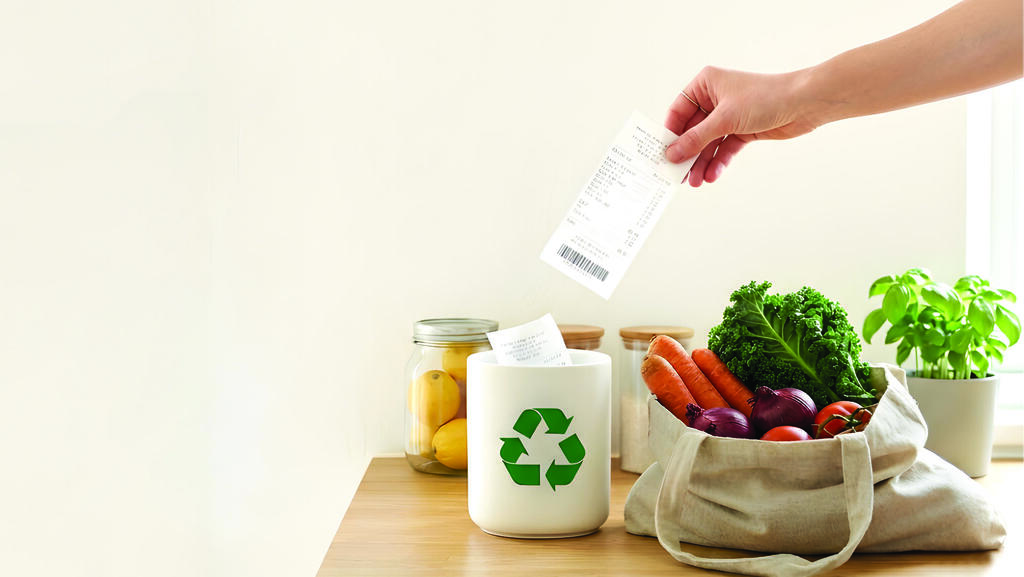
- Thermal receipt paper. Most small and fast checkout systems print on thermal paper, some of which contains bisphenol compounds, chemicals that may disrupt hormonal activity.
- Certain cosmetics and perfumes, especially those containing phthalates or certain preservatives.
- Vinyl flooring, carpets and synthetic furniture materials.
- Volatile substances and household dust may contain industrial compounds.
- Agricultural pesticides and pesticide residues on unwashed food.
- Water and soil in old industrial areas, which may contain persistent organic pollutants that survive for many years.
How can exposure to these substances be reduced?
- Do not microwave food in plastic containers. Choosing glass containers can reduce exposure to certain substances.
- Prefer fresh food over canned food, especially for daily use.
- Wash fruits and vegetables thoroughly. Organic produce is preferable when possible.
- Ventilate the home and clean dust, especially in homes with many textile products and synthetic materials.
- Limit contact with thermal receipts and do not store them next to food products.
- Choose cosmetics from companies that clearly state they use natural ingredients and are free of phthalates, SLS and parabens.
- Use reusable drinking bottles or glass bottles.