

Is Omicron leading us closer to herd immunity against COVID-19? Experts say it's not likely that the highly transmissible variant - or any other variant - will lead to herd immunity.
"Herd immunity is an elusive concept and doesn't apply to coronavirus," says Dr. Don Milton at the University of Maryland School of Public Health.
Herd immunity is when enough of a population is immune to a virus that it's hard for the germ to spread to those who aren't protected by vaccination or a prior infection.
For example, herd immunity against measles requires about 95% of a community to be immune. Early hopes of herd immunity against the coronavirus faded for several reasons.
One is that antibodies developed from available vaccines or previous infection dwindle with time. While vaccines offer strong protection against severe illness, waning antibodies mean it's still possible to get infected - even for those who are boosted.
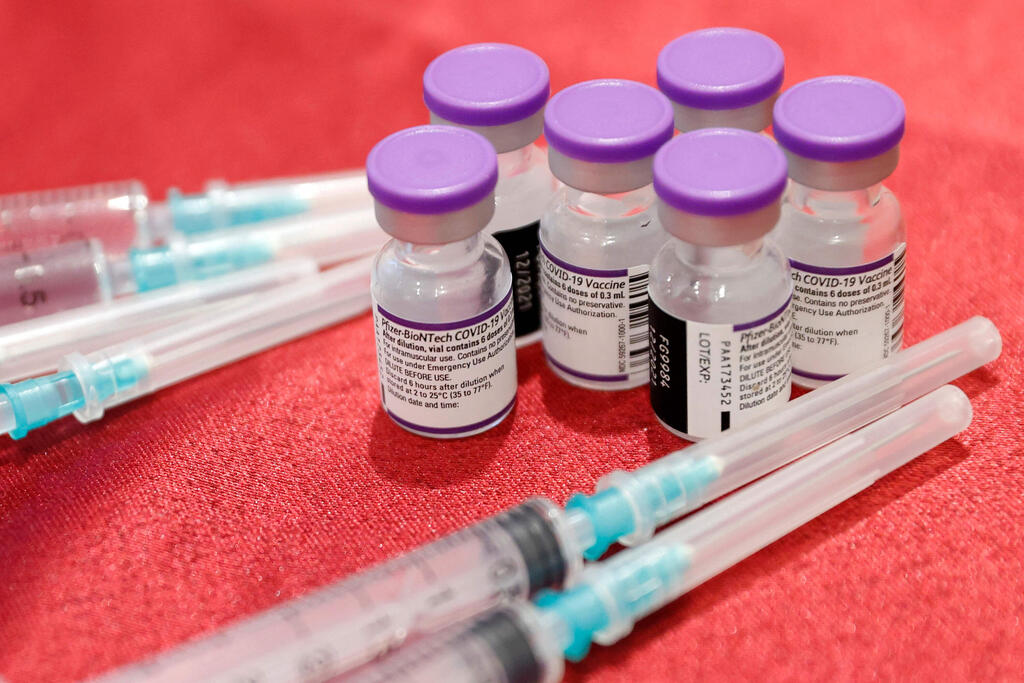
COVID-19 vaccines
(Photo: AFP)
Then there's the huge variation in vaccinations. In some low-income countries, less than 5% of the population is vaccinated. Rich countries are struggling with vaccine hesitancy. And young children still aren't eligible in many places.
As long as the virus spreads, it mutates - helping the virus survive and giving rise to new variants. Those mutants - such as omicron - can become better at evading the protection people have from vaccines or an earlier infection.
Populations are moving toward "herd resistance," where infections will continue, but people have enough protection that future spikes won't be as disruptive to society, Milton says.
Many scientists believe COVID-19 will eventually become like the flu and cause seasonal outbreaks but not huge surges.