

“I always tell my children: if you’re not afraid, that doesn’t make you brave. If you are afraid and still face it, that’s what makes you brave,” says Irit Aloni, director of NATAL’s Clinical Unit.
Many Israelis woke up on the morning of February 28 with mixed emotions. Operation Roaring Lion had begun—but while the military campaign advanced, the psychological burden on the public only intensified.
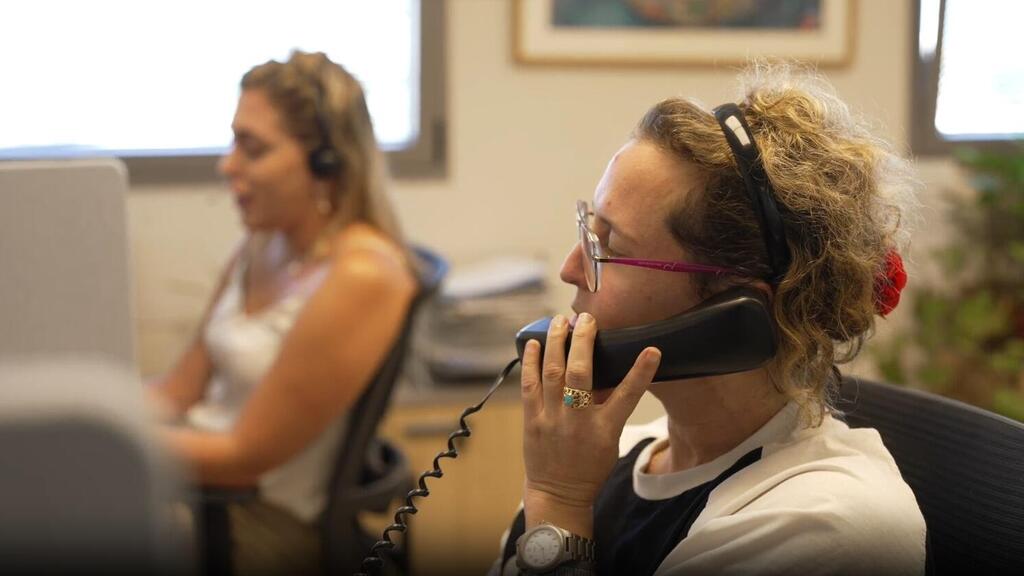
Within the first 48 hours, NATAL recorded a 620% increase in calls to its Helpline. The thousands of calls—many arriving late at night–dealt with severe anxiety, fear of direct attacks, difficulty explaining the situation to children, concern for family members, sleep disturbances, and inquiries from reservists.
All services provided by the organization—from the Helpline to individual therapy—are offered free of charge or for a nominal commitment fee.
'For two years I’ve been trying to learn how to breathe again, but reality keeps taking my breath away'
Irit Aloni, who heads NATAL’s Clinical Unit, lives in Kibbutz Sde Nehemia in the Upper Galilee. That detail alone reflects something about the people leading the organization and the shared reality they inhabit: professionals who themselves experience the sirens, live on the front lines, endure sleepless nights and family members called up for reserve duty—yet continue to support others.
NATAL’s Clinical Unit treats 3,500 patients every week—civilians and reservists who have experienced trauma from war or terror. Care is provided by 550 therapists across Israel, all holding advanced degrees and specializing in trauma treatment.
“Since October 7, it’s been difficult to talk about returning to routine,” Aloni explains. “We are essentially operating in a prolonged emergency mode.”
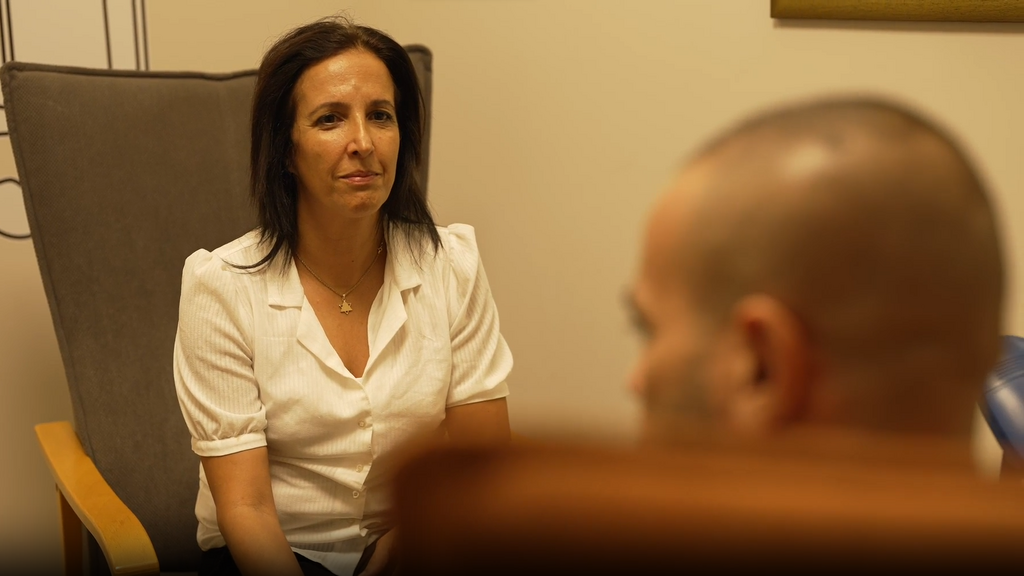
Irit Aloni, director of NATAL’s clinical unit, 'We are essentially operating in a prolonged emergency mode'
(Photo: Courtesy of the NATAL association)
The worsening symptoms ripple outward: strained relationships, reduced parental functioning, and children who sense their parents’ distress. “Everyone is living inside a boiling pressure cooker,” Aloni says. “Even in families of reservists, just when a routine begins to form, it is disrupted again.” The emotional exhaustion is immense. Aloni recalls a patient telling her: “I try to lift my head above the trauma, but the uncertainty never lets up. My soul just wants it to end, please tell me when this will end.” Another caller shared: “For two years I’ve been trying to learn how to breathe again but reality keeps taking my breath away.”
Even caregivers need support
The strain affects the professional staff as well. NATAL has therefore launched a dedicated internal consultation line for therapists in collaboration with Teva’s “Mental Health Caregivers” program, allowing professionals to consult leading trauma specialists 24/7, alongside an on-call psychiatrist, ongoing supervision groups and professional training.
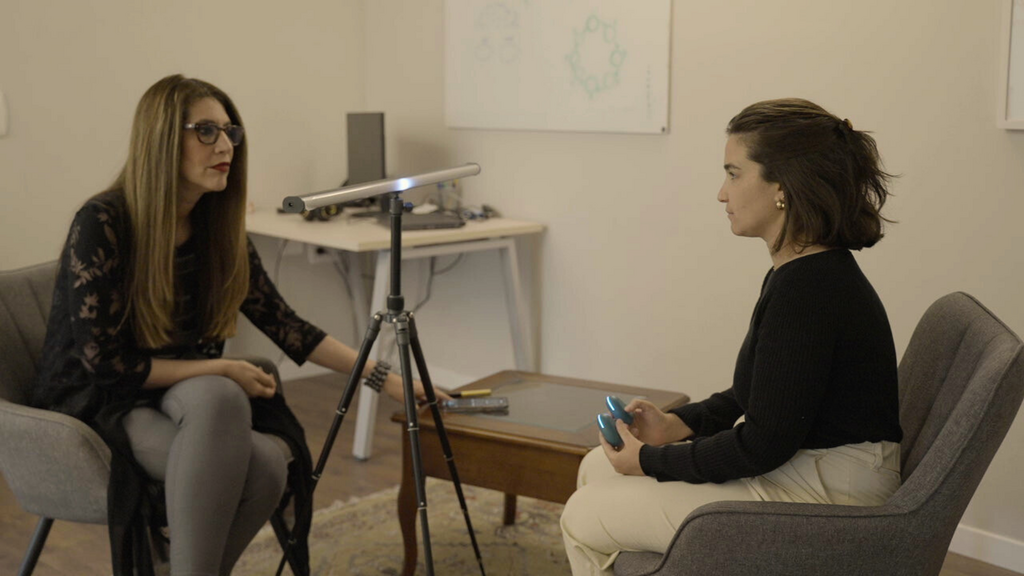
The experts of the NATAL association
(Photo: Courtesy of the NATAL association)
“We are all living within the same traumatic reality,” Aloni says. “The therapeutic encounter takes place within a shared experience between therapist and patient. Taking care of ourselves is not a luxury, it is a basic condition for continuing to care for others.”
'The team responds like it’s a call-up order'
NATAL’s hotline operates 24 hours a day, seven days a week, and is reinforced during emergencies. “The helpline is NATAL’s emergency room,” says Gili Gamish, director of the organization’s support lines. “From there we know how to direct people to the many services we offer, individual therapy, support groups and more.” She adds: “With 28 years of experience, NATAL are the experts in trauma caused by war and terrorism. Anyone who reaches out receives the most professional care.”
On the other end of the line are dozens of volunteers who have undergone extensive trauma-focused training and are supported by professional clinicians who monitor the line continuously, some even answering calls from protected rooms during sirens. All conversations are completely anonymous, and callers’ details are not recorded. “In times like these, the team responds as if under a military call-up order, with enormous dedication and commitment,” Gamish says.
Anyone experiencing pressure or anxiety can contact NATAL via chat at www.natal.org.il. The service operates 24/7.

Gili Gamish, director of NATAL’s assistance hotlines
(Photo: Courtesy of the NATAL association)
'At night the anxiety rises, and so do the calls'
Gamish describes what NATAL’s chief psychologist Dr. Boaz Shalgi calls “rolling trauma.” “Unlike traumatic events that end, in Israel lately one event follows another,” she explains. “People try to lift their heads above water, and are pulled under again. The psyche simply doesn’t have time to recover.” Many callers report physical symptoms of panic attacks, flashbacks, breathing difficulties, trouble functioning around their children, and severe sleep disturbances.
The helpline is intended not only for those directly experiencing anxiety or trauma, but also for family members and close circles seeking guidance. “We receive calls from reservists summoned under emergency call-ups who are afraid to report for duty; family members of soldiers struggling with intense anxiety; people living without proper shelter; and individuals with disabilities who have difficulty reaching protected spaces,” Gamish says. “Many calls come at night, during sirens or immediately afterward. At night people are alone, and the anxiety surfaces.”
'A caller from the south was afraid to enter the shelter, because that’s where terrorists found him on October 7'
Some reactions are triggered by reminders of earlier trauma. “The body and mind recognize the situation and react with overwhelming intensity,” Gamish explains. “It could be the sound of a siren, a certain smell, or an image on the news.” In many conversations, volunteers help callers understand that their reaction is entirely human and normal. “The body is responding intelligently, it signals that it recognizes danger. It’s not weakness. It’s biology.”
Sometimes, she says, that simple explanation alone is enough to help people leave the conversation feeling less alone. Gamish recalls several calls that stayed with her: “A man from the south who is afraid to enter his shelter, because that’s where terrorists found him on October 7; the partner of a reservist called up for duty who can’t catch her breath; a mother worried about her teenage daughter who has locked herself in her room. These are the conversations that stay with me.”
'If you are afraid and still face it, you are a hero'
NATAL therapists, working in partnership with the Ministry of Health and Israel’s National Resilience Center, are also present in hotels in Tel Aviv and Jerusalem, where about 600 evacuees whose homes were damaged by missile fire are currently staying. Therapists provide individual, family and group support to both children and adults, helping them process traumatic experiences, validate emotions, strengthen feelings of safety and cope with loss, fear and uncertainty. “These interventions create spaces of resilience and belonging, helping reduce post-traumatic responses,” Aloni explains. Those who require ongoing care are referred to the clinical unit. Dr. Shalgi adds: “Resilience is not the absence of fear, it is the ability to continue acting even while shaken.”
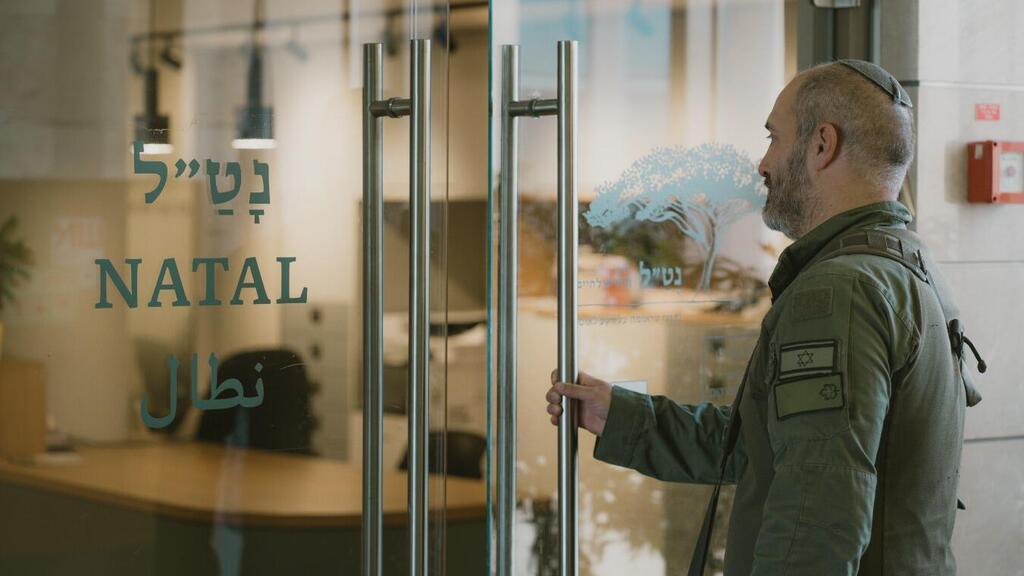
‘Every call is valid’: NATAL’s assistance hotline
(Photo: Courtesy of the NATAL association)
Aloni sees this firsthand: “It’s clear to us that everyone is afraid. I always tell my children: if you’re not afraid, that doesn’t make you brave. If you are afraid and still face it, that’s what makes you brave.” She notes that one defining feature of this war is that home, the place once seen as a fortress and safe haven, has for some become a dangerous place. “That creates a nearly existential anxiety,” she says. “In such circumstances, our work is to rebuild an inner sense of stability, even when the outside world is dangerous, and to help people find small points of safety they can hold on to.”
'Every call is the right call'
Gamish ends with a message for anyone struggling. “If you’re hesitating, don’t. Just call,” she says. “Every Israeli citizen has been affected by the current situation, through anxiety, distress or exhaustion.” “Sometimes people think, ‘I’m less important, I wasn’t directly harmed.’ But every call is relevant. Reaching out doesn’t take away from anyone else, we are prepared to help everyone.”
* In cooperation with NATAL
First published: 16:07, 03.12.26