

“I eat healthy, I exercise, and the weight still won’t come off.” This is one of the most common sentences I hear from women in their 40s and 50s. Many women in menopause, and even in the years leading up to it, find it harder to lose weight or notice that they are gaining weight despite maintaining a balanced diet and regular physical activity.
For years, the common explanation was that weight gain during menopause was mainly the result of a slower metabolism, driven by loss of muscle mass and changes in lifestyle habits. Newer research suggests the picture is more complex.
Gallery
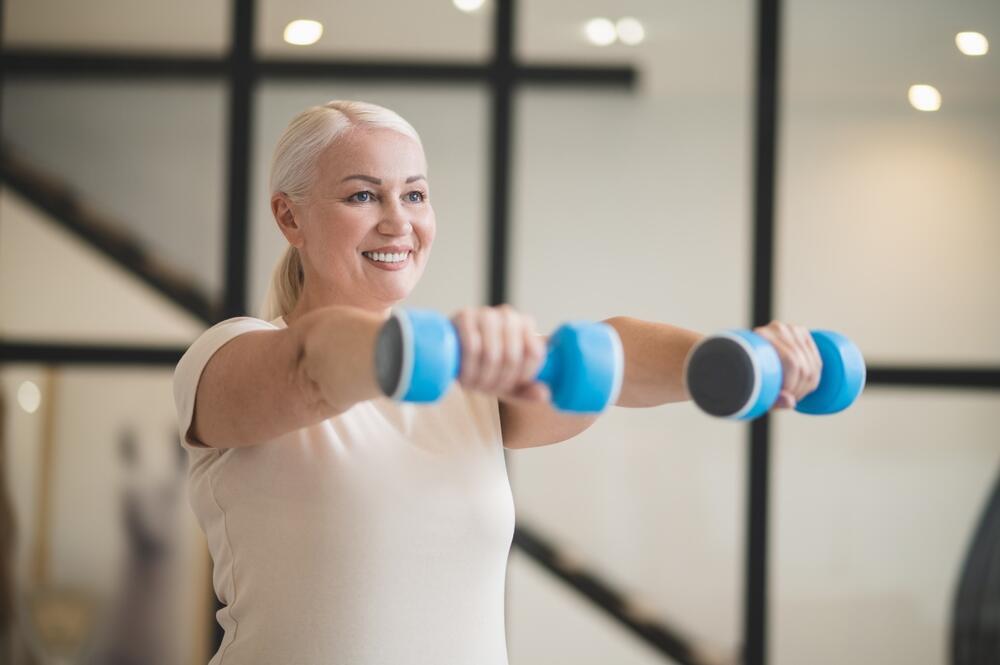
Combining strength training with aerobic exercise improves body composition
(Photo: Shutterstock)
Estrogen plays a central role in the brain, including in the systems that regulate weight, satiety and energy expenditure. When estrogen levels decline, key neurons may become less sensitive to satiety signals coming from fat tissue.
Between the bloodstream and the brain’s appetite-control centers are specialized cells called tanycytes. These cells help transmit hormonal and nutritional information to neurons that regulate body weight. Estrogen directly affects their ability to relay signals to the brain about the amount of fat stored in the body. In experimental models, damage to estrogen receptors in tanycytes led to weight gain, increased hunger and a reduced ability of estrogen to suppress eating and increase fat burning.
These findings are important because they show that weight gain during menopause is not a personal failure nor the result of neglect, lack of discipline or poor willpower. The body changes, and the strategy for maintaining weight needs to change with it.
What kind of diet helps?
A large study recently published in JAMA Network Open followed more than 38,000 American women over several years and examined which dietary patterns were associated with less weight gain in the five years before and five years after menopause.
Foods linked to greater weight gain included red and processed meat, animal fat and protein, diet drinks, refined carbohydrates, salt, French fries and potatoes.
Foods that appeared to protect against weight gain included nuts, legumes, unsaturated plant-based fats, fruit, plant protein and whole grains.
 Dr. Irit HochbergPhoto: Hillel Yaffe Medical Center
Two dietary patterns stood out as especially protective: an unprocessed plant-based diet and an insulin-lowering diet. Both are based on vegetables, fruit, whole grains and legumes, while avoiding ultra-processed foods and high-sodium products.
The difference between them is that the unprocessed plant-based diet is vegetarian or nearly vegetarian and includes more nuts, seeds and unsaturated fats such as olive oil, tahini and avocado. The insulin-lowering diet also includes high-quality, unprocessed animal protein, such as fish, chicken and eggs, while avoiding foods that cause sharp insulin spikes.
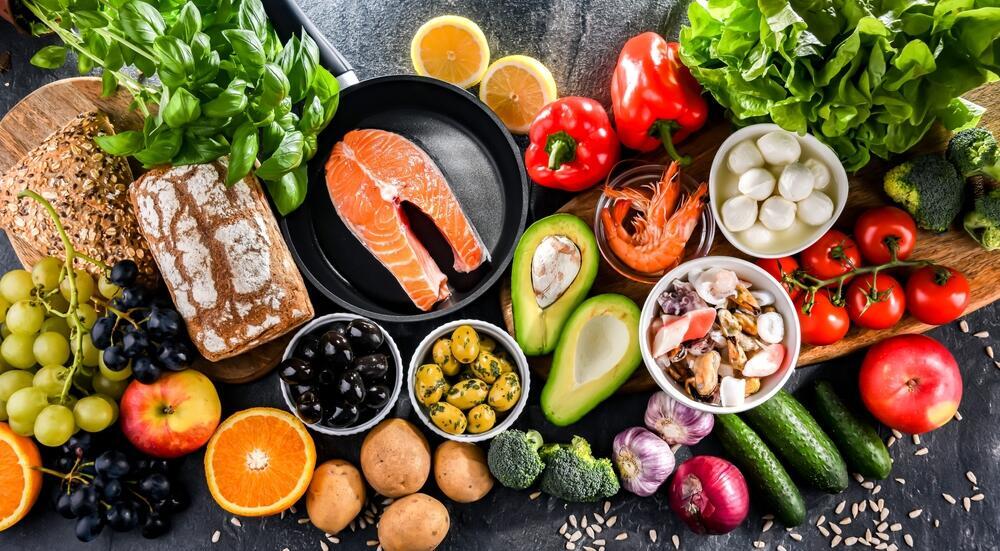
A diet based on unprocessed foods was linked to more moderate weight gain
(Photo: Shutterstock)
Completely avoiding meat or carbohydrates was not found to protect against obesity. What matters is the quality of the carbohydrate; whole grains and legumes are very different from white bread, snacks and sweets.
What exercise training is recommended?
A broad review that included 101 studies and 5,700 women found that physical activity is the most effective non-drug tool for improving body composition during menopause. Each type of exercise has a defined role:
Aerobic exercise, such as walking, running, cycling and swimming, helps reduce total fat mass, lower body fat percentage and shrink waist circumference. It is especially important for reducing deep visceral fat around the internal organs, which is a major risk factor for heart disease and diabetes.
Strength and resistance training help protect against loss of muscle mass linked to hormonal change. They increase muscle fiber size and improve lean body mass.
Combining both forms of exercise allows women to gain both benefits at the same time: protection against fat accumulation and preservation of muscle mass.
Five practical recommendations
Fill half the plate with vegetables. Vegetables provide high volume with relatively few calories, improve satiety and contribute dietary fiber, which is important for balancing blood sugar and insulin levels.
Eat real food. The closer food is to its natural form, the better it tends to be for weight and metabolic health.
Aim for at least 150 minutes of aerobic activity a week. Brisk walking, swimming, cycling or dancing can support heart health, reduce fat tissue and help maintain a healthy weight. The key is consistency over years.
Not every weight gain is inevitable
(Photo: Shutterstock)
Do strength training at least twice a week. Resistance exercises, weights and strength workouts are central tools for building muscle mass and preserving strength, vitality and function.
Work with the body, not against it. Many women expect to stay at the same weight and body shape they had at age 30, but that is not always a realistic goal. Part of the change needs to happen in the mind: to appreciate the body that has carried them for decades and to aim to preserve health through the best choices for it.
Some women who are at a healthy weight and have no metabolic disorder seek weight-loss drugs, without fully considering that they can also lead to muscle and bone loss.
The newer research offers an optimistic message: not every weight gain is inevitable. Even when hormones change, a diet based on vegetables, fruit, legumes, whole grains, nuts and healthy fats, combined with strength training and regular aerobic activity, can significantly reduce weight gain and the risk of obesity.
- Dr. Irit Hochberg is director of the Endocrinology and Diabetes Unit at Hillel Yaffe Medical Center.