


On June 12, 2021, during a Euro 2020 match, Danish soccer star Christian Eriksen collapsed on the field due to cardiac arrest, shocking millions of viewers worldwide. His teammates quickly turned him onto his side and attempted to clear his mouth to “prevent swallowing his tongue.”
CPR was performed only later. While the media praised these actions as heroic, a new Israeli study led by a Sourasky Medical Center cardiologist reveals that such responses, rooted in a dangerous myth, delay life-saving treatment and risk catastrophic outcomes.
Gallery

Danish soccer star Christian Eriksen's teammates attempt to administer CPR after collapsong during Euro 2020 match
(Photo: Reuters)
Published in the Canadian Journal of Cardiology, the study by Tel Aviv University researchers exposes the peril of outdated first-aid practices. Dr. Dana Viskin, a specialist in internal medicine and cardiology at the hospital, explains that older protocols followed the ABC principle—Airways, Breathing, Circulation—prioritizing airway checks, breathing and pulse.
“That’s changed,” she says. “The most critical action in CPR is starting chest compressions as quickly as possible. If someone is unconscious and not breathing normally, begin compressions immediately, call for help and get a defibrillator. Don’t check for a pulse, don’t open the mouth, don’t look for the tongue.”
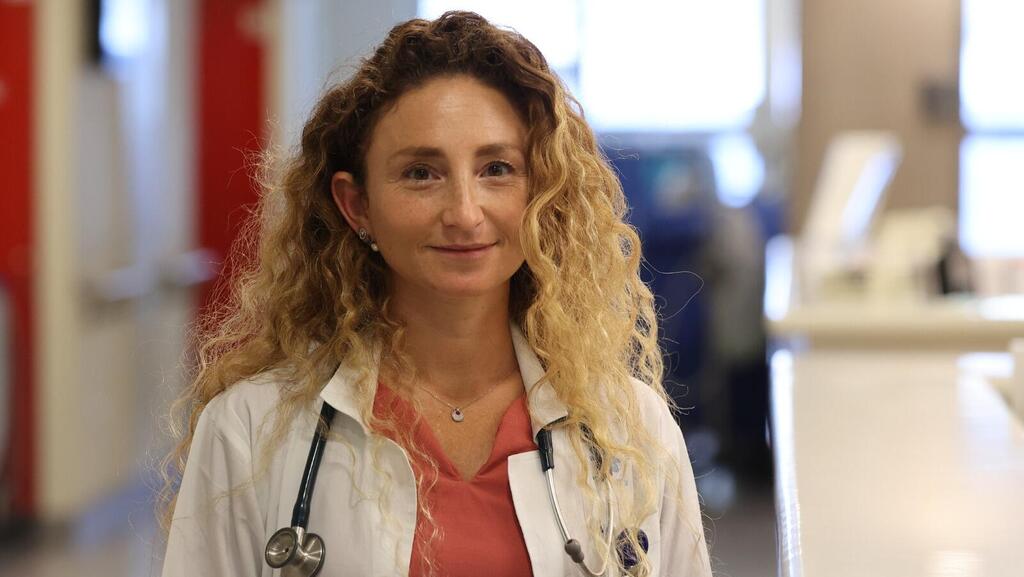
Dr. Dana Viskin
(Photo: Lior Tzur, Sourasky Medical Center)
Despite updated guidelines since 2010, widely adopted by Israel’s Magen David Adom emergency service, this knowledge has not reached the public. “This was glaring in Eriksen’s case,” Viskin notes.
“The team captain turned him on his side, opened his mouth and held him for over 20 seconds—medically useless actions that were globally celebrated. That delay could have cost him his life. Eriksen survived despite, not because of, the initial response.”
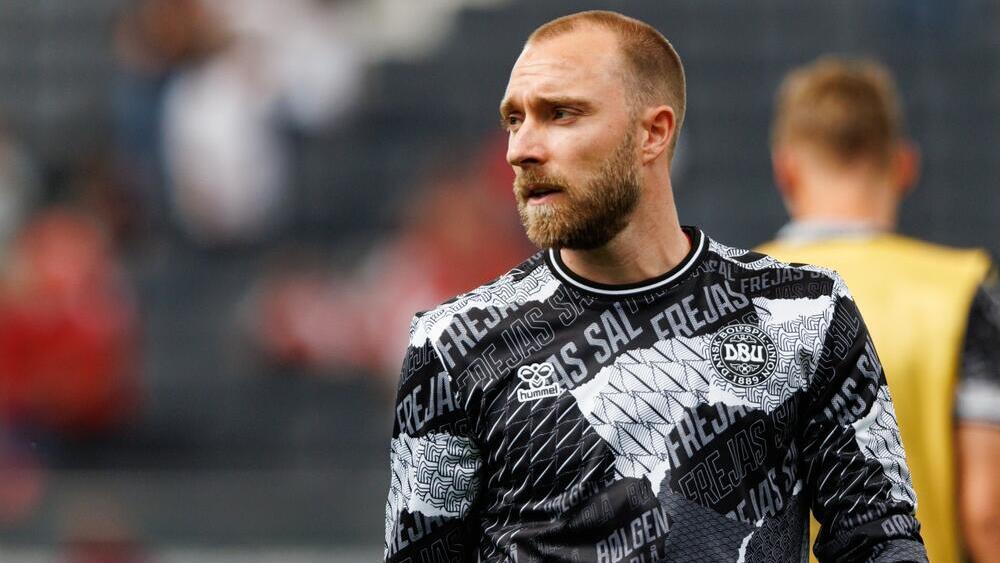
Christian Eriksen
(Photo: Shutterstock)
The study highlights how media perpetuates this misconception. A surge in Google searches for “swallowing tongue” on the day of Eriksen’s collapse underscores the public’s belief in a nonexistent phenomenon. “The media, not science, drives this superstition, delaying proper responses that save lives,” Viskin says.
The study, building on a 2017 article, analyzed 45 documented cases of athletes collapsing between 1990 and 2024, focusing on initial responses. In 84% of cases with visible first responses, bystanders attempted to open the victim’s mouth or turn them on their side to “prevent tongue swallowing,” delaying CPR.

(Photo: Shutterstock)
Of those receiving incorrect treatment, 67% died or suffered severe brain damage, while all who received immediate chest compressions survived without significant harm. “Athletes who got proper CPR survived,” Viskin emphasizes.
Get the Ynetnews app on your smartphone: Google Play: https://bit.ly/4eJ37pE | Apple App Store: https://bit.ly/3ZL7iNv
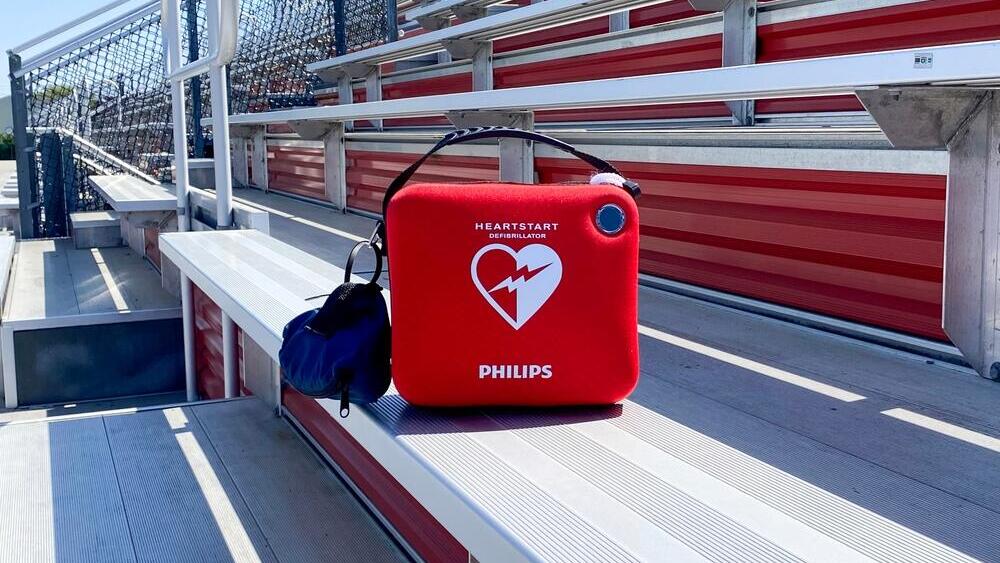
“Those who didn’t—67% died or were left in a vegetative state. The eight who got correct CPR survived, but a 30% survival rate isn’t acceptable when a defibrillator should be available.”
(Photo: Shutterstock)
Media coverage often exacerbates the problem. The study examined reports on Eriksen, Spanish soccer player Antonio Puerta and American football player Damar Hamlin. In 48% of articles, the term “swallowing tongue” appeared, and 77% praised incorrect interventions, such as efforts to “clear airways,” ignoring the absence of immediate CPR.
Hamlin’s case, where proper CPR saved his life, sparked searches for correct techniques, but Viskin notes the fight against the myth persists. “Eriksen’s case got ‘hero’ headlines, while Hamlin’s correct CPR wasn’t emphasized enough,” she says. “One journalist told me a single news agency sets the narrative and others follow without fact-checking. Media must verify, not just publish.”

(Photo: Shutterstock)
(Photo: Shutterstock)
Dr. Nicholas Grubic from the University of Toronto’s Dalla Lana School of Public Health, in a companion study, stresses the deadly consequences of misinformation. “Focusing on the tongue instead of chest compressions costs lives. Proper CPR saves lives. Delays kill,” he says.
He adds that signs like cyanosis or agonal breathing are often mistaken for choking, leading bystanders to prioritize airway checks over CPR. The researchers propose a global campaign, “Leave My Tongue Alone,” to educate the public.
“When someone collapses, call for help and start chest compressions immediately. Don’t touch the airway,” Viskin concluded. “‘Swallowing the tongue’ is a myth—it doesn’t exist. No one has ever saved a life by trying to pull out a tongue.”