


Large gaps in readmission rates to internal medicine wards, one of the key indicators of quality of care, were revealed Thursday in the Health Ministry’s 2025 Quality and Service Index for internal medicine departments at public hospitals. This is the second consecutive year the ministry has published the index.
Rambam Health Care Campus in Haifa posted the best performance among the country’s major medical centers on the readmissions measure and led most of the parameters examined in its category. By contrast, Soroka Medical Center, Sheba Medical Center, Meir Medical Center and Yoseftal Medical Center recorded readmission rates above the national average, while Maayanei Hayeshua Hospital stood out negatively.

The index was developed as part of the implementation of recommendations by the Tur-Kaspa Committee, which was established to strengthen internal medicine wards. The goal is to incentivize continued improvement in departments that treat hundreds of thousands of patients each year with complex medical conditions. This year, the Health Ministry allocated 90 million shekels based on hospitals’ performance across the index components, alongside public feedback generated by the publication of the data.
Israel’s aging population and the rise in chronic illness have significantly increased the burden on internal medicine wards, making their reinforcement a national challenge. Readmission to an internal medicine ward within one week of discharge is considered a central quality indicator, reflecting the quality of discharge planning, follow-up care and the hospital’s ability to prevent rapid deterioration. This measure accounts for 25% of the total score, the second-largest component after patient satisfaction, which carries a weight of 35%. Lower readmission rates indicate better performance.
According to data published by the ministry, Maayanei Hayeshua recorded a readmission rate of about 13.5%, nearly double the national average of 8.5%. Soroka, Meir and Yoseftal also posted relatively high rates of around 10%. In contrast, Rambam, Carmel and Bnai Zion in Haifa, along with the Scottish Hospital and the Holy Family Hospital in Nazareth, recorded comparatively low readmission rates of between 3% and 6%. Shamir Medical Center and Kaplan Medical Center also performed better than average.
In the patient satisfaction survey, the highest-weighted component of the index, Beilinson Hospital led among major medical centers, Meir Medical Center topped large hospitals, Laniado led medium-sized hospitals and Yoseftal ranked first among small hospitals. Bnai Zion, Carmel and Maayanei Hayeshua also scored highly. At the bottom of the satisfaction rankings were Galilee Medical Center in Nahariya, Hillel Yaffe Medical Center in Hadera and Poria Medical Center. Wolfson and Barzilai medical centers also received low scores.
The Health Ministry noted that Soroka’s ranking was affected by severe damage it sustained last year from an Iranian missile strike, which forced parts of its internal medicine wards to relocate to makeshift underground facilities. Some wards operated without windows or ventilation during renovations, placing additional strain on staff. Soroka nevertheless performed strongly in a separate emergency department report published last week.
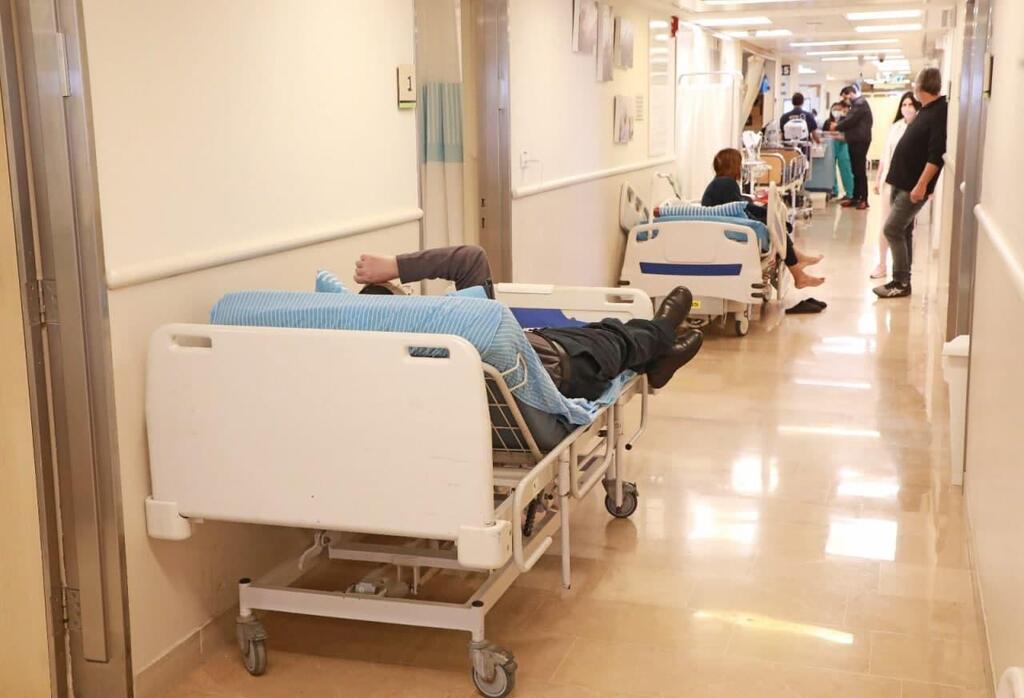
(Photo: Dana Kopel)
Staffing shortages also weighed heavily on results. In the physician staffing index, which accounts for 10% of the total score and measures compliance with the recommended ratio of 0.42 doctors per bed, Soroka, Hadassah, Meir, Wolfson, Barzilai, Hillel Yaffe, Kaplan, Ziv Medical Center, Galilee Medical Center and Yoseftal fell below average. Rambam recorded the highest staffing level among major centers, followed by Beilinson, Sheba and Ichilov. Shaare Zedek stood out among large hospitals, while Emek and Laniado led medium-sized hospitals. Among small hospitals, the Scottish Hospital and Holy Family Hospital in Nazareth ranked highest.
Nursing staffing during shifts, measured by the presence of certified nurses with advanced training, also showed disparities. Soroka and Sheba ranked lowest among major centers, while Galilee Medical Center ranked lowest among large hospitals. Rambam led in this category, followed by Wolfson, Ziv, Maayanei Hayeshua, Barzilai and the Holy Family Hospital.
Dr. Hagar Mizrahi, head of the Health Ministry’s medical division, said the index is part of a broader effort to strengthen internal medicine wards, which she described as the backbone of the hospital system.
“The complexity of cases is increasing,” she said, citing the growing elderly population and rising prevalence of chronic disease. “We are working on solutions such as expanding home hospitalization and increasing the number of beds. This model provides stable funding to internal medicine wards, reflecting their critical importance.”
The Israeli Association of Internal Medicine said the findings underscore the need to further strengthen staffing standards, particularly in peripheral hospitals. The association warned that funds designated for internal medicine wards are sometimes diverted to other urgent needs and called on hospital directors to ensure permanent staffing of approved positions.
The association also urged the Health and Finance ministries to increase reimbursement rates for ventilated patients in internal medicine wards, noting that compensation drops sharply when such patients are transferred from intensive care units despite the continued complexity of care.