

A study of 2,500 Israeli reservist families with children under age 7 found high rates of post-traumatic stress symptoms among both parents and young children, highlighting the long-term psychological toll of the war that began with Hamas' Oct. 7, 2023, attack, according to data first published Wednesday morning.
The study was led by Prof. Ruth Feldman, head of the Center for Developmental Social Neuroscience at Reichman University's Baruch Ivcher School of Psychology. The findings, published Wednesday, point to elevated levels of trauma symptoms, marital strain, disruptions to family functioning and risks that researchers say could affect children for years without targeted intervention.
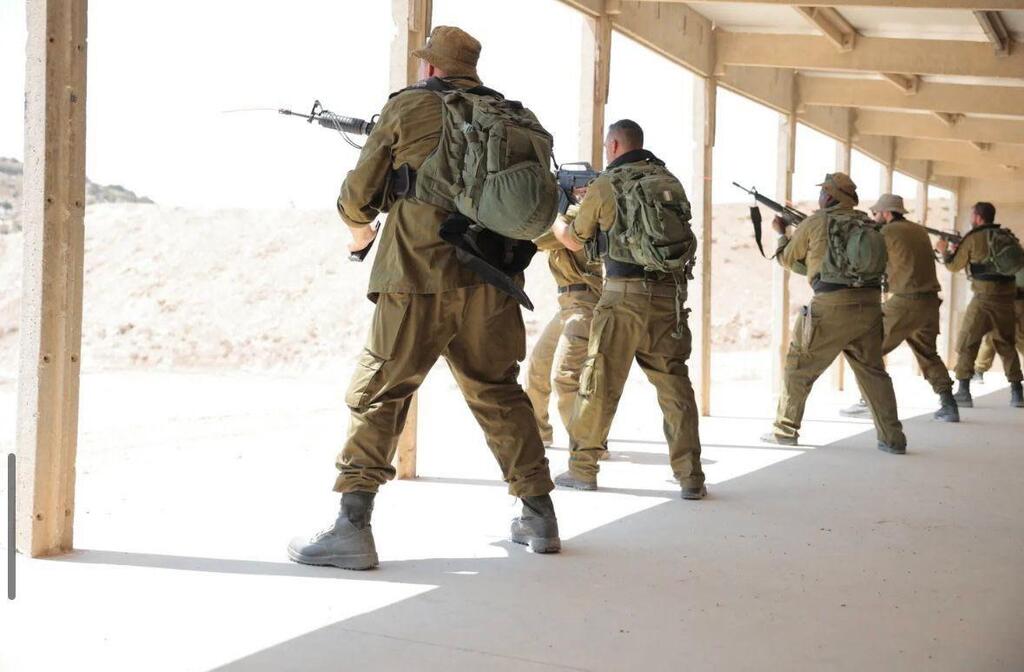
IDF reservists in training
(Photo: IDF)
“Reservist families are paying the highest emotional and family price,” Feldman said. “Their children are paying, and will continue to pay, a very high emotional and physiological price unless we provide trauma-focused treatment. Without intervention, the consequences will accompany Israeli society for years.”
According to the study, 75% of children in reserve-duty families showed subclinical post-traumatic stress symptoms, while 31.4% met the criteria for full post-traumatic stress disorder.
Among fathers serving in the military reserves, 35% reported clinical or subclinical trauma symptoms, with 21% meeting the criteria for PTSD. Among mothers whose spouses were serving, 42% reported clinical or subclinical symptoms and 28% met the criteria for PTSD.
“Since the Oct. 7 attack and the war that followed, we have become a nation living with trauma, and reservist families raising young children have faced and continue to face enormous hardship,” Feldman said.
She said mothers have often been left to raise children and manage households while their spouses spend hundreds of days in reserve service, while fathers are separated from their families and exposed to combat.
The study found that young children commonly displayed trauma-related behaviors including bedwetting, excessive clinginess, increased crying, nightmares, sleep disturbances, emotional dysregulation, aggression and developmental regression. More severe symptoms included social withdrawal, difficulty forming relationships and loss of trust.
Feldman identified children ages 4 to 7 as the highest-risk group.
“Many parents think children don't understand what's happening around them,” she said. “They do understand, but they don't yet have the tools to express their distress. Instead of talking, they begin wetting the bed, clinging to parents, refusing to go to preschool or having trouble sleeping.”
She said withdrawn children may face the greatest risk because they often receive less attention than children with disruptive behavior.
“A child who sits alone, doesn't play and doesn't form social connections can remain under the radar,” Feldman said. “Those are precisely the children who need professional intervention. Without treatment, their condition is likely to worsen, increasing the risk of depression.”
The study also found a strong relationship between parents' mental health and children's well-being. Children whose mothers met the criteria for PTSD were three times more likely to develop PTSD symptoms themselves.
Researchers also documented growing strain on marriages.
“Over the past year we've seen many more couples seeking separation,” Feldman said. “There are increasing marital tensions that weren't present at the beginning of the war.”
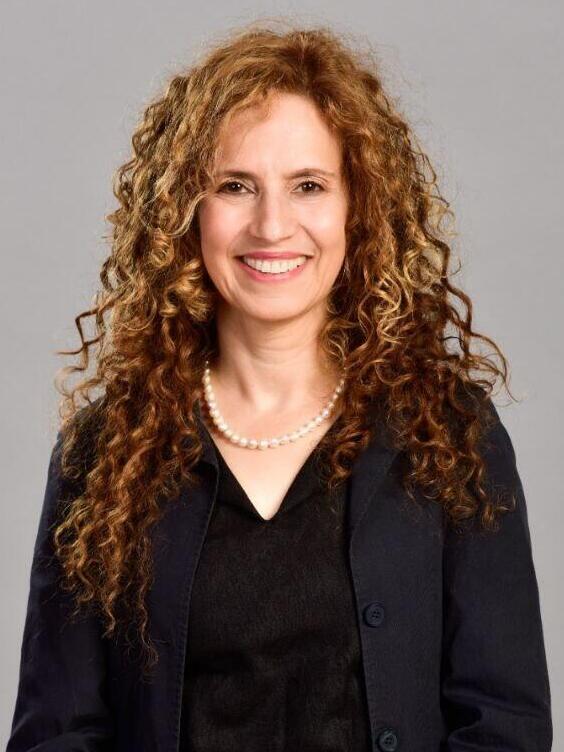 Prof. Ruth Feldman Photo: Reichman University
She said many reservists return home after prolonged deployments having experienced combat, the loss of friends or sustained threats to their lives, making it difficult to reintegrate into family life.
“Some fathers struggle to communicate, and children sometimes reject contact during the first days after they return,” Feldman said. “Some fathers feel their families have learned to manage without them and no longer need them. They don't know how to find their place again.”
The research team also examined whether structured psychological support could help.
Soon after the Oct. 7 attack, the university's Center for Developmental Social Neuroscience launched a support program for reserve-duty families based on more than two decades of trauma research conducted in southern Israel near the Gaza border.
The project, coordinated by Michal Dvir Rosenfeld, involves eight psychologists who conduct online sessions with reservists and their spouses, including some participants connecting from combat zones in Gaza and Lebanon. Seven researchers maintain ongoing contact with participating families.
The intervention focuses on parenting skills, understanding children's emotional responses to war, coping with prolonged trauma and strengthening family and marital resilience.
Researchers found the program improved parenting and the emotional functioning of both parents and children. However, overall trauma levels remained high. Follow-up data showed mothers' PTSD symptoms did not decline significantly, while some fathers' symptoms worsened.
The support program is funded through donations from Jewish organizations abroad and is provided free of charge. Feldman said far broader government involvement is needed.
“About 80% of parents reported a significant deterioration in every aspect of their lives,” she said. “This is a finding that policymakers and the public must see.”
Feldman, who has studied trauma among parents and children for more than 20 years, called the project the most important research of her career.
“Every day I am amazed by the price these families are paying, and by the courage of people who repeatedly leave to defend all of us while leaving behind spouses and young children,” she said. “Only greater awareness may persuade those responsible for public health to invest far more resources in helping these families.”