

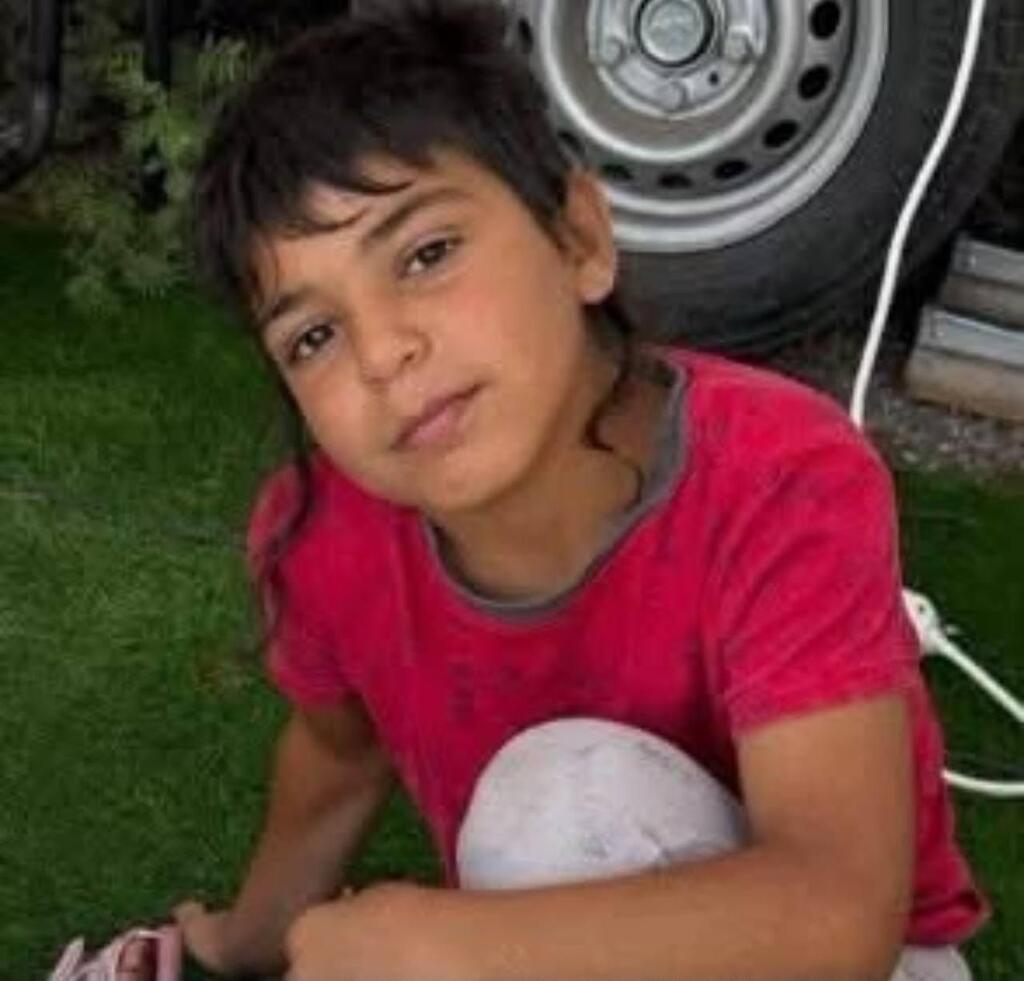
A 9-year-old boy died Thursday, more than two weeks after he was hospitalized with severe brain inflammation caused by the rare Naegleria fowleri amoeba, commonly known as the “brain-eating amoeba.”
Baruch Neria, from Pardes Hanna in northern Israel, was pronounced dead at Rambam Health Care Campus in Haifa, where he had been sedated and placed on a ventilator in the pediatric intensive care unit. He is scheduled to be buried Friday at 10 a.m. at the cemetery in his hometown.
Laboratory testing by the Health Ministry confirmed earlier this month that Neria had been infected with Naegleria fowleri. An initial epidemiological investigation found that he had swum at Kursi Beach on the eastern shore of the Sea of Galilee about a week before he was hospitalized.
The Health Ministry described the disease as extremely rare but highly lethal. Fewer than 500 cases have been reported worldwide, according to the ministry.
Neria's infection was the fourth diagnosed case in Israel since 2022. Two of the previous three patients died, while a third, 10-year-old Roi Zigdon, survived the initial infection after months of hospitalization and has continued his recovery at home.
What is the ‘brain-eating’ amoeba?
Naegleria fowleri is a microscopic, single-celled organism found naturally in warm freshwater. It can cause primary amebic meningoencephalitis, or PAM, a rare infection in which the brain and surrounding membranes become severely inflamed.
Dr. Rotem Lapidot, director of pediatric infectious diseases at Rambam, said the organism thrives particularly well in warm water.
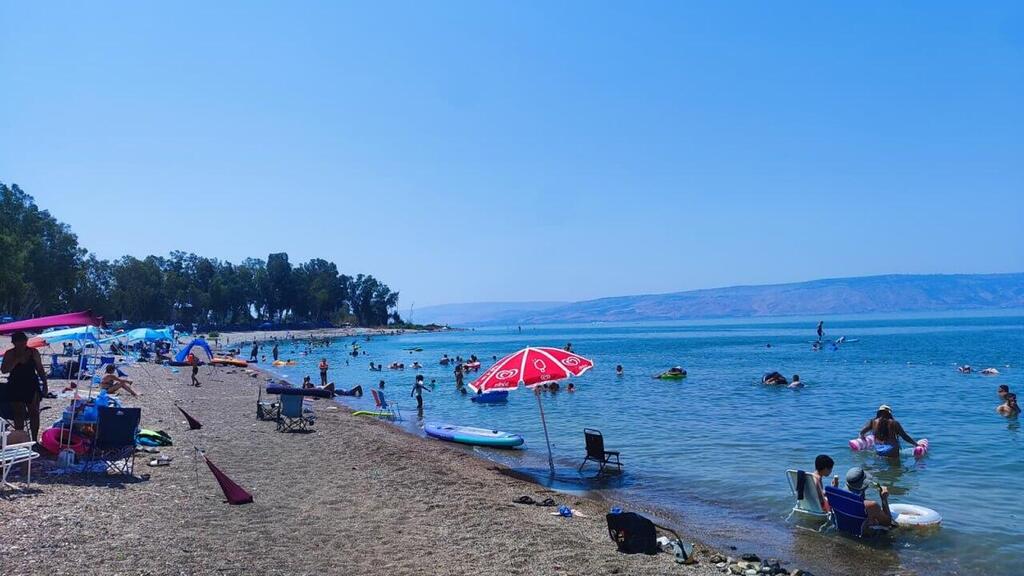
The Sea of Galilee
(Photo: Michael Krpotasky)
“It really likes high temperatures — warm water, 28 degrees Celsius (82 Fahrenheit) and above — and that's where it thrives,” Lapidot said. She noted that the amoeba does not thrive in seawater, making warm freshwater the primary concern.
Infection occurs when contaminated water enters a person's nose, allowing the amoeba to travel to the brain. It cannot be contracted by drinking contaminated water and does not spread from one person to another.
“We are exposed to this amoeba, and in most cases we don't even know it,” Lapidot said. “In rare cases, it manages to enter the brain and causes a severe infection.”
The Health Ministry has stressed that the disease remains extraordinarily uncommon despite the widespread presence of the organism in warm freshwater.
Following Neria's diagnosis, the ministry issued updated recommendations for swimming in the Sea of Galilee. Officials advised swimmers to minimize the amount of water entering their noses, particularly when diving, jumping into the water or submerging their heads. Nose clips can be used to reduce exposure, and swimmers were advised to avoid disturbing sediment in shallow water, where concentrations of the amoeba can be higher.
The ministry also said isolated water samples cannot reliably establish whether a natural body of water is safe because the organism can be unevenly distributed and its concentration can change by location and over time.
Previous cases in Israel
Israel's first known recent case was recorded in the summer of 2022, when a previously healthy 36-year-old man from northern Israel died from encephalitis caused by Naegleria fowleri.
Two more cases were diagnosed in July 2024. An epidemiological investigation later linked both patients to exposure at the Gai Beach Water Park near the Sea of Galilee.
One of them, 26-year-old Tzachi Alon, died within days of becoming ill.
Three weeks later, 10-year-old Roi Zigdon contracted the amoeba during a family vacation in the Sea of Galilee area. He spent months hospitalized at Ziv Medical Center in Safed and has continued his recovery at home.
Neria's case, diagnosed in September 2026, was the fourth in Israel since 2022. His death means three of those four patients have died.
Symptoms can progress rapidly
Lapidot said symptoms generally begin about five to six days after exposure and can initially resemble other serious infections.
Early signs can include fever, severe headache, nausea and vomiting. As the disease progresses, neurological symptoms may develop, including confusion, unusual drowsiness, neck stiffness, seizures and changes in consciousness.
“The combination of fever and headache and a change in consciousness — those are always symptoms that require going to the emergency room and being examined,” Lapidot said. “Those signs can indicate various infections that need to be evaluated, so of course in such a case you should go to the emergency room.”
The Health Ministry said people who have recently swum in the Sea of Galilee do not need to seek medical care simply because they entered the water if they have no symptoms.
Anyone who develops fever, significant headache, nausea or vomiting following exposure to warm freshwater, however, should monitor their condition closely. Urgent medical attention is recommended if those symptoms are accompanied by neck stiffness, confusion, severe drowsiness, seizures or changes in consciousness. Patients should also tell medical staff about their recent freshwater exposure because the infection can progress rapidly.