


Almost every pregnant woman knows the dilemma: a headache strikes, a fever rises, the back will not let up, and the hand stops before reaching for the pill. Acamol? Advil? And what about the fetus? Two new studies by researchers from Ben-Gurion University of the Negev, Clalit Health Services and Soroka Medical Center, among the largest conducted in the field worldwide, provide a clear answer: No link was found between taking Acamol or drugs from the NSAID family — including ibuprofen, Voltaren and naproxen — in the first trimester of pregnancy and birth defects.
The studies were recently published in the scientific journals PLOS Medicine and Human Reproduction Open. In recent years, uncertainty has grown over the safety of the most common painkillers used during pregnancy, against the backdrop of a public debate accompanied by misinformation. In the United States, statements by President Donald Trump and Health Secretary Robert F. Kennedy Jr. against the use of paracetamol added fuel to the controversy and sparked debate around the world. The Israeli study offers a clear, data-based answer to that storm.
Gallery

A large-scale Israeli study examined the safety of painkiller use during pregnancy
(Photo: Shutterstock)
The studies were conducted as part of the siPREG initiative — the Southern Israeli Pregnancy Registry — a database designed to examine key questions in maternal and fetal medicine. The researchers analyzed data collected over two decades on more than 250,000 pregnancies among women treated by Clalit and followed at Soroka.
The research group was led by Dr. Sharon Daniel of the Department of Epidemiology, Biostatistics and Community Health Sciences at Ben-Gurion University of the Negev, a senior pediatrician and head of the innovation unit at Clalit’s Southern District, together with researchers from Ben-Gurion University, Soroka, Tel Aviv University, Ariel University and Schneider Children’s Medical Center.
No link to birth defects
One of the studies focused on drugs from the NSAID family — nonsteroidal anti-inflammatory drugs, including ibuprofen, sold as Nurofen and Advil, as well as Voltaren, Etopan and naproxen.
The study was conducted against a backdrop of long-standing uncertainty in the scientific literature: While some past studies raised concerns about an increased risk of birth defects, others failed to show such a link. At the same time, debate over the safety of Acamol use during pregnancy has also intensified in recent years.
 Dr. Sharon Daniel Photo: Shlomi Amsalem
The NSAID study included 264,858 pregnancies among women up to age 45 between 1998 and 2018, including more than 20,000 pregnancies in which exposure to the drugs was documented during the first trimester. The researchers examined not only live births and stillbirths but also elective pregnancy terminations carried out after suspected fetal defects — a step intended to reduce bias that can arise in studies based only on live-born infants.
At first glance, the data appeared concerning: The rate of birth defects was higher among women exposed to the drugs — 8.2% compared with 7.0% among women who were not exposed. But after the researchers made statistical adjustments for background characteristics and for the reasons the medications were taken, the association disappeared.
When the researchers added other variables to the equation — including fever, infections, inflammatory diseases, chronic illness, obesity, smoking, folic acid, background characteristics and the very reason the medication was taken — the picture changed.

Acamol and NSAID medications were examined in two separate studies
(Photo: Shutterstock)
The result: No independent link was found between use of the medications and birth defects. Even when different body systems were examined — the heart and blood vessels, nervous system, musculoskeletal system, digestive system and urinary system — no increased risk was found. Analyses by specific drug and cumulative dose also showed no significant increase in risk.
"The study results showed that NSAID medications are safe for use in the first trimester of pregnancy and are not associated with the development of birth defects overall," Daniel said. "The findings are supported by a large-scale, population-based database, which allows for a more accurate assessment of the safety of using these medications in the early stages of pregnancy."
Is Acamol safe during pregnancy?
The second study focused on Acamol — the world’s most commonly used medication for pain relief and fever reduction, which for years has been considered the preferred option during pregnancy. In recent years, questions have been raised worldwide about the safety of using it during pregnancy, and the current study sought to examine the issue on a broad scale.
The study was based on a database of 265,143 pregnancies. The analysis examining first-trimester exposure included 264,858 pregnancies, with exposure to Acamol documented in 41,011 of them — about 15.5% of all pregnancies examined. The analysis examining third-trimester exposure included 257,285 pregnancies, of which 36,375 — about 14.1% — involved documented exposure to Acamol.
Here, too, the raw data initially appeared troubling: The rate of birth defects was 7.9% among women who were exposed, compared with 6.9% among women who were not. But after statistical adjustments that included underlying illnesses, age, the reason for using the medication, pregnancy follow-up and other factors, the association disappeared.

No link was found between Acamol use and premature birth or perinatal mortality
(Photo: Shutterstock)
The researchers found no link between Acamol use in the first trimester and birth defects, nor did they find a link between use during pregnancy and premature birth, low birth weight, low Apgar scores, perinatal mortality or signs of kidney damage in the newborn. Exposure in the final trimester also was not found to be associated with premature closure of the ductus arteriosus, an important blood vessel in fetal circulation.
"In both studies, we examined not only whether there was exposure to Acamol or NSAIDs during pregnancy, but also whether there was a connection between the duration of treatment or the medication dose and the risk of birth defects. In those analyses as well, we found no evidence of increased risk," said Dr. Itamar Ben Shitrit, a member of the research team.
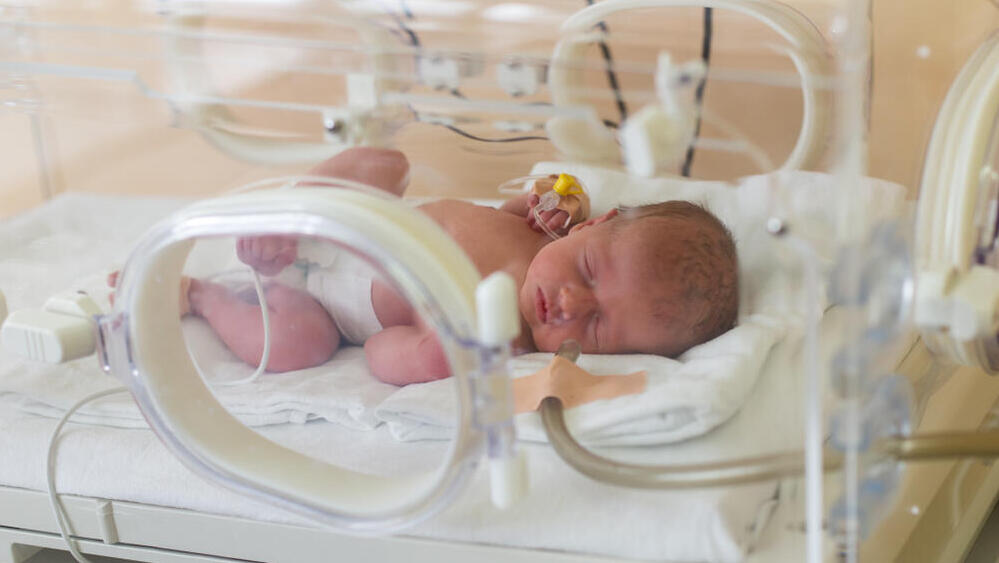
The study also examined a possible link between Acamol use during pregnancy and premature birth
(Photo: Shutterstock)
Dr. Daphna Idan added: "At first glance, the data seemed to show that the rate of birth defects was higher among women exposed to Acamol or NSAIDs during pregnancy. However, when we applied advanced statistical models designed to address basic clinical differences between the groups of women, the picture changed. The findings showed that the increased risk was explained mainly by the indications for using the medications, such as fever, infections and underlying illnesses like diabetes, and not by exposure to the medications themselves."
According to Dr. Ariel Hasidim, one of the main challenges was dealing with the fact that not all medication use is documented in the system. "Women sometimes use medications without it being documented in the system, which could bias the results in unexpected ways. To address this, we designed a special sensitivity analysis that examined how common unreported use of the medication would have had to be in order to change the study’s conclusions. We were able to show that such a level is higher than what is actually known from the population examined."
Do not avoid treatment when it is needed
The researchers stress that the findings are not a call to take medications unnecessarily, but rather an effort to reduce uncertainty in a situation in which many women avoid treatment even when it is needed.
"The findings of the studies help pregnant women and physicians make informed, research-based treatment decisions," Daniel concluded. "The findings contribute to reducing uncertainty around the use of Acamol and NSAID medications during pregnancy and enable informed, research-based medical management of pain and fever during pregnancy. The siPREG database continues to develop, and we hope to continue expanding the research knowledge base through it and examine additional significant clinical questions in maternal and fetal medicine."
- The research group included Dr. Sharon Daniel of Ben-Gurion University of the Negev and Clalit Health Services’ Southern District; Dr. Ariel Hasidim of Ben-Gurion University of the Negev, Schneider Medical Center and Tel Aviv University; Dr. Daphna Idan, Dr. Itamar Ben Shitrit, Dr. Tal Michael and Prof. Amalia Levy, all of the Department of Epidemiology, Biostatistics and Community Health Sciences at Ben-Gurion University of the Negev; Prof. Gali Pariente of the Division of Obstetrics and Gynecology at Ben-Gurion University of the Negev and Soroka Medical Center; and Prof. Eitan Lunenfeld of Ariel University’s medical school.