

Rising global temperatures, driven by the use of fossil fuels, are accelerating the melting of ice sheets and glaciers worldwide. While attention often focuses on Antarctica and Greenland, the impact is evident elsewhere, including Turkey’s Cilo Mountain in the Kurdish-majority southeast. Once capped with glaciers, its barren peaks now tell a grim story of loss due to global warming.
Kemal Ozdemir, a mountain guide with 15 years of experience, noted that a decade ago, glaciers crowned Cilo’s summits. Today, only grass and rocks remain, a stark sign of glacier retreat.
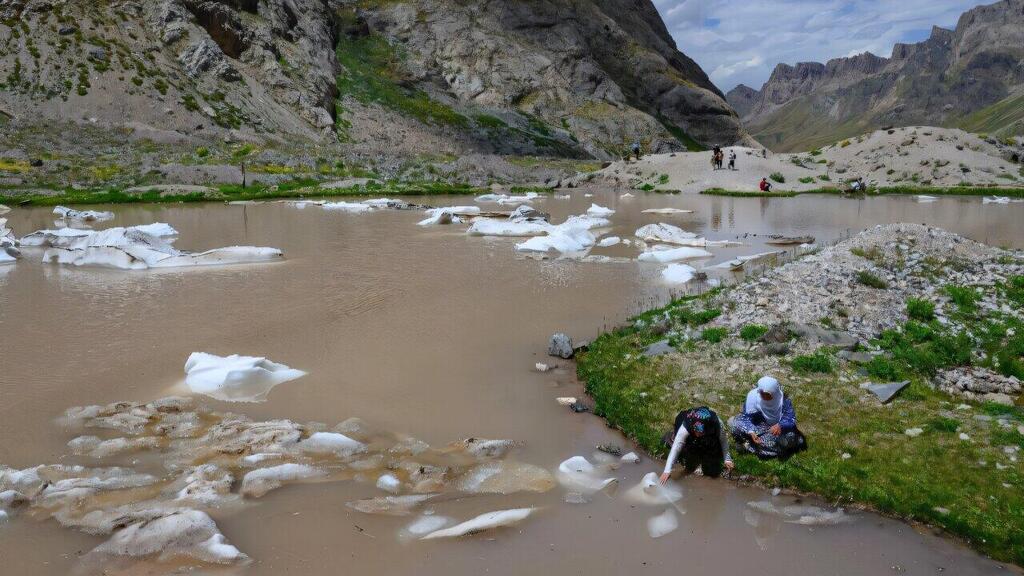
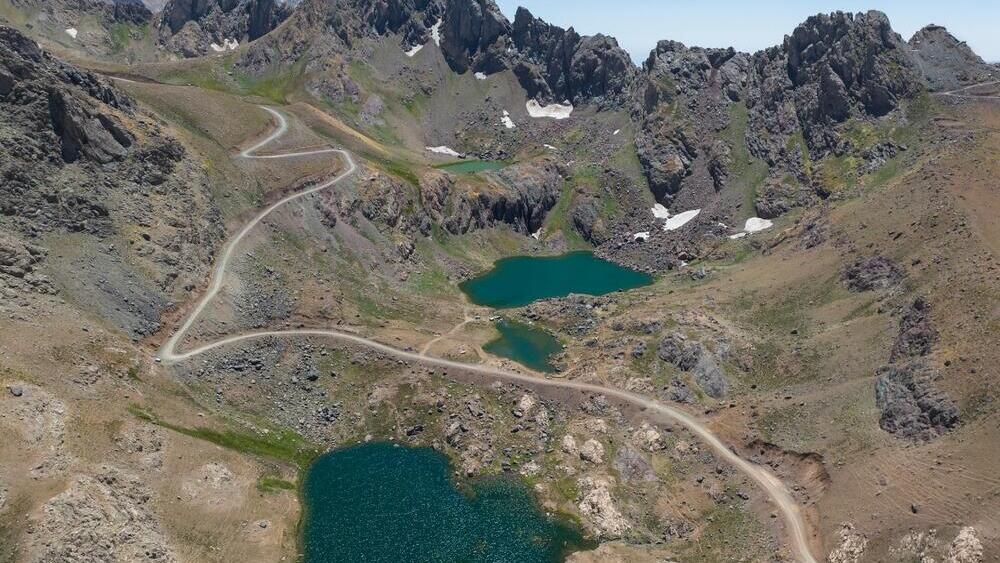
Turkey’s Cilo Mountain
(Photo: RauL C7/Shutterstock)
Standing at 4,135 meters (13,566 feet), Cilo is Turkey’s second-highest peak after Mount Ararat, 250 kilometers (155 miles) north, which reaches 5,137 meters (16,854 feet). For years, Cilo and its surroundings were off-limits due to Turkey’s conflict with Kurdish groups, but mountaineers regained access in 2002.
As human-driven climate change raises temperatures, once-ice-covered mountain areas are rapidly exposed. Turkey, grappling with heatwaves and drought, recorded a record-breaking 50.5°C (122.9°F) in Silopi last Friday, 10 kilometers (6 miles) from the Iraq-Syria border.
Get the Ynetnews app on your smartphone: Google Play: https://bit.ly/4eJ37pE | Apple App Store: https://bit.ly/3ZL7iNv
"The melting process is faster than we expected. According to our research, in the last 40 years, we lost almost 50 percent of this continuous snow and ice cover in this place," Dr. Onur Satir from Yuzuncu Yil University told news agency AFP.
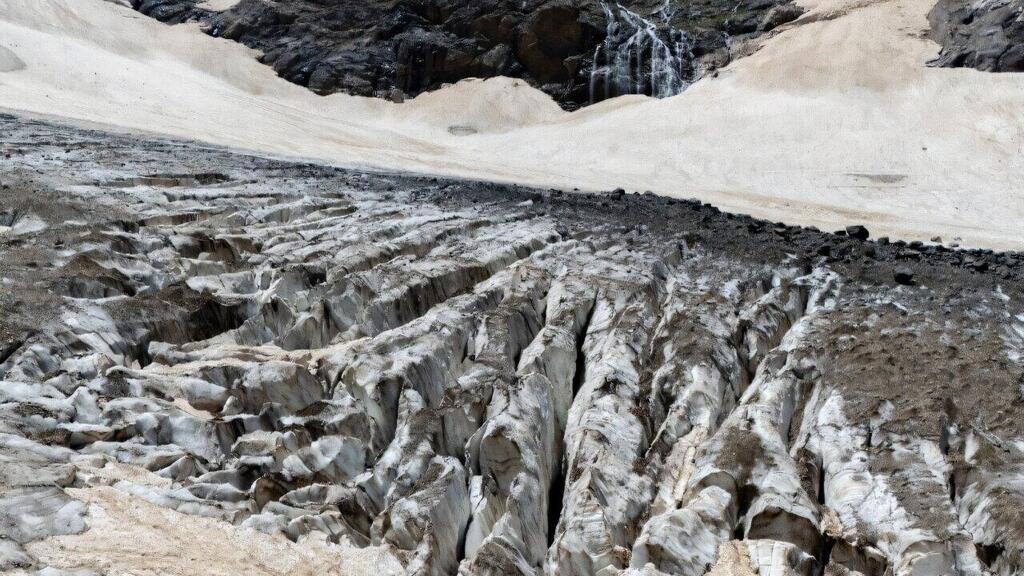
Melting galciers on the mountain
(Photo: AFP)
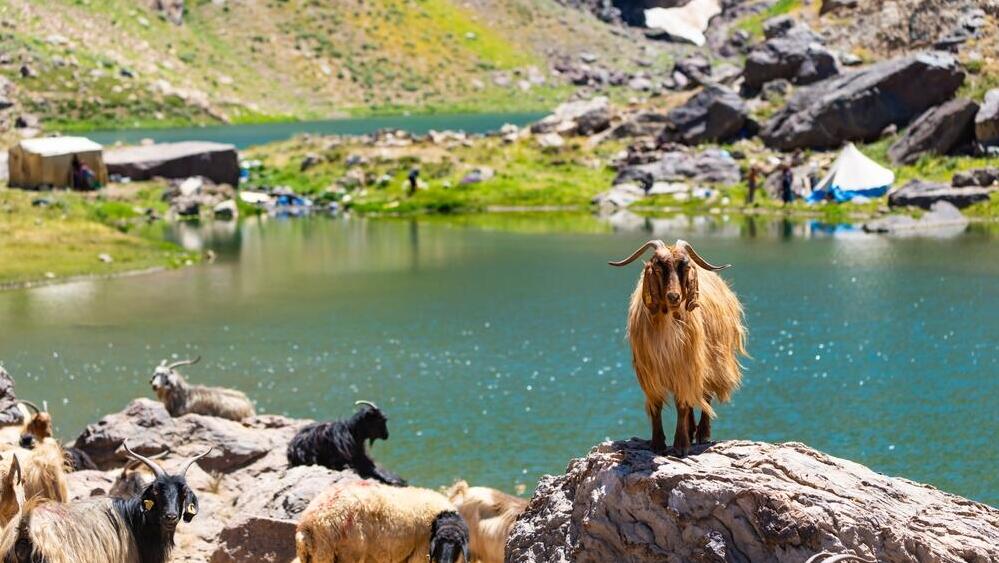
Turkey’s Cilo Mountain
(Photo: RauL C7/Shutterstock)
Efforts to slow melting, like covering Alpine glaciers with white tarps, have emerged, but the United Nations warns many glaciers may not survive the 21st century, threatening water supplies for millions. In July, the Kurdistan Workers’ Party (PKK), long opposed by Turkey and Western nations, disarmed, potentially boosting tourism to the region.
However, melting glaciers have made areas hazardous. In July 2023, two climbers died in a glacier collapse. Ozdemir warned against walking on ice, citing risks to both climbers and glacier preservation. He noted that a new road, 40-50 kilometers (25-31 miles) from the nearest city, has increased vehicle and tourist traffic, further accelerating the melt.
A UN report on global desertification estimated 88% of Turkey’s land is at risk. It predicted a 30% drop in precipitation by century’s end and a temperature rise of 5-6°C (9-11°F) compared to 1961-1990 averages, painting a dire picture for the region’s future.