

Domestic violence within the LGBTQ community is rarely discussed publicly, yet studies show its prevalence is similar to that in heterosexual society, often with distinct patterns and barriers to seeking help.
Threats of outing, social isolation, the use of stigma and deliberate attacks on a partner’s gender identity are among the forms abuse can take in same-sex relationships. Now, following a joint initiative by the Aguda – The Association for LGBTQ Equality in Israel and the Michal Sela Forum, the Welfare Ministry is set to train social workers nationwide to identify violence in LGBTQ relationships and provide tailored support.
'I experienced daily gaslighting'
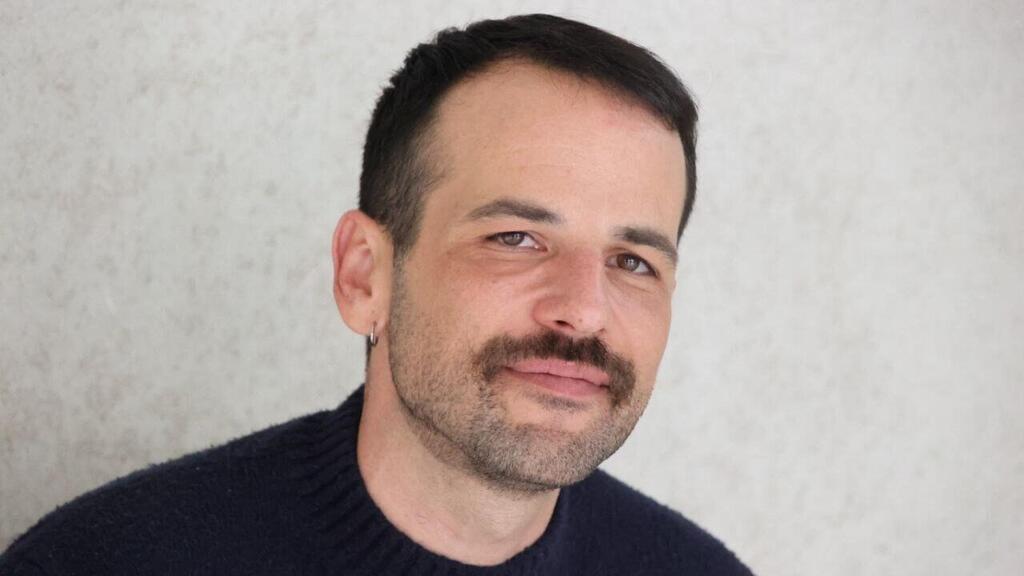
Yam Yadlin, 33, digital director at the Michal Sela Forum, was previously in an abusive relationship.
“He asked me to delete men from Instagram, to make my account private. Everything I told him about myself was used against me. I experienced daily gaslighting,” he said.
When the couple moved to a city far from his family and friends, the isolation intensified. “I had to be silent at home. If I shared anything with a friend, he would immediately get angry,” Yadlin recalled. “Once he smashed my iPad and slammed a glass door until it shattered. I knew next time I would leave.”
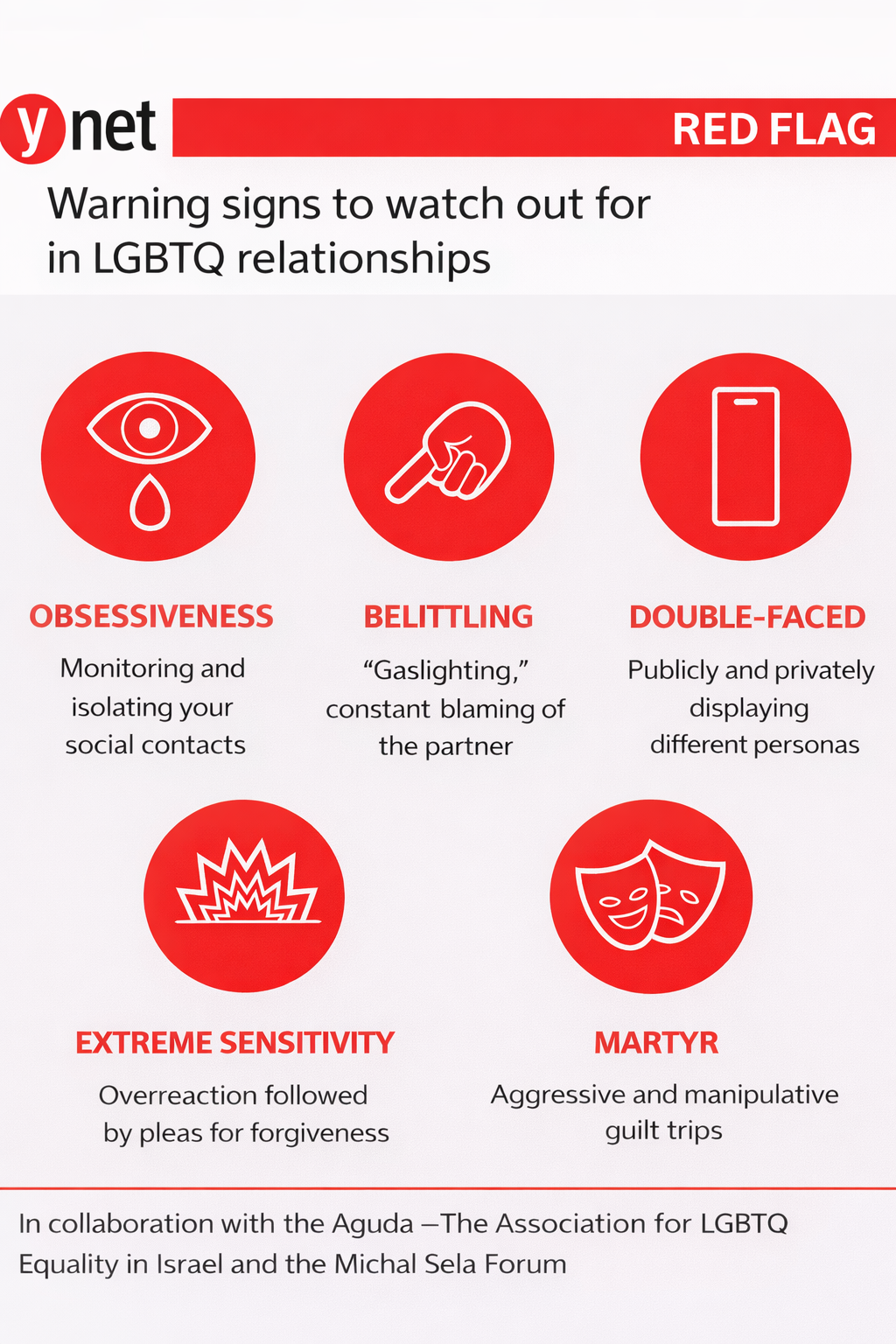
Yadlin was familiar with the forum’s “five warning signs” of violent relationships: obsessiveness, a double-faced partner, belittling, extreme sensitivity and the “martyr” dynamic. When his partner threatened to “turn my life into hell” if he left, Yadlin called a close friend for support.
“It’s important to know there is violence in same-sex relationships,” he said. “Stories like mine exist, and they need to be talked about so that anyone still in such a relationship can see that it’s possible to leave. Your partner’s past trauma is not a justification for violence and not a reason to live in fear.”
Unique patterns, systemic barriers
While domestic violence in LGBTQ relationships mirrors heterosexual rates, advocates say it often goes unrecognized.
In addition to physical and emotional abuse, threats of outing, cutting someone off from community or family and exploiting internalized stigma can become tools of control. Many victims face additional barriers, including the absence of culturally competent services and fear of discrimination when seeking help.
For the first time, the Michal Sela Forum and the Aguda are launching a nationwide strategic partnership with the Welfare Ministry to integrate the forum’s warning-sign model into services for LGBTQ couples.
Yarden Kroker, 37, described being in an abusive relationship with a woman. “I didn’t know the stages of domestic violence. It wasn’t on my radar,” she said. “I thought if I asked for help, it would be in a straight space. I didn’t feel I had an address.”
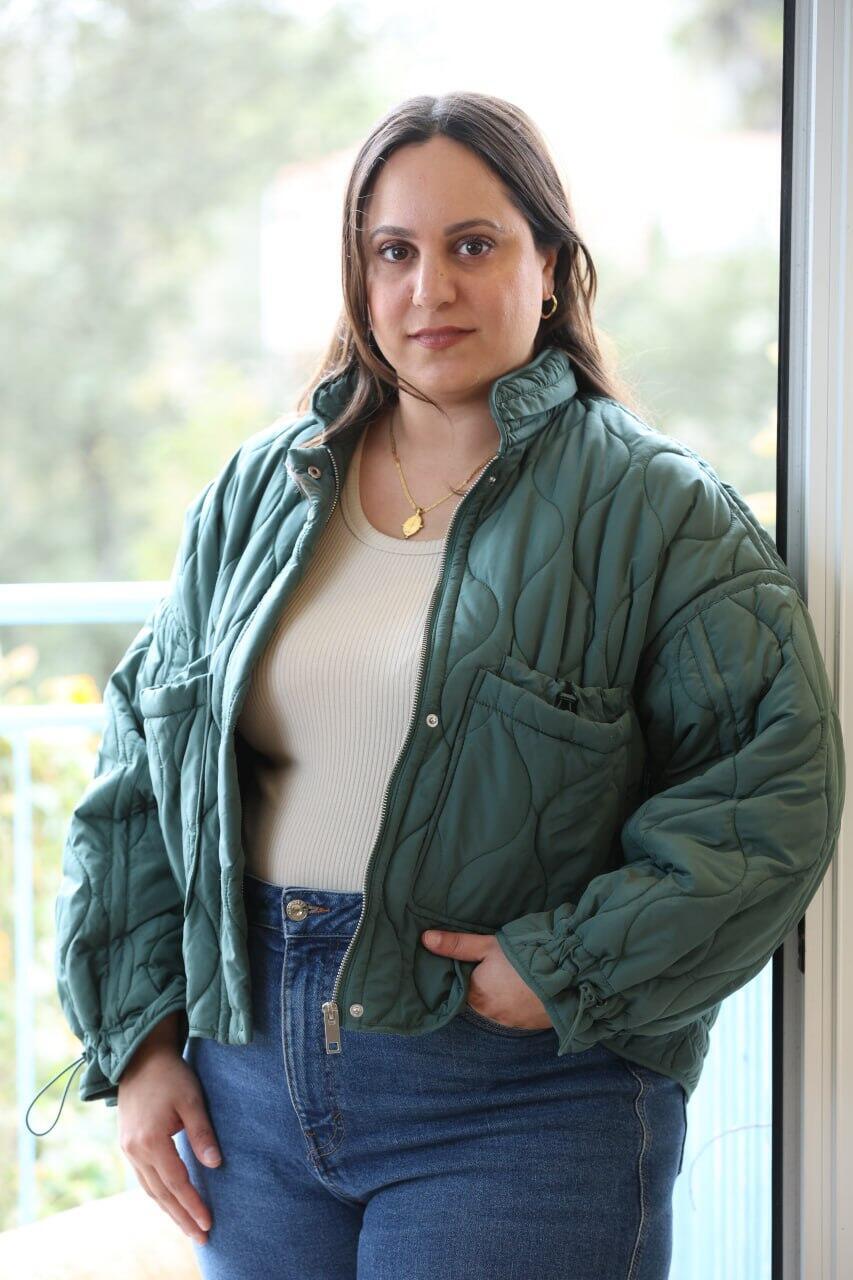
Yarden Kroker
(Photo: Elad Gershgoren)
The relationship lasted three and a half years. “At first there was magic and intensity. Then came the outbursts, the insults, the isolation from my family,” Kroker said. “Each time I thought it wasn’t about me. Slowly it became directed at me. I was sure it was my fault.”
The abrupt shifts from aggression to tenderness created confusion. “She would be violent and then help me recover. It made me believe the relationship could be saved,” Kroker said. “During her episodes I would dissociate. I would go to the kitchen and curl into myself, not knowing who I was or who she was. Later I even had a psychotic episode. There was addiction to the relationship. A traumatic bond.”
In one argument, her partner grabbed a knife. “I lived with the feeling she could kill me,” Kroker said. “I tried to break up maybe 30 times.” When she sought help, she found no dedicated support groups. “It’s another closet you come out of. I came out as a lesbian, and now I have to come out as a victim of violence?”
Her message today: “It’s not your fault that you entered. But it’s your responsibility to leave.”
Training and recognition
Shelly Gur, vice president of operations at the Aguda, said the organization was approached about 18 months ago by the Michal Sela Forum after receiving inquiries from the community.
“We realized there wasn’t enough tailored response. We worked on this for a year and a half,” she said.
As part of the initiative, the Aguda’s helpline “Yesh Im Mi Ledaber” and the forum’s hotline have undergone specialized training, along with therapists at the LGBTQ clinic. For the first time, the Welfare Ministry is joining the effort on a national scale.
Seventy-six designated social workers serving the LGBTQ community across 71 municipalities, along with 171 family centers and the national hotline 118, will receive training to identify patterns of abuse in same-sex relationships.
“In LGBTQ relationships, you don’t see power gaps immediately,” Gur said. “But they exist. They can be economic, age-related, or between someone who is out and someone who is not. Now there will be three axes: the Aguda, the Michal Sela Forum and welfare services. The community will know it has an address.”
Lili Ben Ami, CEO of the Michal Sela Forum, said the organization has received difficult appeals from LGBTQ victims over the years.
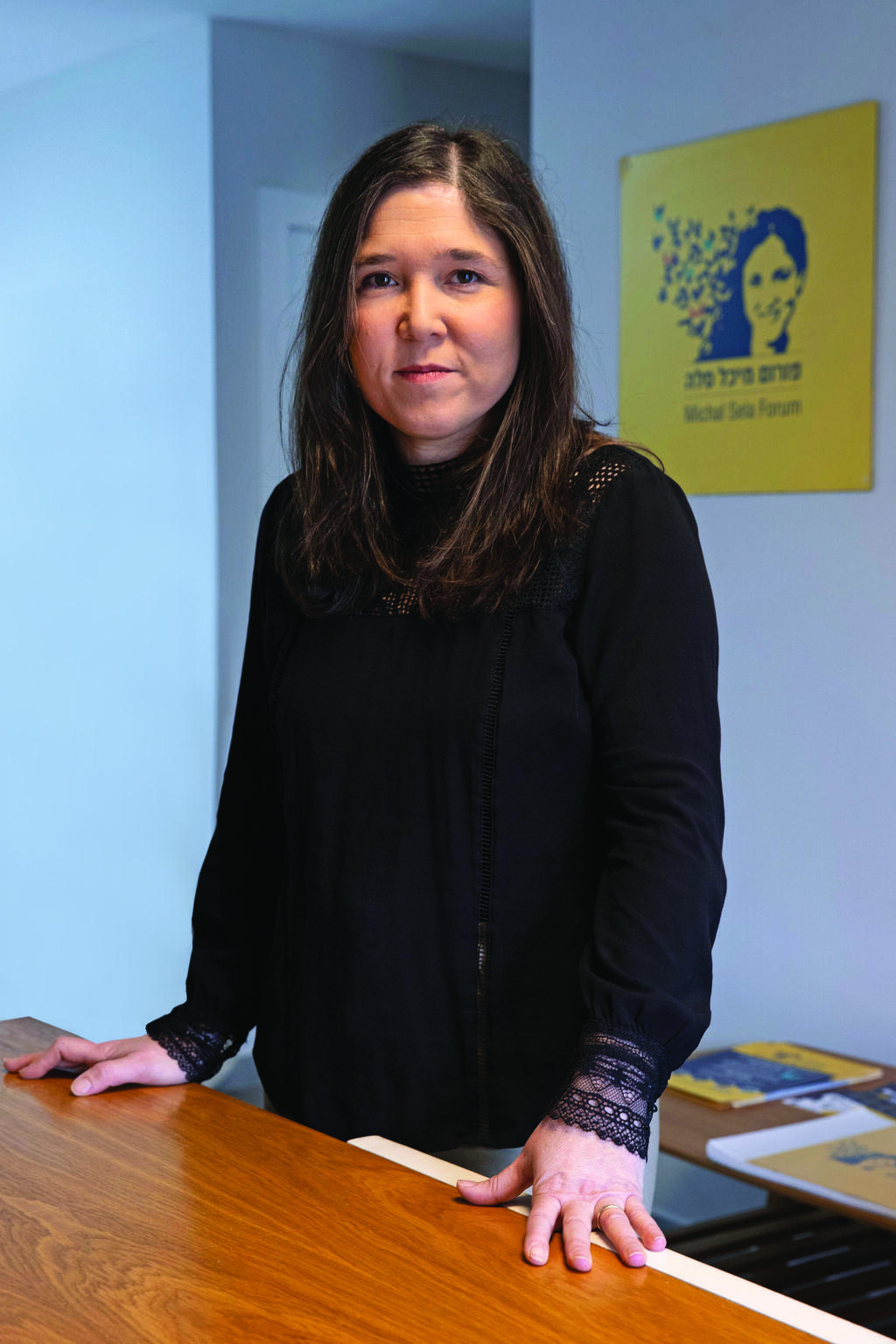
Lili Ben Ami, CEO of the Michal Sela Forum
(Photo: Anat Shabi)
“There is an additional closet of silence due to fear of stigma and threats of outing, which become a weapon in the hands of the abuser,” she said. “Violence in relationships does not distinguish by sexual orientation. The message is clear: love is not fear. If you feel you are walking on eggshells at home, don’t wait. There is an address, there is help, and you can leave safely.”
The national initiative is expected to begin in the coming two months. For those who experienced silence from within, the move represents more than professional training. It signals recognition.
“The more we talk about it, the more we can eradicate it,” Kroker said. “We need our community around us. To rest for a moment from the struggle over identity and treat the wound that is bleeding.”
Aguda helpline: *2982
Michal Sela Forum hotline: *3898
Welfare Ministry hotline: 118