


It does not always hurt or become noticeable, but it can dramatically affect oral health, and sometimes overall health as well. Gum disease is one of the most common diseases, yet many people recognize it only after significant damage has already been done.
How can it be detected early? What actually works in a daily routine? And what mistakes do most of us make without realizing it? Dr. Meyrav Oman, periodontist at the Center for Oral and Dental Medicine at Ichilov, explains the basics and the small details that can make a big difference.
What is gum disease, and how does it develop?
“Gum disease” is an umbrella term for two main conditions. The first is gingivitis, a common, reversible form of inflammation that affects only the gums and does not lead to bone loss.
The second, more serious condition is periodontitis, a chronic inflammatory disease in which the inflammation spreads to the tissues that support the teeth, causing irreversible damage to the bone and the ligaments that connect the tooth to the bone. Without treatment, the process can lead to loose teeth and even tooth loss.
Gallery
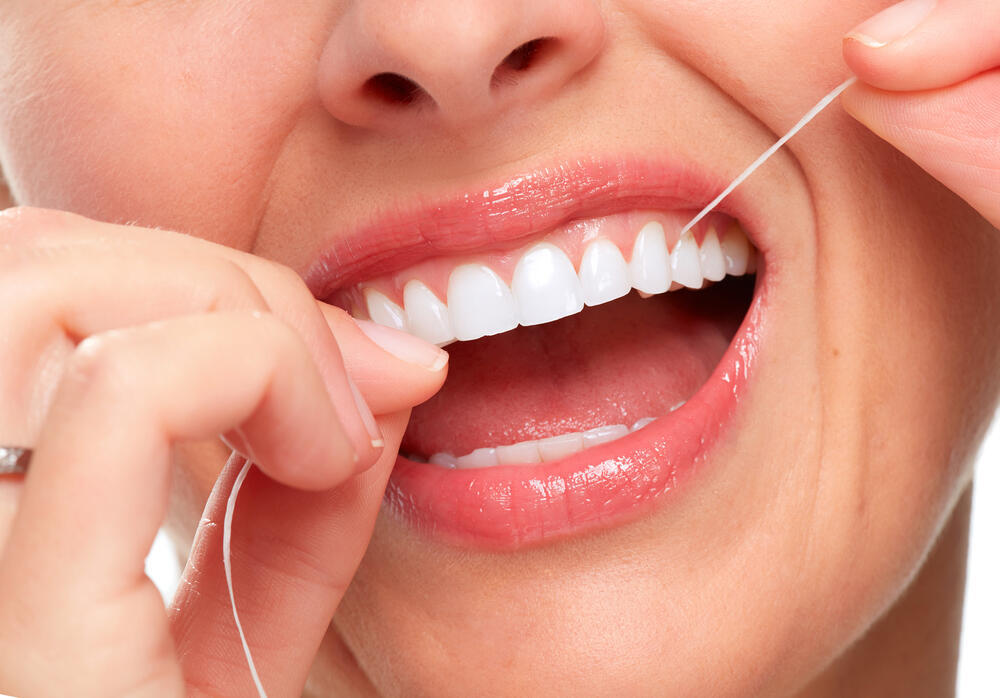
Dental floss is best suited for tight spaces, but it is not always enough for people with gum disease
(Photo: Shutterstock)
Both conditions begin with the buildup of bacterial biofilm, or plaque, on the teeth. The biofilm is the initial trigger for inflammation, but the tissue damage is caused not only by the bacteria but also by the body’s immune response. “When the inflammatory response is prolonged and uncontrolled, it can destroy the supporting tissues,” Oman said.
The disease’s severity and pace of progression depend on several factors, including genetics, smoking, poorly controlled diabetes, persistent plaque buildup and environmental factors such as stress. “In advanced stages, gum surgery may also be needed to regenerate the tissue,” Oman said.
The first signs
Oman said gum disease often begins with subtle signs that are easy to miss. “The early signs are subtle and usually painless, so many people ignore them,” she said. “The most sensitive sign is bleeding during brushing or cleaning between the teeth, which indicates active inflammation. Other signs include redness, swelling, sensitivity near the tooth’s neck (dental cervix) and sometimes bad breath. Healthy gums do not bleed.”
The absence of pain does not mean there is no problem. “In most cases, there is no pain, even when there is significant tissue destruction,” Oman said. “That is why diagnosis is often delayed until irreversible damage has already occurred. Pain usually appears only in acute situations.”
Bleeding, she stressed, should not be dismissed. “Bleeding indicates inflammation and requires treatment,” she said. In fact, there is no such thing as “normal” or “acceptable” gum bleeding. Healthy gums do not bleed at all, and any bleeding that lasts more than seven to 14 days, even with good oral hygiene, should prompt a professional evaluation.
What actually works
“The gold-standard routine includes three main components: brushing twice a day, preferably with an electric toothbrush; cleaning between the teeth, using interdental brushes or dental floss; and regular professional maintenance, such as with a dental hygienist or dentist, based on the person’s risk level, usually every three to six months,” Oman said. “The most important thing is personalized guidance and proper instruction.”
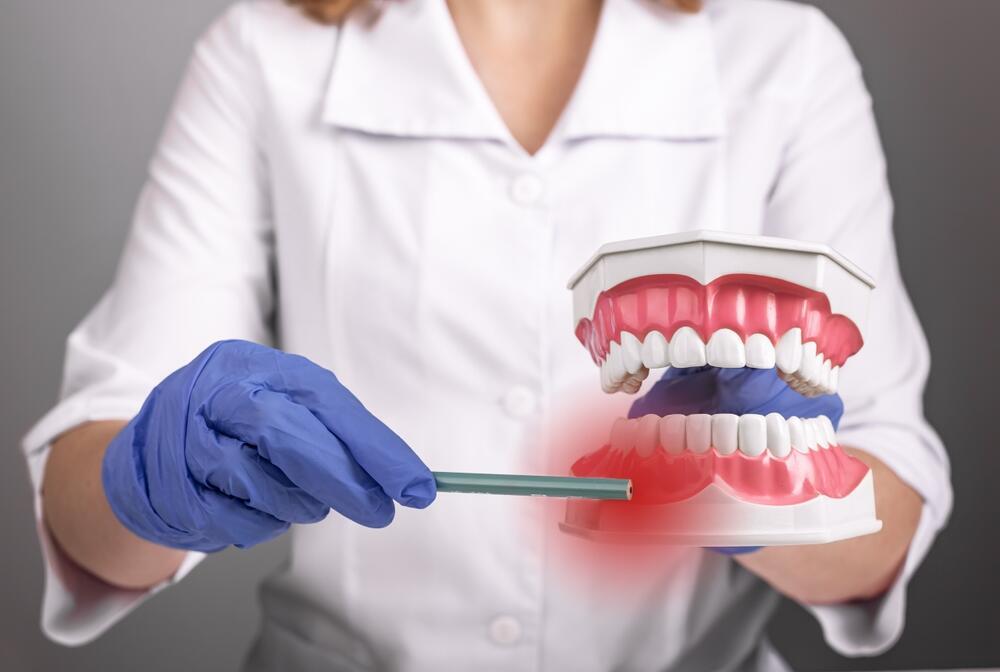
Gum recession: Exposure of the tooth root, which can cause sensitivity and damage to the tooth
(Photo: Shutterstock)
That leads to one of the main questions that confuses patients: What is the best way to clean between the teeth? According to current guidelines from the European Federation of Periodontology, based on thousands of studies, interdental brushes are the most effective tool for reducing inflammation and plaque. Silicone picks are not a substitute for interdental brushes, though they may be considered as a supplemental tool in very narrow spaces, as the evidence for their effectiveness is weaker.
What about dental floss?
“In patients with gum disease, floss does not effectively clean the spaces created by tissue loss or the exposed tooth roots,” Oman said. “Interdental brushes come in different diameters and can be individually fitted to those areas. That is why they are considered the gold standard for open spaces, crowns and implants, while dental floss is mainly intended for places where the contact is too tight for a brush.”
She said proper use is also important. “Aggressive flossing or forcing in an interdental brush that is too large can traumatize the soft tissue and cause localized gum recession,” she said.
Proper brushing: Technique, time and pressure
An electric toothbrush with oscillating-rotating technology is currently recommended for effective plaque removal from tooth surfaces. “For people who use a manual toothbrush, there is no single superior technique,” Oman said. “The key is systematic, effective mechanical plaque removal, adjusted to the structure of the teeth, existing dental work and the person’s skill level.”
The recommendation is to brush for at least two minutes with toothpaste containing fluoride at a concentration of at least 1,450 ppm. For patients at higher risk of root cavities, including those with gum recession, prescription toothpaste with 5,000 ppm fluoride may be recommended.
Heavy pressure and aggressive brushing are risk factors for gum recession, especially in patients with thin gums. “In those cases, electric toothbrushes with pressure sensors provide real-time feedback and help prevent damage,” Oman said.
Mouthwash, water flossers and everything in between
Mouthwash is often seen as an easy solution, but it is not a substitute for mechanical cleaning. Bacteria in the mouth are organized in a resistant biofilm structure that can be removed only through brushing and cleaning between the teeth.
“For patients who struggle with mechanical cleaning, mouthwashes with active ingredients such as essential oils or CPC may be considered, but their contribution is limited and they do not replace thorough cleaning,” Oman said.
Mouthwashes containing chlorhexidine are considered the clinical gold standard for reducing bacterial load, but they are intended only for short-term use of two to four weeks around surgery or acute inflammation because of side effects such as tooth staining and changes in taste.
Water flossers also do not remove plaque as effectively as interdental brushes, but they can reduce bleeding by rinsing away inflammatory factors. They are especially useful for people who have difficulty with manual cleaning or for hard-to-reach areas.
What about bad breath?
Oman said that in about 85% to 90% of cases, bad breath originates in the mouth. “The odor is caused by the breakdown of proteins by anaerobic bacteria, which produce volatile sulfur compounds with a strong smell,” she said. “These bacteria accumulate mainly in deep gum pockets and on the back of the tongue.”
The solution is not masking the odor with mouthwash, but mechanically removing the bacteria through cleaning between the teeth, daily tongue cleaning and, when needed, professional treatment to remove deposits below the gumline.
The link to overall health
“There is a direct link between gum health and the health of the entire body,” Oman said. “In diabetes, the relationship is two-way: Uncontrolled diabetes worsens gum disease, while gum inflammation makes it harder to control blood sugar levels. Gum disease is considered a risk factor for heart disease. Gum inflammation can affect the body by increasing systemic inflammation, and sometimes through bacteria entering the bloodstream.”
The important message, she said, is that proper gum treatment not only improves oral health but can also help reduce systemic inflammation and support overall health.

Brushing too aggressively can cause gum recession and tissue damage
(Photo: Shutterstock)
Are hormonal changes linked to gum inflammation?
“Yes,” Oman said. “Hormonal changes increase the inflammatory response, which raises the prevalence of gingivitis. There is evidence of a link between gum inflammation and premature birth and low birth weight. It is recommended to be examined before pregnancy or at least during the second trimester.”
People with diabetes are at higher risk and are generally advised to have periodontal follow-up every three to four months. In older adults, the emphasis is on preventing dry mouth, using tools adapted to manual ability and sometimes increasing the frequency of follow-up based on medical condition and medications.
 Dr. Meyrav OmanPhoto: Private
Implants are more sensitive than you think
Oman said implants are not “immune.” In fact, they are more vulnerable than natural teeth. “The connection between the gums and the implant is weaker, and the tissue’s healing ability is lower, which allows inflammation to progress much more quickly toward the bone,” she said.
That is why especially careful hygiene around implants is needed, including brushing and the use of interdental brushes. Early detection of bleeding, swelling or discharge is critical because the condition is still reversible at that stage. Without treatment, it can develop into peri-implantitis, a far more complex condition.
What common mistake do people make?
“The most common mistake is skipping interdental cleaning and relying on mouthwash alone,” Oman said. “Relying only on a water flosser is also not enough to remove plaque.”
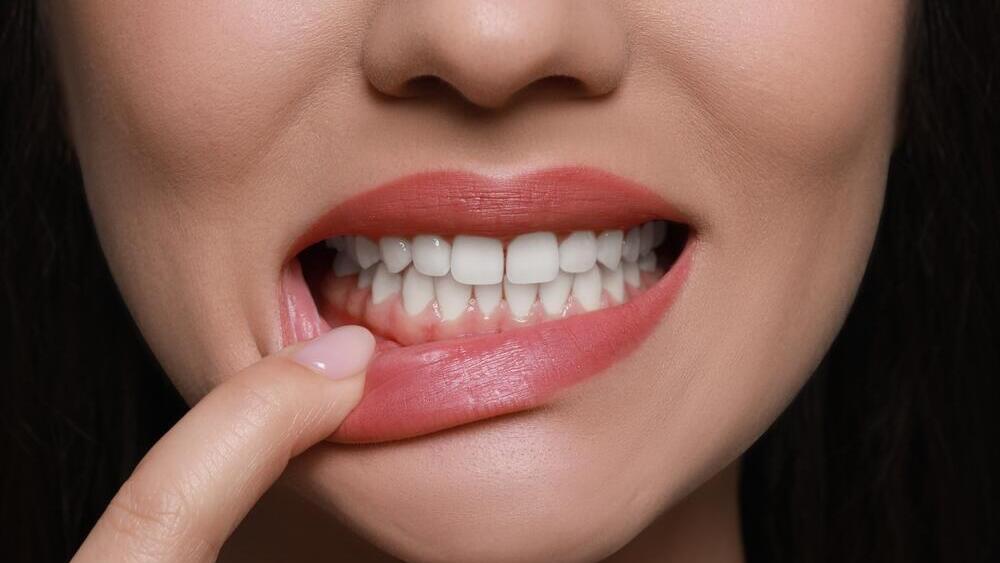
Gums are vital tissue that support the teeth and help maintain overall oral health
(Photo: Shutterstock)
What about smoking?
“Tobacco smoking is one of the most significant risk factors for gum disease,” Oman said. “In smokers, the disease is more severe, progresses faster and sometimes bleeding is reduced, which masks the problem and leads to late diagnosis. Cannabis smoking has also been linked to gum damage and bone loss, in part because of its effect on the salivary glands.”
Treatments and new developments
When it comes to treatment, today’s approach is gradual and tailored to each patient. “Treatment is personalized and stepwise,” Oman said. “The first stage is conservative treatment, including home hygiene and professional cleaning. In more advanced stages, regenerative treatments, microsurgery and biological materials may be used.
"These advances now allow us to preserve teeth that would once have been extracted. It is important to note that implants are not a magic solution. Inflammatory diseases can develop around them too, so careful maintenance is required.”
One major trend in the field is the move toward minimally invasive methods, which allow for gentler treatment and better tissue preservation. This approach reduces pain and swelling and improves the patient experience while preserving as much of the gum tissue as possible.
Oman identified one development as a particularly significant breakthrough.“The most significant innovation, in my view, is regeneration, which has changed the rules of modern periodontology by allowing the body to rebuild tissue damaged or lost to gum disease,” she said.
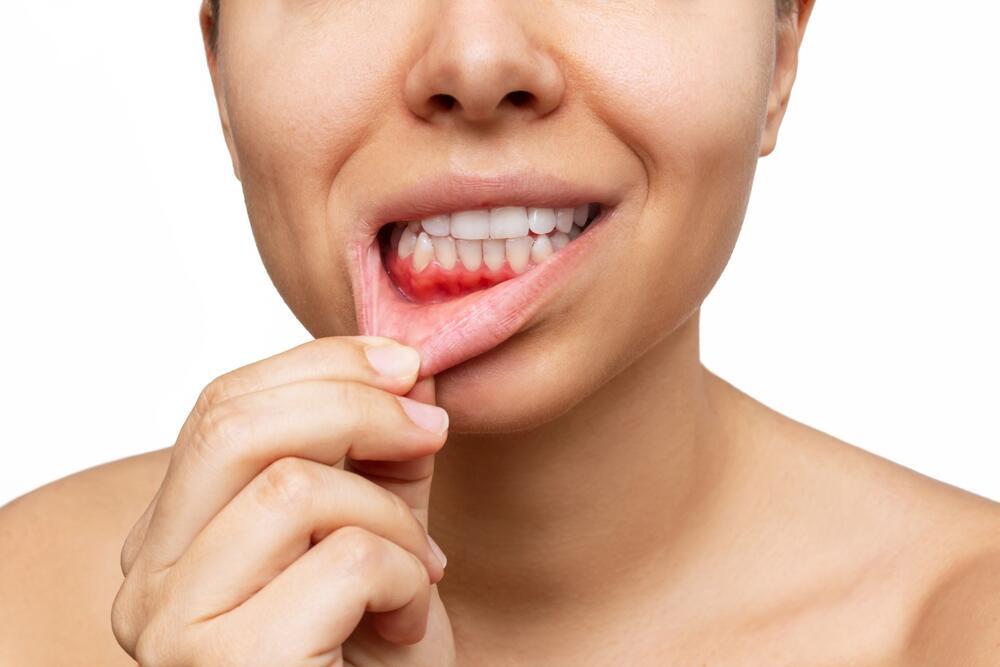
Bleeding gums: An early sign of active inflammation that should not be ignored
(Photo: Shutterstock)
“The main tool that makes this possible is the use of regenerative proteins, such as Emdogain,” she said. “This is an established, proven technology that has been studied for three decades. These proteins mimic the embryonic process of tooth formation, stimulate nearby stem cells and cause them to migrate to the damaged area, grow and begin differentiating to rebuild the lost tissues: bone, cementum and the fiber ligament that connects them. These proteins also promote angiogenesis and speed gum healing.”
For patients, she said, the significance is clear. “This is a winning combination. With regeneration, we can turn back the clock and preserve the natural dentition, sometimes even in extreme cases involving teeth that had been slated for extraction.”
What about gum recession?
“Recession is the lowering of gum tissue and exposure of the tooth root,” Oman said. “It can cause sensitivity, discomfort and a risk of root cavities. Treatment is personalized and sometimes includes surgery to cover the root.”
When should people start paying attention?
“Already in childhood,” she said. “Gingivitis is common among children and adolescents, especially with poor hygiene. From the age of 30, there is a significant increase in the prevalence of gum disease. Good habits at a young age are critical for prevention.”
Her main message is simple: Gum disease is not inevitable. “It can be prevented, diagnosed early and treated,” Oman said. “Do not wait for pain. Regular checkups and proper hygiene habits are the key to keeping your teeth over time.”