

Under yellow lighting and strict sterile conditions, a precise and quiet process unfolds each day at Magen David Adom’s National Breast Milk Bank.
Breast milk pumped in the homes of nursing mothers is frozen and collected by MDA representatives. It is then transported to laboratories at MDA’s headquarters in Ramla, where it undergoes screening, centrifugation and pasteurization under stringent regulations. Only after rigorous quality testing, batch labeling and deep freezing at minus 30 or minus 80 degrees Celsius are the bottles sent to neonatal intensive care units and wards for sick infants across the country. For some babies, each portion is a matter of life and death.
What happens at Magen David Adom’s milk bank? We met Dr. Sharron Bransburg Zabary, the bank’s director


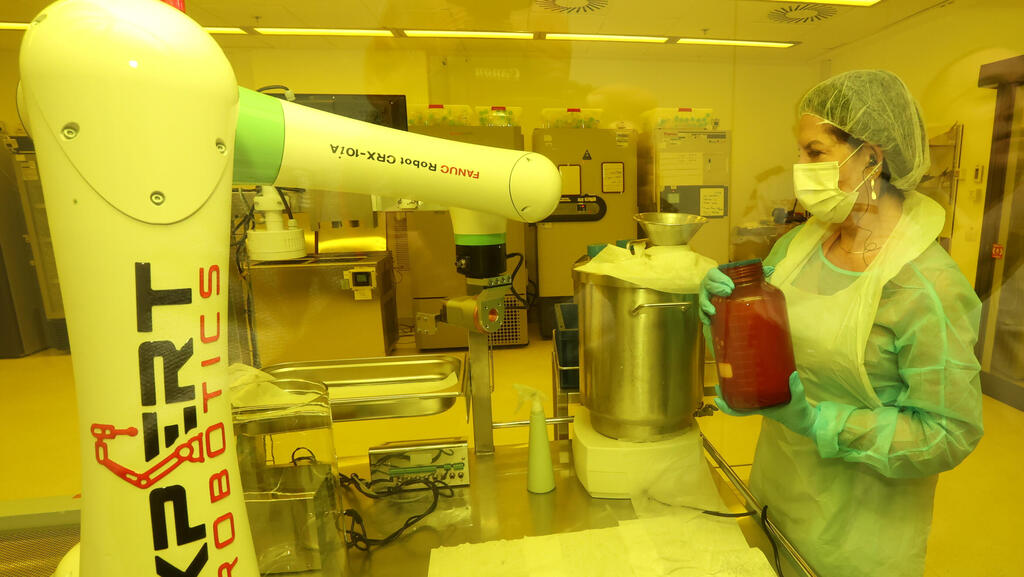
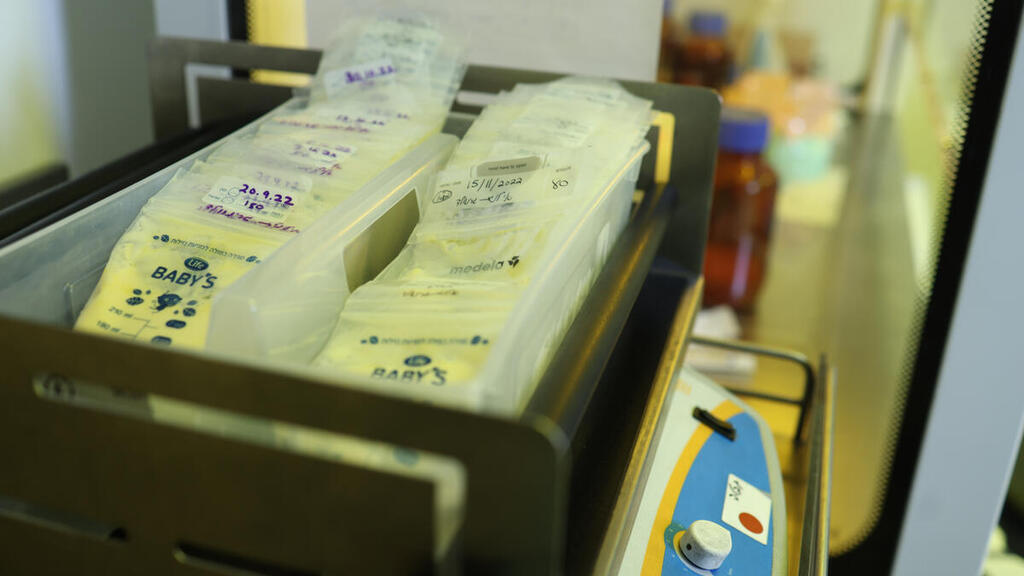
Behind every portion is a chain of donation that begins in the home of a nursing mother and ends in the crib of a premature infant in need
(Photo: MDA Spokesperson’s Unit)
In the laboratory corridor, it is hard to miss the sense that this is an unusual place in the medical landscape. On the “Milky Way Wall,” covered with star stickers, each star bears the name of a mother who chose to donate milk. The number of stars reflects how much the system relies on quiet, personal mobilization. It is a discreet rescue operation that rarely makes headlines, but for hundreds of premature and ill infants it is a human lifeline.
We met Dr. Sharron Bransburg Zabary, director of the milk bank, who oversees the process that yields about 350 to 400 portions of milk each month, turning breast milk into a lifesaving resource.
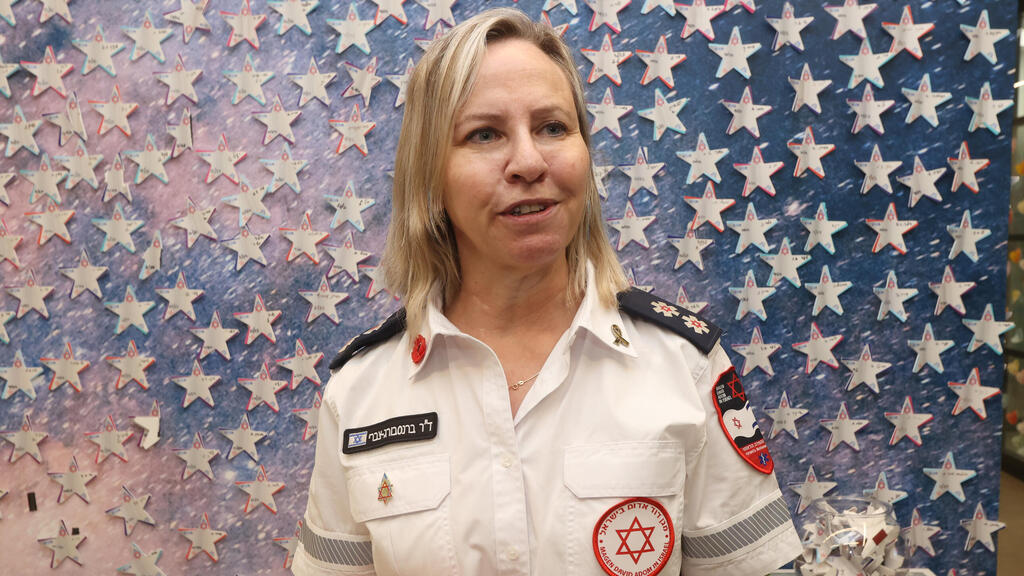
Dr. Sharron Bransburg Zabary, director of the milk bank, closely oversees every stage of the process
(Photo: Shaul Golan)
Emergency policy during war
Amid the ongoing Operation Roaring Lion, the milk bank notes that a temporary Health Ministry directive issued after October 7 remains in effect. It stipulates that an infant evacuated to a hospital as an unidentified patient will, by default, be fed milk from the bank. The directive also applies when a mother cannot breastfeed or provide expressed milk due to the circumstances.
“The directive is also relevant for families in which the mother is called up for reserve or regular military service and does not have enough stored milk,” Bransburg Zabary said. “In these situations, the bank provides backup and supplies milk to the baby. Every infant whose mother’s milk is inaccessible due to circumstances is entitled to milk from the bank.”
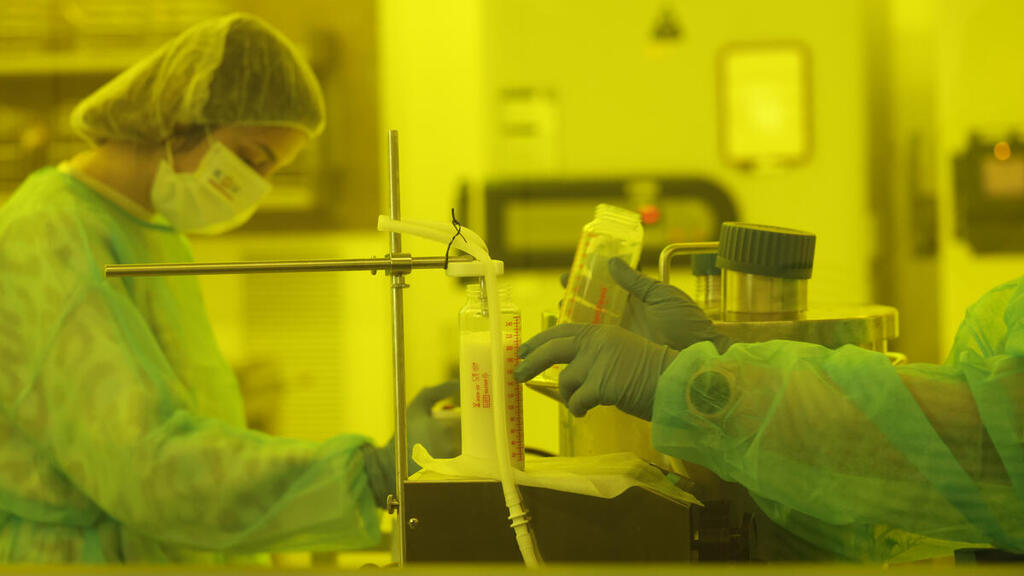
Each bottle undergoes rigorous testing, screening and pasteurization before reaching neonatal units across the country
(Photo: MDA Spokesperson’s Unit)
A controlled chain from donor to NICU
Behind every bottle delivered to a neonatal unit is a long and carefully monitored chain that begins in the home of a nursing mother who wishes to donate.
“Mothers of healthy babies contact the milk bank, fill out a questionnaire and undergo a medical interview,” Bransburg Zabary explained. “A volunteer then visits the home to ensure the baby is healthy and thriving and that the home environment meets hygiene standards.”
Only then does the donation proceed. Mothers pump surplus milk using an approved personal pump, store it in designated bags provided by the bank and freeze it until an MDA representative collects it. Each bag is carefully labeled with volume, name, date of expression and any unusual events. The milk is transported under refrigeration to the bank, where it undergoes a strict technological process before being approved for use.
“From the moment a portion enters the bank, it follows a supervised path with no shortcuts,” Bransburg Zabary said. “Each portion is screened and processed under strict regulation, including sampling, centrifugation and pasteurization. Only after a final quality check is it approved as safe. A lab worker then affixes a batch barcode to each bottle, and the milk is stored in deep freeze at minus 30 or minus 80 degrees for nine months to a year.”
Some milk is disqualified due to bacterial contamination such as E. coli or salmonella if it does not meet Health Ministry standards.
The work is carried out under yellow lighting to preserve nutrients. “Exposure to regular light can damage breast milk,” Bransburg Zabary said. “To preserve vitamins and essential components, especially for sick or very small babies, we work under lighting that protects every drop.”
Balancing two babies
The process combines manual and robotic stages. Initial handling is done by hand, while bottle filling in the pasteurization room is now performed by a robot, reducing labor costs and helping maintain hygiene.
Not every woman who gives birth can donate. “Unlike blood, here there is also a ‘silent donor’ — the donor’s own baby — and we must ensure the donation does not harm the child,” she said.
Eligibility depends on successful breastfeeding rates, the mother’s emotional availability and sufficient milk supply. “Two babies are always involved: a sick baby who needs the milk and a healthy baby. Our role is to balance the needs of both,” she said.
A bridge between mothers
In February 2024, a meeting between two mothers illustrated the bank’s role during emergencies. Natalie Lulu-Shamriz, 30, evacuated from Kibbutz Kfar Aza on October 7 while 26 weeks pregnant, later gave birth prematurely after her milk supply dwindled due to stress. She relied on donated milk for her baby.
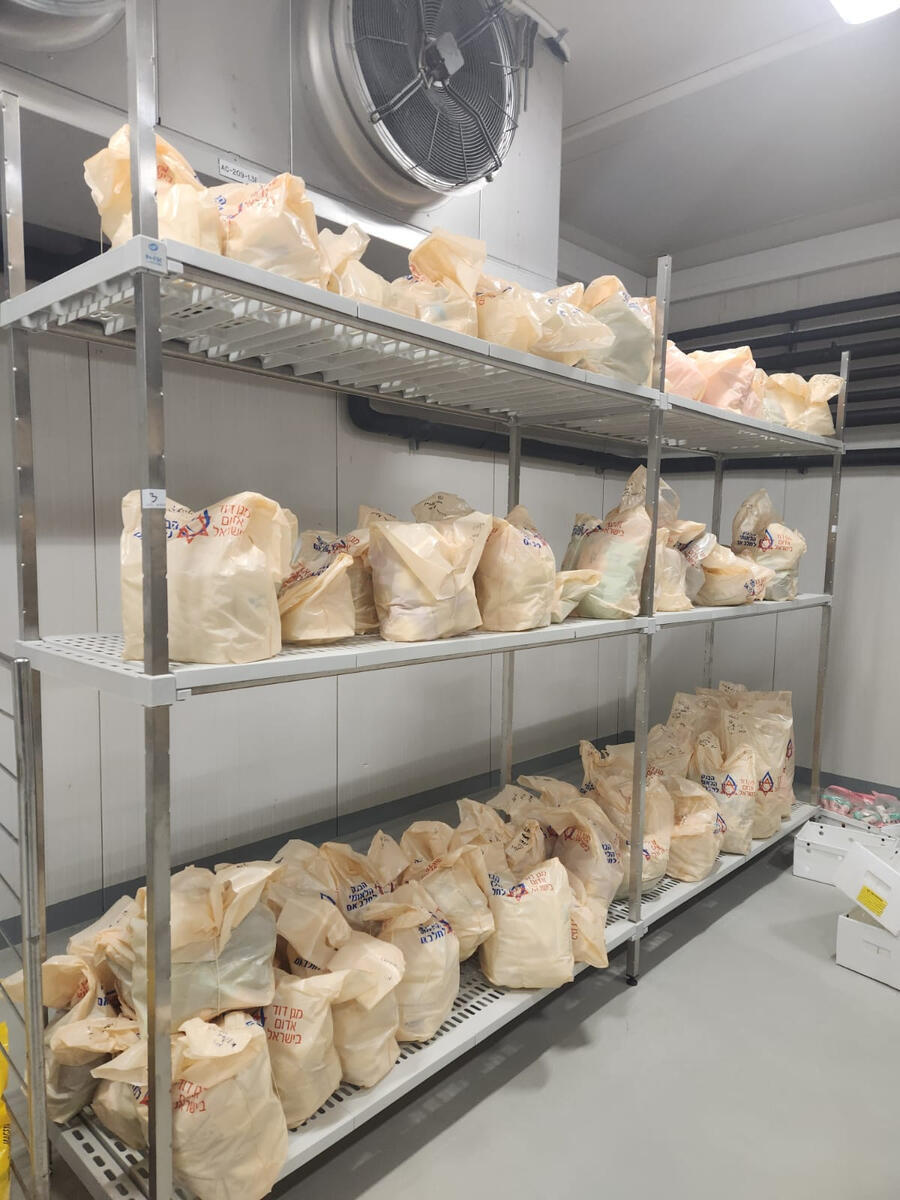
Each month, the bank produces hundreds of portions of milk, each potentially critical for a baby with complex medical needs
(Photo: MDA Spokesperson’s Unit)
Shlomit Shaked, 31, from central Israel, had an abundant milk supply after giving birth 10 months earlier. With her husband called up for reserve duty, she sought to contribute to the war effort and began donating to the milk bank.
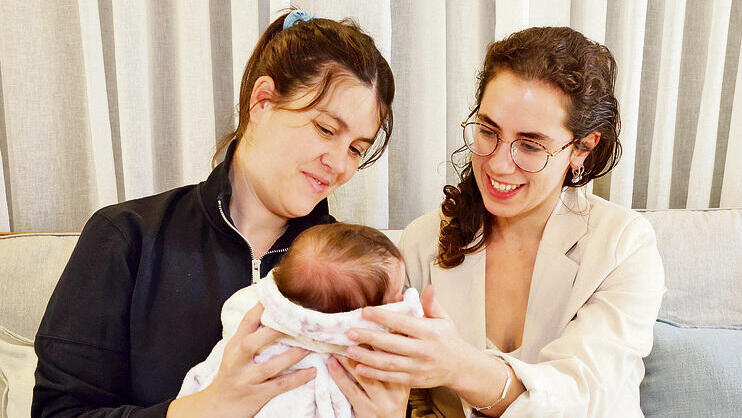
The emotional meeting between donor and recipient. From right: Shlomit Shaked and Natalie Lulu-Shamriz
(Photo: Shaul Golan)
“You are an angel, the only point of light in these dark days,” Natalie told Shlomit during their meeting.
‘Like a unit of blood’
About 10% of births worldwide are premature. In Israel, roughly 15,000 premature babies are born each year, some with very low birth weight.
“For these infants, breast milk is not just food,” Bransburg Zabary said. “It provides antibodies and immune components that protect against disease, help build the immune system and promote brain and body development. Like a unit of blood, a portion of milk is human tissue. It contains stem cells and white blood cells. There is no substitute.”
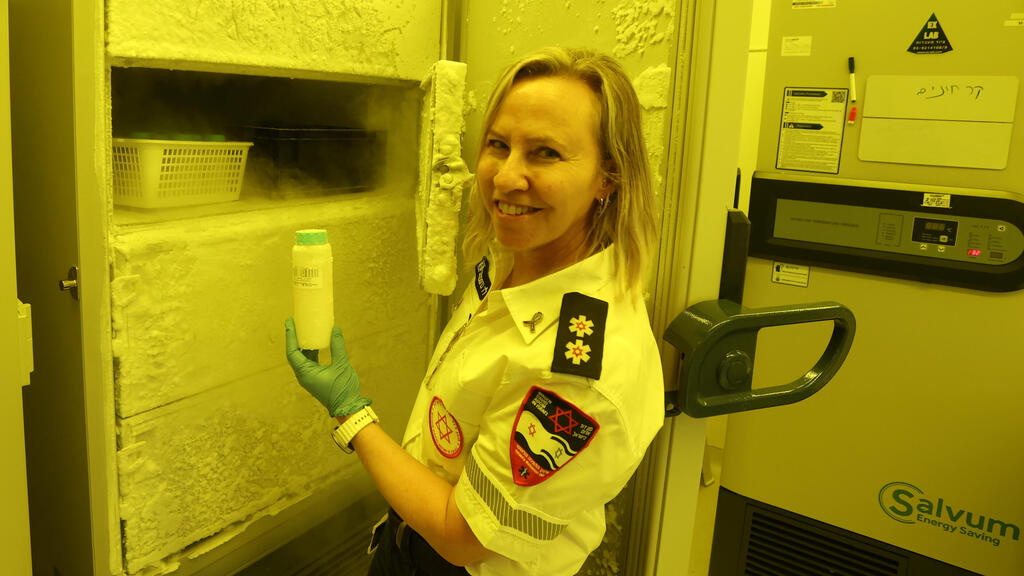
Dr. Sharron Bransburg Zabary, director of the bank, with the 'holy grail,' a bottle of breast milk stored in deep freeze
(Photo: Shaul Golan)
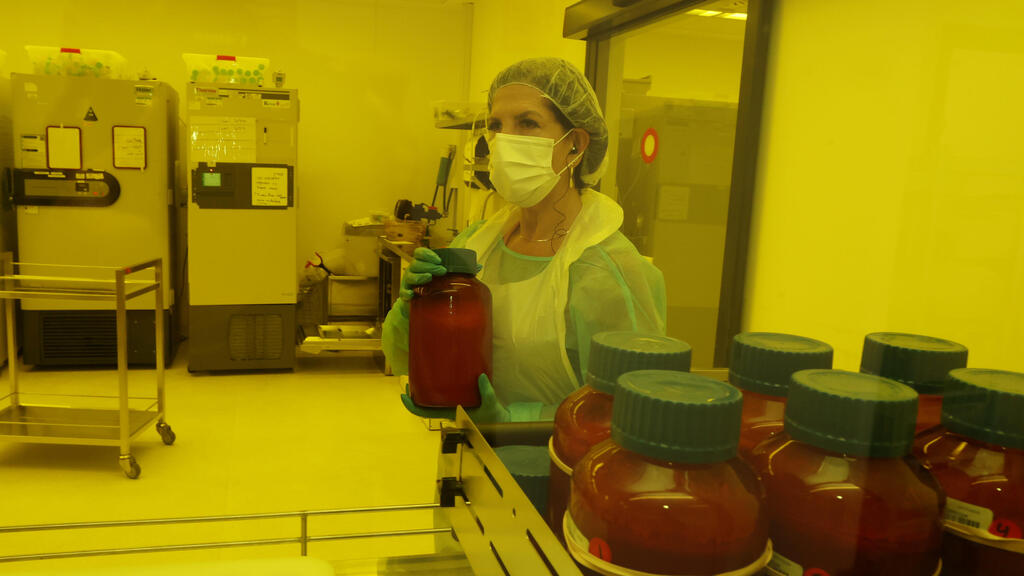
Inside the milk bank
(Photo: Shaul Golan)
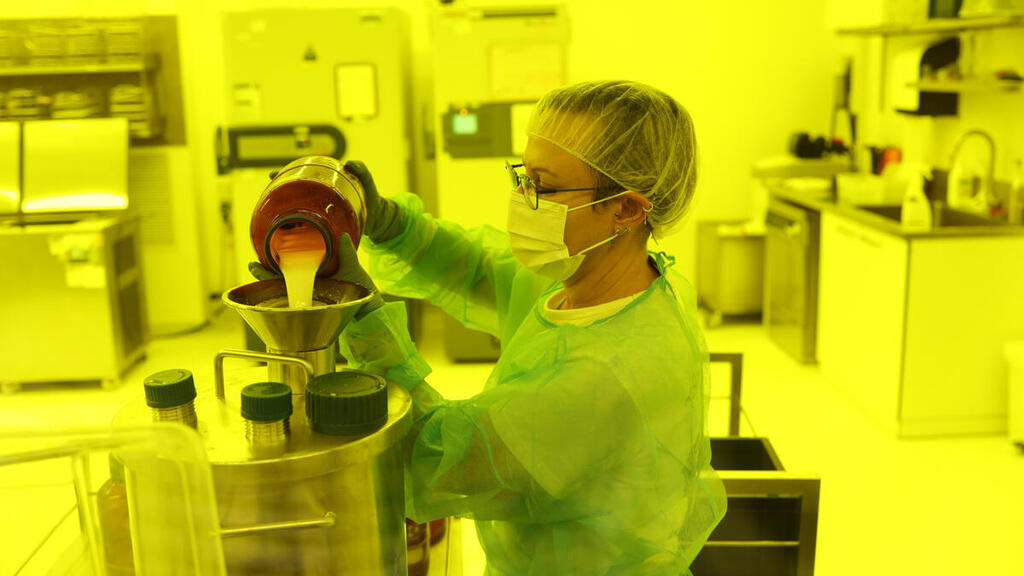
Under yellow lighting and strict sterile conditions, breast milk is processed to preserve its vital components for sick and premature infants
(Photo: MDA Spokesperson’s Unit)
In 2025, the bank supplied about 4,200 liters of breast milk to premature infants and sick babies nationwide. Donations typically last four to five months, though some mothers donate longer.
Since October 7, 2023, the bank has operated in emergency mode, supplying about 2,400 liters of milk to orphaned infants and babies whose mothers were wounded or mobilized. Even in emergencies, standards remain strict, though collection procedures are adapted to reduce risk to donors.
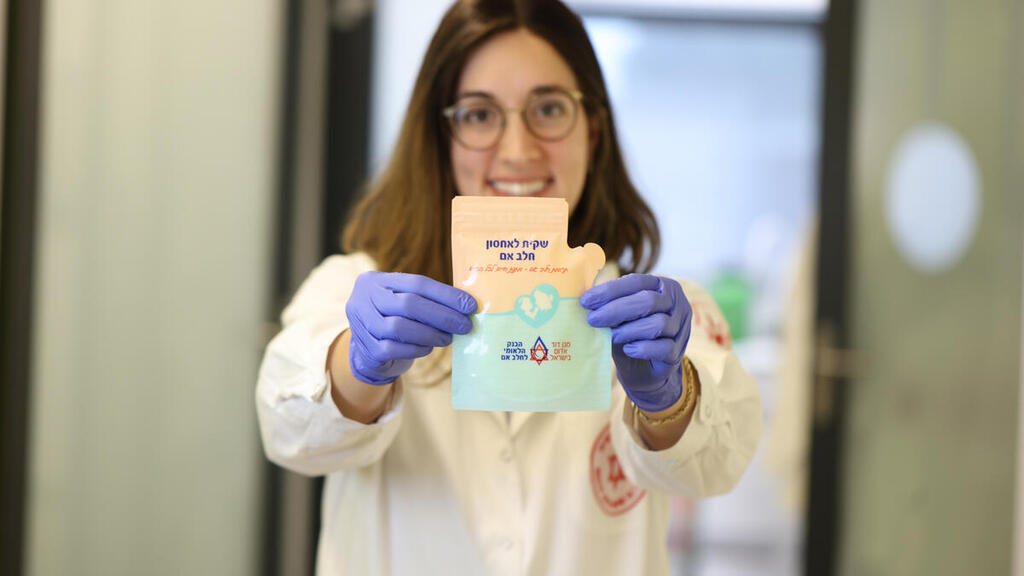
Even during emergencies and security escalations, the bank operates at full readiness to ensure a continuous supply for infants in need
(Photo: MDA Spokesperson’s Unit)
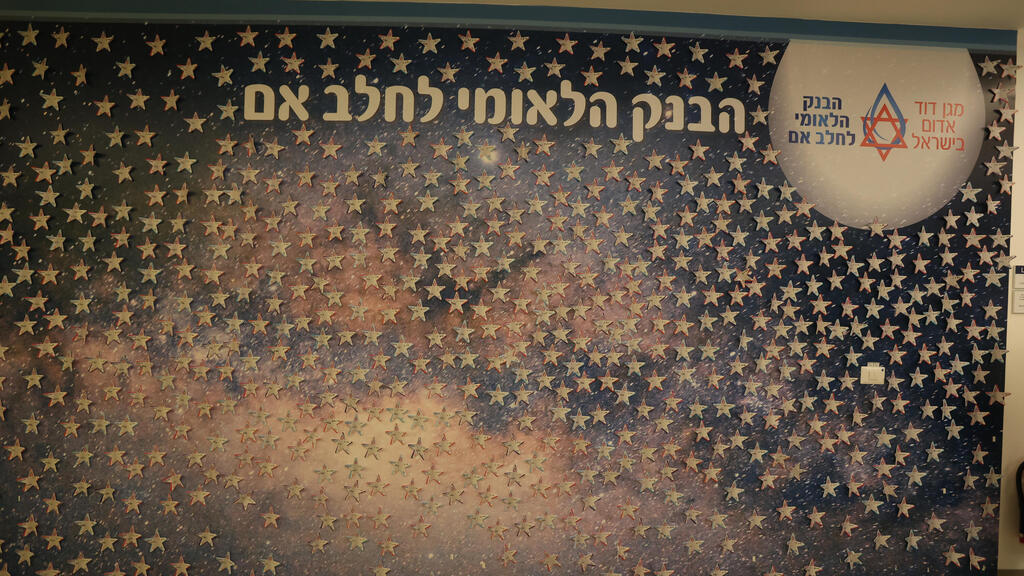
The 'Wall of Stars' at Magen David Adom’s National Breast Milk Bank
(Photo: Shaul Golan)
In nearly all cases — about 99% — recipients are premature infants born before 32 weeks, weighing less than 1.5 kilograms, or babies whose mothers cannot breastfeed for medical or other reasons.
The milk bank, operating alongside Israel’s national blood bank in Ramla, has been in place since 2019 in cooperation with the Health Ministry, aligning Israel with other developed countries in providing this critical resource to its most vulnerable infants.