


Vitamin D, magnesium, creatine, collagen, vitamin C, biotin and herbal extracts have in recent years become an almost routine part of life for millions of people. But alongside their growing popularity, experts warn that even products perceived as “natural” are not necessarily risk-free. A survey by the British consumer organization Which? found that 76% of respondents regularly take at least one dietary supplement, and nearly one-fifth take four or more supplements every day.
The BBC reported that doctors and nutritionists around the world are seeing a rise in cases of liver, kidney and digestive system damage linked to dietary supplements, especially when several supplements are taken at the same time or in high doses. Experts warn that many people take supplements under the influence of social media posts, even when they have no proven nutritional deficiency, and stress that supplements may be helpful in certain cases, but they are not a substitute for a balanced diet and medical consultation.
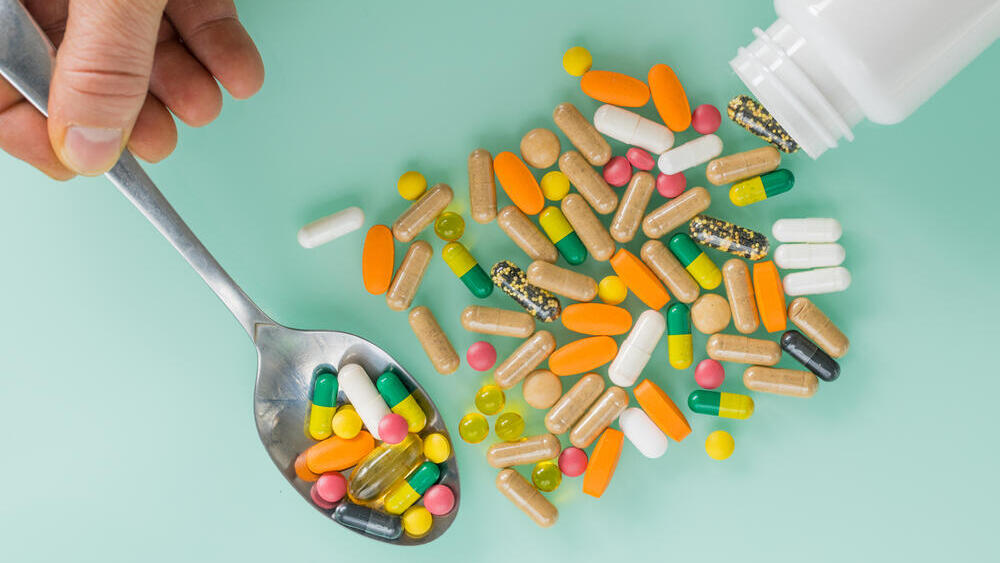
Prof. Ziv Ben Ari, director of the Center of Excellence for Liver Medicine at Assuta, notes that it is now known that dietary supplements and medicinal herbs can also cause liver damage. She says their use has expanded greatly in recent years, with some people taking them in an effort to improve their general health or cope with problems such as fatigue, back pain, joint pain, weight loss or to strengthen the immune system. “Studies published in recent years indicate that about 20% of cases of liver injury attributed to medications are actually linked to dietary supplements and medicinal herbs,” she says.
Michal Sukman, a clinical dietitian at Maccabi Healthcare Services, also stresses that dietary supplements can be an important tool for correcting nutritional deficiencies and treating certain medical conditions, but uncontrolled use may cause side effects, interactions with medications and, in some cases, damage to the liver, kidneys and digestive system. “A dietary supplement can be an effective and safe tool when it is given to the right person, at the right dose and for the right purpose,” she says. “But just as medication should not be taken without careful consideration, dietary supplements deserve the same approach: evidence-based, personalized and accompanied by professional guidance.”
 Prof. Ziv Ben Ari Photo: Gadi Sierra
Behind the promises
Sukman points to one of the largest studies in the field, published in 2015 in the New England Journal of Medicine. According to the study, in the United States alone, about 23,000 emergency room visits and 2,000 hospitalizations occur each year in connection with adverse effects from dietary supplements. The researchers found that weight-loss supplements, energy supplements and performance-enhancing products were responsible for a large share of cases among young people, while among older adults, complications related to high-dose vitamins and minerals or errors in use stood out.
According to Sukman, the findings do not necessarily show that supplements have become more dangerous, but mainly that more people are using them, often without professional guidance. “Many people start taking supplements after recommendations on social media, marketing campaigns or advice from friends, without checking whether they have a real need,” she explains.

Not every over-the-counter dietary supplement is tested as rigorously as a medication
(Photo: Shutterstock)
The greatest concern today is focused on weight-loss supplements, energy supplements, bodybuilding supplements and complex herbal blends, especially when they are purchased from unregulated sources.
‘Natural’ is not always safe
One of the most common misconceptions, Sukman emphasizes, is that “natural” means “safe.” In practice, even plant-based substances can cause harm. A study published in 2024 in JAMA Network Open examined the use of herbal supplements in the United States and found that millions of people consume supplements with the potential to cause liver injury. Among the supplements that have appeared in medical reports are high-dose green tea extract, curcumin, ashwagandha, Garcinia cambogia, red yeast rice and black cohosh.
 Michal Sukman Photo: Maccabi Healthcare Services
The LiverTox scientific database of the U.S. National Institutes of Health also documents hundreds of cases of liver injury linked to dietary supplements and medicinal herbs. Substances associated with liver damage, mainly in high doses or with prolonged use, include vitamin A, glutamine, ashwagandha and green tea extract.
The kidneys are also vulnerable. According to Sukman, excessive intake of vitamin D over time may cause high calcium levels in the blood and kidney damage. High doses of certain minerals or uncontrolled consumption of protein supplements among people with existing kidney disease may also worsen their condition.
According to Prof. Ben Ari, studies examining the contents of dietary supplements and medicinal herbs have sometimes found substances that were not listed on the packaging. “Alongside vitamins, minerals and medicinal herbs, some products were also found to contain low doses of medications, such as steroids and painkillers, as well as various contaminants and toxins,” she says.
She explains that dietary supplements and medicinal herbs are not classified as medications but as food, and therefore the oversight mechanism for them is different. “Unlike medications, there is no requirement to prove their efficacy and safety through clinical trials before they are marketed, and responsibility for the product lies with the manufacturer,” she says.
The gap between marketing and scientific evidence is also reflected in some of the most popular types of supplements. A new study published in the journal Nature Microbiology raises questions about probiotic supplements, considered one of the most popular types of supplements in the world. The researchers analyzed 352 over-the-counter probiotic products sold in the U.S. and found that they contained a total of only 36 different bacterial species, with no consistency in composition among products marketed for the same health purposes. They said scientific knowledge about the connection between many of these bacteria and the promised health effects remains limited, and called for the development of more evidence-based and targeted supplements in the future.
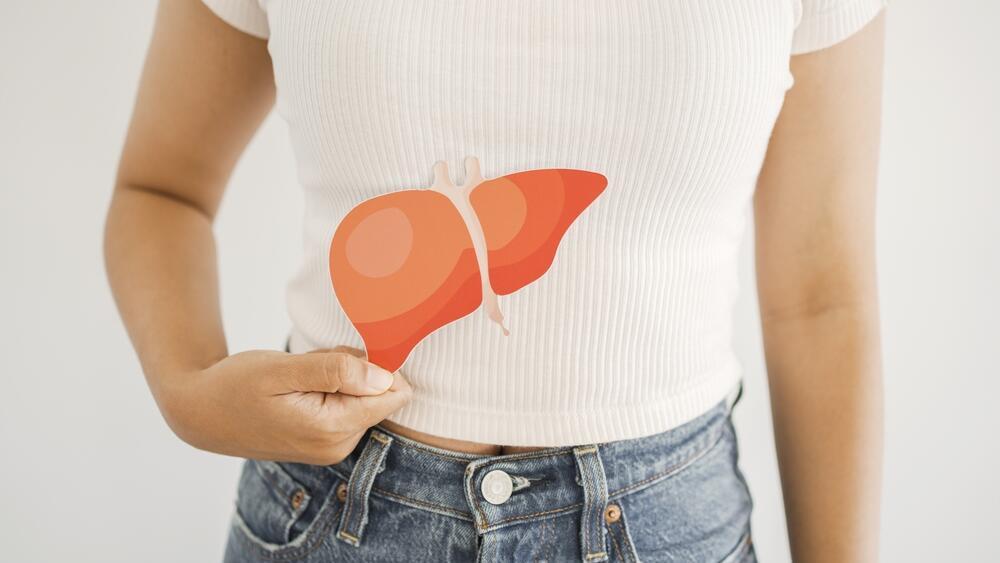
Prolonged use or high doses may lead to cumulative liver damage
(Photo: SewCreamStudio / Shutterstock)
A combination that can come at a high cost
Many people take a multivitamin, vitamin D, magnesium, omega-3 and an herbal supplement at the same time, and do not see it as a problem because each product was purchased separately. In practice, Sukman says, such a combination may lead to excessive intake of vitamins and minerals, interactions between different ingredients, strain on the liver and kidneys, cumulative side effects and interactions with medications.
For example, taking a multivitamin and a vitamin B6 supplement at the same time may lead to excessive intake of the vitamin, and in some cases even nerve damage. Combining iron, calcium and magnesium may impair the absorption of certain components. In addition, vitamins A, D, E and K are fat-soluble vitamins, meaning the body stores them over time and there is not always a need to take them daily.
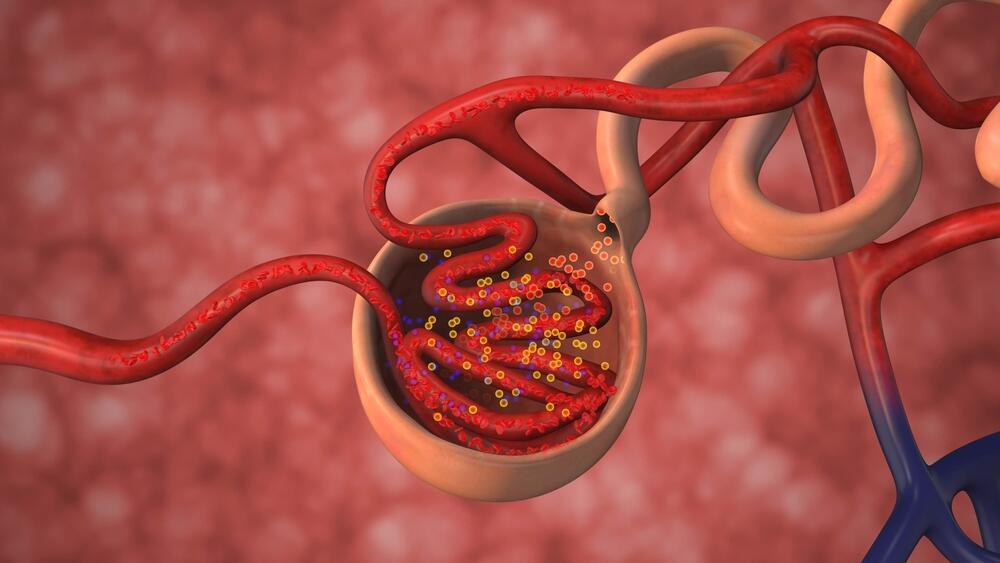
Uncontrolled use of certain supplements may place strain on the kidneys
(Photo: Shutterstock)
Combining supplements with medications can also be problematic. Sukman notes that vitamin K may affect the effectiveness of anticoagulant medications, St. John’s wort may reduce the effectiveness of many medications, and ginkgo biloba, ginseng and garlic may increase the risk of bleeding. Iron, calcium and magnesium may impair the absorption of certain medications. That is why, she stresses, it is important to report dietary supplements to a doctor, not only prescription medications.
When is a supplement really needed?
Despite the warnings, Sukman stresses that there are situations in which dietary supplements are an important medical tool. There is medical justification when a deficiency is confirmed by blood tests, during pregnancy or when planning a pregnancy, in restrictive diets such as veganism or avoidance of certain food groups, in diseases that impair the absorption of nutrients, during drug treatment that affects their absorption, after gastrointestinal surgery or when there is a medical recommendation based on a specific health condition.
In cases such as anemia or iron deficiency, she emphasizes, it is important to investigate the cause of the deficiency before correcting it. During pregnancy and while planning a pregnancy, the body’s needs change, and folic acid, for example, is recommended in the early stages of pregnancy planning. Metformin, a common diabetes medication, may also reduce the absorption of vitamin B12. After gastrointestinal surgery, it is important to consult a dietitian and continue follow-up over the years.
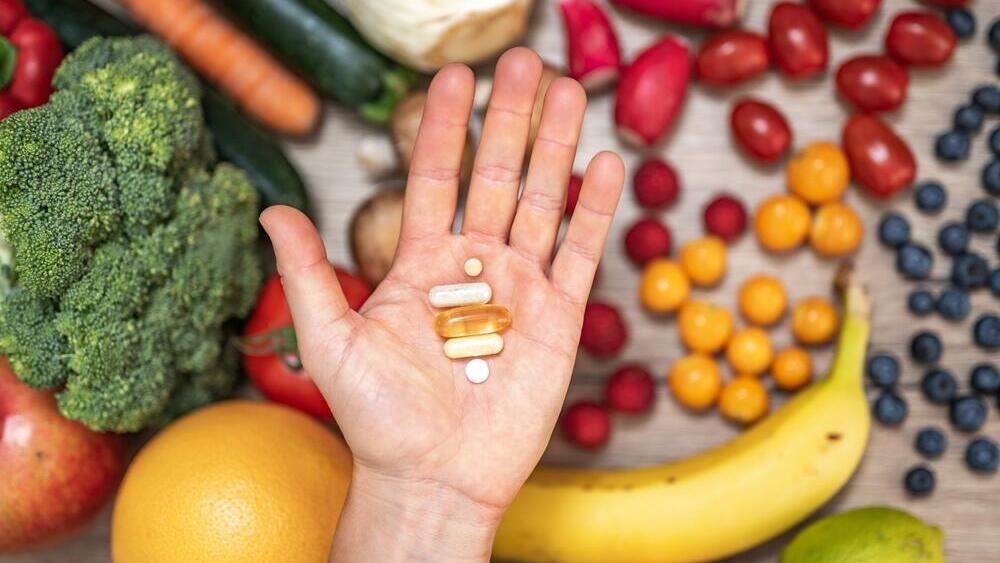
Experts recommend avoiding supplements without a clear medical or nutritional need
(Photo: Shutterstock)
Special caution is needed among older adults who take several medications, pregnant or breastfeeding women, children and teenagers, people with liver or kidney disease, patients with cardiovascular disease, people with diabetes and patients after bariatric surgery.
Anyone who takes dietary supplements regularly should see a doctor if they experience unusual fatigue, prolonged nausea or vomiting, unexplained abdominal pain, dark urine, jaundice, a significant decrease in appetite, abnormal heart palpitations, dizziness or extreme weakness.
Blood tests instead of marketing promises
According to Sukman, blood tests are one of the most important tools for tailoring supplements personally. “Instead of choosing a supplement based on an advertisement or a recommendation on social media, it is possible to check whether there is a real deficiency in iron, vitamin B12, vitamin D, folic acid or other components,” she says.
Among healthy people without nutritional deficiencies, the evidence for the benefits of dietary supplements is more limited than many tend to think. A review by the U.S. Preventive Services Task Force, published in 2022 in JAMA, found that for most of the healthy population, there is insufficient evidence that vitamin and mineral supplements reduce the risk of heart disease, cancer or overall mortality. The researchers even recommended avoiding beta-carotene and vitamin E for the prevention of chronic diseases, due to a lack of benefit and concern about harm in some populations.
“Before starting to take a dietary supplement or medicinal herb, it is important to carefully weigh the benefit against the risk and the real need for using it,” Prof. Ben Ari concludes. “It is recommended to consult a family physician or dietitian before beginning use, and to avoid exceeding the recommended dose.”
Sukman’s message is simple: Before starting a new supplement, and over time as well, three questions should be asked: Is there a proven need for the supplement, could it interfere with medications or existing medical conditions, and is the dose appropriate? The answers, she stresses, are far more important than the promises on the package.