

A large study based on sleep data collected via mobile applications from nearly 80,000 workers in Japan found a significant link between poor sleep patterns and reduced performance at work.
A research team led by Masashi Yanagisawa, director of the International Institute for Integrative Sleep Medicine at the University of Tsukuba, analyzed sleep data from about 80,000 Japanese users of the mobile game “Pokémon Sleep” over roughly 2.1 million nights, TechNews Science reported.
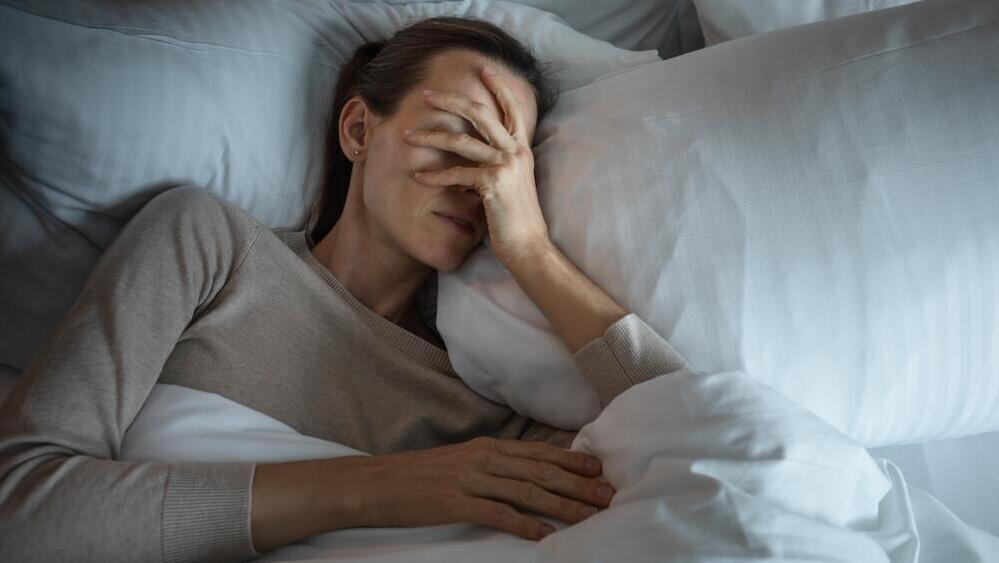
'Sleep regularity is no less important than sleep duration and quality'
(Photo: Shutterstock)
By linking sleep and wake times recorded by the game’s sensors with workplace performance surveys completed on the same phones, researchers were able to track how rest habits affected productivity.
The study found that people whose sleep schedules differed markedly between weekdays and weekends, a pattern known as “social jet lag,” showed lower work efficiency. Both short sleepers and long sleepers also recorded reduced performance, revealing a U-shaped relationship between sleep duration and productivity. Users who had difficulty falling asleep or who woke frequently during the night also scored lower in performance surveys.
An artificial intelligence-based analysis classified participants into five sleep types: healthy sleep, long sleep, fragmented sleep, insomnia-prone sleep and social jet lag. Productivity declined most sharply in the social jet lag and insomnia-prone groups, and the study found no significant differences between men and women.
The research team estimated that irregular sleep costs Japan about 1 trillion yen annually, roughly 19.9 billion shekels. The social jet lag group alone accounted for about 136,000 yen, or roughly 2,700 shekels, per person compared with the healthy sleep group.
“Sleep regularity is no less important than sleep duration and quality,” Yanagisawa said. “We recommend adding just about 30 minutes of rest each day and keeping the midpoint of sleep consistent between weekdays and weekends to maintain productivity.”
News18 explained that social jet lag occurs when the body’s natural biological clock clashes with early weekday obligations, causing many teenagers and young adults to sleep much longer on days off. These repeated shifts confuse the brain and body, similar to frequent travel across time zones, and can strain multiple systems over time.