

With the start of the new school year, it is important to remember that the digital world is now inseparable from the daily lives of children and teenagers. Recently, troubling phenomena have surfaced on social media, with Instagram and TikTok accounts posting humiliating and harmful content disguised as “challenges” aimed at teens.
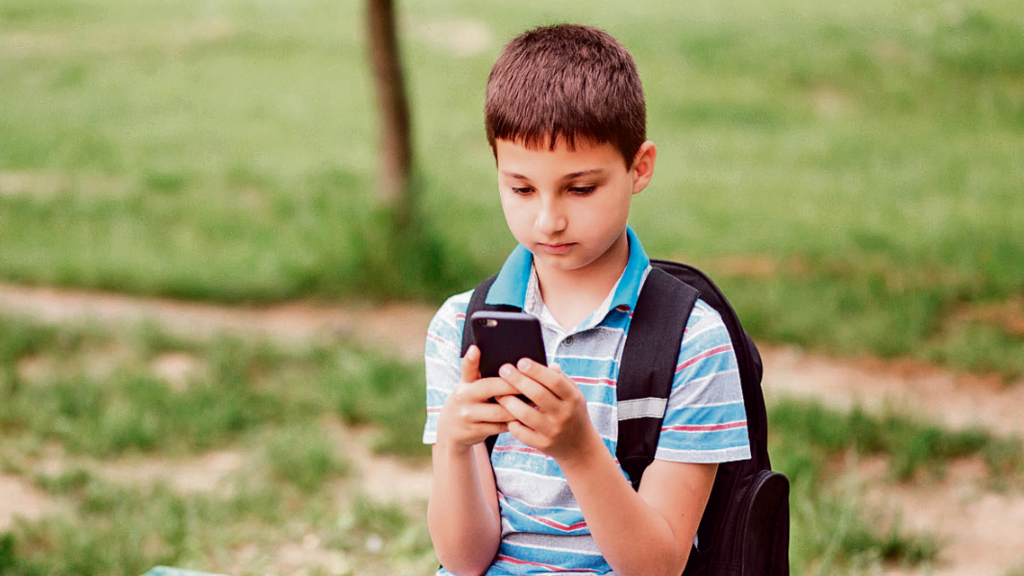
These accounts, often run by young people, circulate degrading messages, insults, threats, and sexually explicit images or videos—sometimes real, sometimes fake, created with technology. Some are crude, others expose the personal details of girls and boys. All of this creates a foundation for bullying, intimidation, and humiliation online.
What parents should do
To address this reality, parents must remain alert and attentive. Watch for changes in behavior, private conversations, or unusual withdrawal, and make sure your child feels they can turn to you without fear or judgment. Parents should also learn to use the available digital protection tools: reporting abusive content, setting privacy controls, and monitoring online activity. This approach not only helps respond to crises but can also prevent harm in advance.
Signs of cyberbullying or shaming
If you suspect your child is being targeted online, there are important warning signs to look out for:
• Shifts in mood such as sadness, anger, anxiety, or distress—especially during or after using a smartphone or the internet.
• Changes in daily activity patterns, particularly avoidance: skipping school, avoiding social encounters, not leaving the house, refusing to use the computer, withdrawing from family conversations, ignoring parents’ questions, or abandoning hobbies they once enjoyed.

Sivan Sharon
(Photo: Or Prevoznik)
• Altered sleep or appetite, declining academic performance, or new concentration difficulties—all of which may indicate distress.
How to respond
• Learn about safe use of social networks and talk openly with your children about their online activities. Listen without judging, even if you disagree. Let them know: “You’re not alone. I’m here with you. Let’s face this together.”
• Enter the digital world yourselves: seek out information on ethics and responsibility online, particularly about cyberbullying and shaming. Set clear boundaries and monitor your children’s activity.
• Tell them openly that you will supervise their online use and will not tolerate bullying—whether from them or their peers. Establish clear rules, and make sure they understand both the expectations and the consequences.
• Check your child’s school policy on cyberbullying. Does the school have a formal response protocol? Does it run educational programs on the issue?
Building safe habits
Create with your child a checklist for safe browsing. Examples: never publish personal information (full name, phone number, address, school name, parents’ names, ID numbers, birthdates, or passwords). Explain the risks of spreading offensive content: forwarding such material is itself an act of bullying. Teach them the idea of “a quick hand on the keyboard”—that online people often act impulsively and say things they would never say face-to-face.

No bullying!
(Photo: shutterstock)
Encourage them to treat others online with the same courtesy they would in person. If they wouldn’t say something to someone face-to-face, they should refrain from writing it online. Remind them that online bullying often spills into real-life bullying. Children must learn to see their peers through the screen as they would in real life.
Tools and parental involvement
Giving teens smartphones also means giving them rules for responsible use. Install parental monitoring, filtering, and control software to reduce exposure to harmful content and track browsing activity. Keep the family computer in a shared space rather than private bedrooms. Set reasonable time limits for internet and phone use.
Drop into your child’s room occasionally, glance over their shoulder, and pay attention if they seem defensive, embarrassed, or anxious. Trust your instincts if something feels wrong.
Above all, talk regularly with your child about their online life—just as you would about their offline life. Ask who they interact with online, whether anyone makes them uncomfortable, and what kinds of conversations they’re having. Show the same interest in their digital world that you show in the rest of their life.
- Sivan Sharon manages the Sahar Online Mental Support program